Best Kitchen Design Ideas in China for Global Buyers?
The kitchen design trends in China are capturing global attention. As reports from the China National Housing and Urban-Rural Development Research Center indicate, the kitchen renovation market is projected to grow steadily, reaching approximately USD 35 billion by 2025. This significant growth highlights the increasing investment in kitchen spaces, making them a focal point for both aesthetics and functionality.
Affluent buyers are particularly interested in modern kitchen designs that offer innovative storage solutions and smart technology integration. Notably, 70% of homeowners are opting for open kitchen concepts, allowing seamless interaction with living spaces. However, there are challenges, such as limited space in urban areas, which can complicate design efforts. This situation calls for thoughtful planning and ingenuity in maximizing every inch.
Moreover, traditional Chinese elements are blending with contemporary designs, creating unique hybrid styles. This reflects the global influence on local trends, yet it requires careful consideration. Balancing modern functionality with cultural heritage can be tricky for designers. The journey of crafting a perfect kitchen design must evolve with changing lifestyles and preferences, ensuring that kitchens remain vibrant spaces for cooking, gathering, and enjoying life.
Trends in Modern Kitchen Designs Influencing Global Buyers
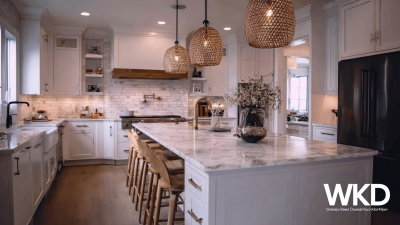
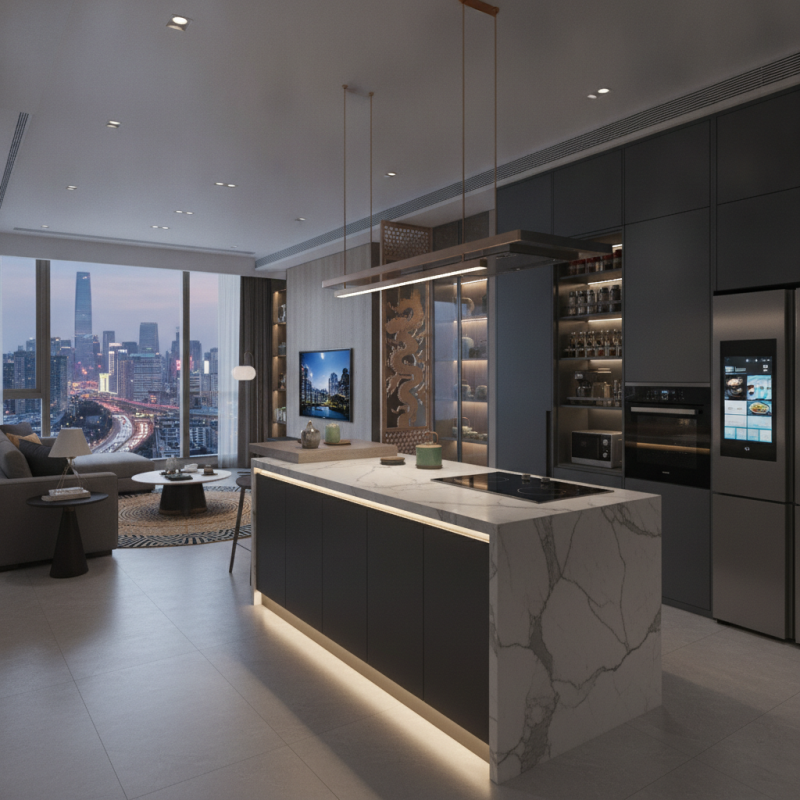
Modern kitchen designs in China are setting new trends that attract global buyers. These designs emphasize a blend of functionality and aesthetics. Open floor plans are becoming popular. They create a sense of space and encourage interaction. Large islands serve both cooking and dining purposes, making them multifunctional.
Another trend is the use of sustainable materials. Bamboo and reclaimed wood add to the eco-friendly appeal. This choice reflects a growing awareness of environmental issues. Bright colors and innovative lighting also play a crucial role. They can transform a kitchen into a vibrant space.
However, not every design succeeds. Some ideas may look appealing but lack practicality. For example, overly elaborate designs can hinder daily use. It's vital to strike a balance between style and function. Global buyers must consider these aspects carefully when choosing a kitchen design style from China.
Traditional Chinese Kitchen Elements and Their Global Appeal
The traditional Chinese kitchen is a blend of functionality and aesthetics. It often features elements like open flames, intricate woodwork, and vibrant colors. These characteristics not only reflect Chinese culture but also have captured the interest of global buyers. A distinguishing feature is the wok, a versatile tool celebrated for its adaptability in various cooking styles.
Many kitchens incorporate Feng Shui principles. This design philosophy focuses on harmony and balance. Elements such as a clutter-free counter and strategic placement of tools can positively influence a cook's experience. However, some buyers may find adapting these principles challenging. They may inadvertently disrupt the intended flow and energy.
Open shelving is another popular aspect. While it offers a rustic charm, it can present practical difficulties. Dust accumulation may require more frequent cleaning. Additionally, organizing utensils can become overwhelming. Despite this, the visual appeal and ease of access to ingredients often outweigh these downsides, making traditional Chinese kitchens an appealing choice for those seeking a unique culinary environment.
Best Kitchen Design Ideas in China for Global Buyers
| Design Element |
Description |
Cultural Significance |
Global Appeal |
| Wooden Cabinets |
Crafted from natural wood, offering a warm and inviting atmosphere. |
Symbol of tradition and longevity in Chinese culture. |
Appealing due to the rising popularity of natural materials in modern kitchens worldwide. |
| Chinese-Style Tiles |
Vibrant colors and intricate patterns that add character. |
Reflects artistic heritage, often used in temples and traditional homes. |
Increasingly popular for adding unique flair in eclectic global kitchen designs. |
| Open Layouts |
Spaces designed for interaction and communal cooking. |
Promotes family togetherness, a central value in Chinese culture. |
Highly sought after in modern homes for fostering social interactions. |
| Traditional Stove |
Often a centerpiece, used for authentic cooking methods. |
Represents the heart of the home, where meals are prepared with care. |
Gaining interest globally among culinary enthusiasts seeking traditional cooking techniques. |
| Bamboo Elements |
Use of bamboo in shelves and fixtures adds a natural touch. |
Symbolizes flexibility and strength, favored in sustainable design. |
Highly appreciated in eco-friendly design trends worldwide. |
Innovative Materials and Technologies in Chinese Kitchens
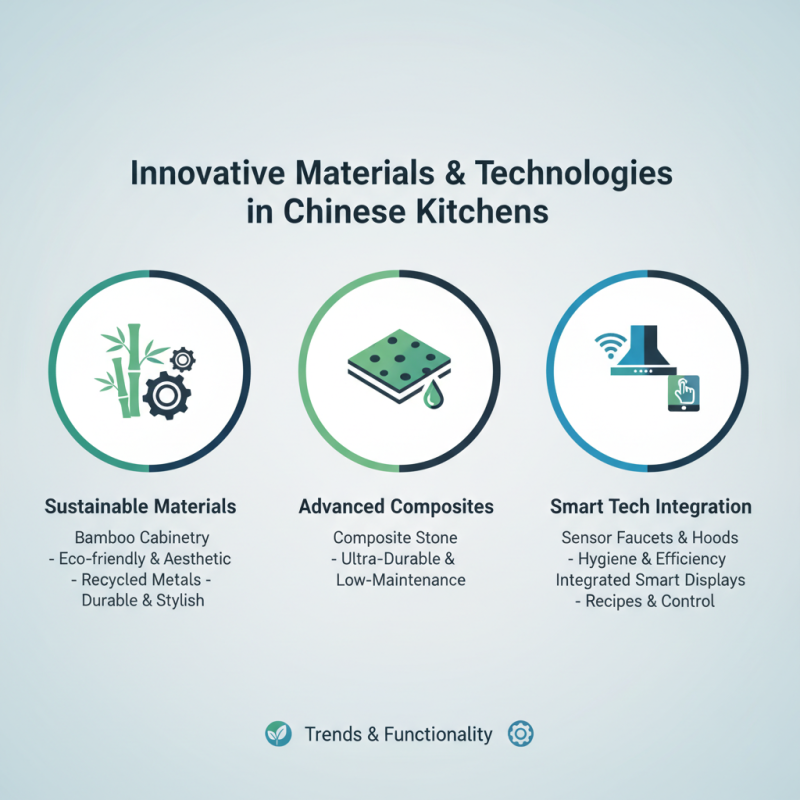
Modern kitchens in China are embracing innovative materials and technologies that reflect trends and functionality. Sustainable materials are gaining popularity. For example, bamboo and recycled metals are often used in cabinetry. These choices are environmentally friendly and enhance aesthetics. Additionally, composite stones offer durability and easy maintenance.
Smart technology is transforming kitchen designs. Touchless faucets and energy-efficient appliances are common features. Many kitchens now include smart home integrations. These technologies improve usability and save time. However, not all designs incorporate these advancements, leading to uneven quality.
Despite these innovations, some kitchens suffer from poor layout. A stylish kitchen can still be impractical if it lacks efficient workflow. When designing, it’s vital to balance aesthetics with functionality. Prospective buyers should carefully evaluate these aspects when selecting kitchens. This reflection can lead to a more satisfying kitchen experience.
Color Schemes and Aesthetics: Blending Tradition with Modernity
In China, kitchen design seamlessly blends traditional elements with modern aesthetics. Rich colors often inspire designs. Shades like deep red and jade green echo China's cultural heritage. These hues create warmth and invite conversation. When combined with sleek countertops and stainless steel appliances, they form an intriguing contrast.
The use of textures plays a vital role too. Wooden cabinets provide a rustic charm. Meanwhile, minimalist features promote cleanliness and functionality. However, striking the right balance between tradition and modernity can be challenging. Sometimes, the integration may feel forced or disconnected. Experimentation is key.
Lighting also deserves attention. Dim lighting can enhance warmth, while bright lights improve visibility for cooking. Incorporating natural light brings the outdoors in. But the placement of windows can sometimes disrupt layout flow. Finding the right configuration often requires thoughtful planning. Each choice reflects a deeper intention—creating a space that feels both homey and contemporary.
Color Schemes and Aesthetics in Kitchen Design in China
Sustainable Kitchen Solutions Gaining Popularity Among Global Consumers
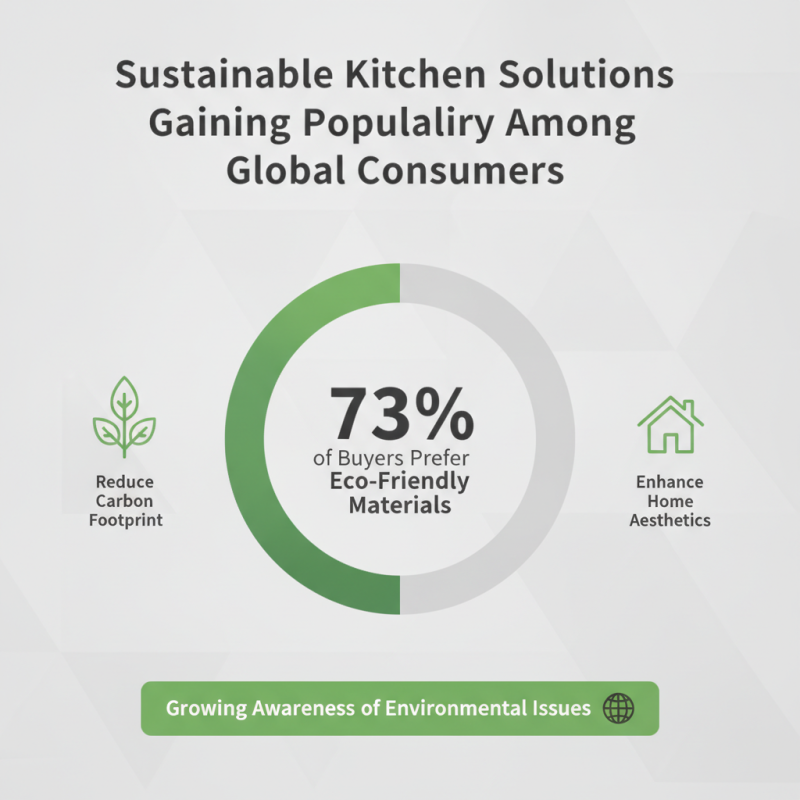
Sustainable kitchen solutions are increasingly popular among global consumers. Reports indicate that 73% of buyers prefer eco-friendly materials for kitchen design. This demand reflects a growing awareness of environmental issues. Homeowners are seeking ways to reduce their carbon footprint while enhancing their home's aesthetics.
One effective tip for a sustainable kitchen is choosing energy-efficient appliances. These appliances cut down on energy consumption, reducing utility bills. Additionally, using reclaimed or recycled materials can add character to kitchens. Whether it’s reclaimed wood or recycled glass, these choices make a statement about sustainability.
Another aspect to consider is water conservation. Installing low-flow faucets and fixtures can lead to significant savings. Statistics show that these fixtures can reduce water usage by up to 30%. However, not all homeowners are aware of the practical benefits of such upgrades. Reflecting on the long-term impacts of our choices is essential in creating a truly sustainable space. As global interest in eco-friendly designs grows, the kitchen continues to evolve as a hub for innovation and responsibility.