Leave Your Message

10 Best Personal Space Solutions for Global Buyers?

For global buyers, Personal Space is no longer a luxury reserved for private offices. It affects concentration, comfort, privacy, and everyday wellbeing. In open-plan workplaces, shared homes, hotels, clinics, and learning spaces, the right solution can change how people work and rest.

Environmental psychologist Robert Sommer wrote, “Personal space refers to an area with invisible boundaries surrounding a person’s body into which intruders may not come.” His research remains a useful foundation for evaluating modern privacy products. Buyers should look beyond attractive photographs. Acoustic performance, material safety, ventilation, cleanability, installation requirements, accessibility, and after-sales support all matter.

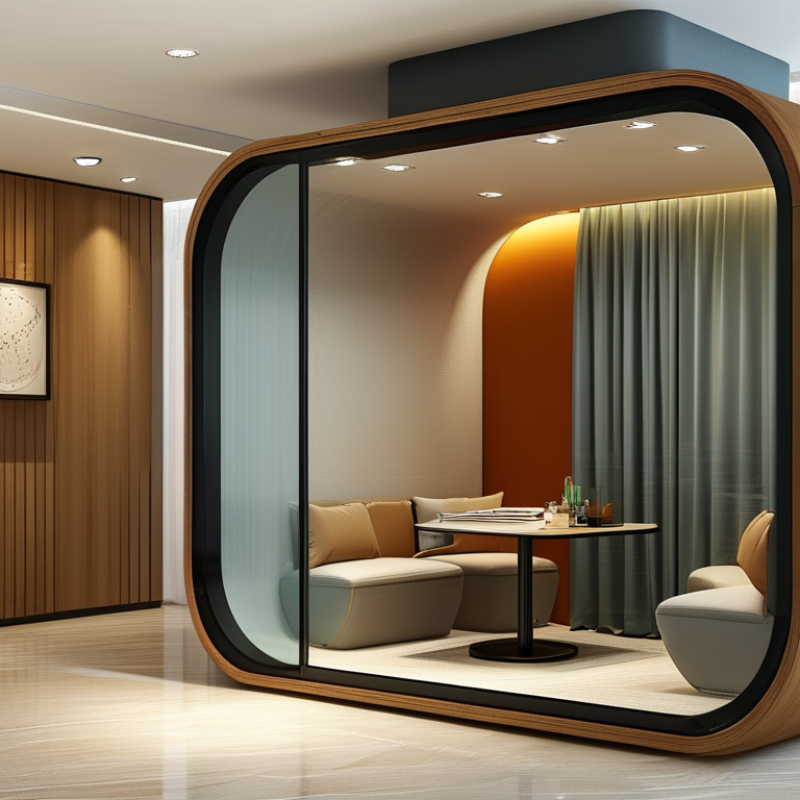
This guide explores ten practical Personal Space solutions for international buyers. Options may include acoustic pods, modular privacy booths, movable partitions, desk screens, privacy curtains, compact phone booths, and flexible room dividers. Each serves a different need. A solo worker may need sound reduction, while a healthcare facility may prioritize hygiene and easy maintenance.

Details matter.

A well-designed pod should not feel like a sealed box. A partition should provide privacy without blocking natural light. A curtain may be affordable, but it cannot replace verified acoustic insulation. Some products also perform differently in humid, cold, or heavily used environments.

No solution fits every market. That is the honest limitation. Buyers should compare certified specifications, test samples, warranty terms, spare-part availability, and local installation support before making a decision. This overview offers a practical starting point, while encouraging careful review of real-world performance.
10 Best Personal Space Solutions for Global Buyers?

What Personal Space Solutions Are and Why Global Buyers Need Them

10 Best Personal Space Solutions for Global Buyers?

Personal space solutions create private, comfortable areas inside shared environments. They include acoustic booths, privacy screens, movable partitions, compact workstations, and flexible room dividers. These tools help people focus without requiring permanent construction. A small screened desk can separate a video call from a busy office. A soft acoustic panel may reduce nearby conversations and keyboard noise.

Global buyers need these solutions because workplaces, homes, schools, and public facilities serve different users. A product suitable for a quiet office may fail in a crowded warehouse. Buyers must consider local space limits, climate, maintenance skills, delivery routes, and electrical requirements. Safety documentation, material quality, accessibility, and installation instructions also matter. From practical procurement reviews, the best results usually come from measuring the actual space first. It sounds obvious, but it is often missed. No single solution works everywhere.

Tips: Measure doorways, elevators, and floor areas before ordering. Request material samples and test sound control in a similar room. Check cleaning needs, replacement parts, warranty terms, and regional compliance documents. Ask suppliers for clear packing dimensions. A cheaper unit can become expensive after difficult shipping or installation. Leave room for user feedback, because the first layout may need changes.
10 Best Personal Space Solutions for Global Buyers

What Personal Space Solutions Are and Why Global Buyers Need Them

Personal space solutions include partitions, privacy screens, acoustic panels, modular booths, queue barriers, and flexible room dividers. The chart uses commonly cited proxemic distance zones to help global buyers evaluate privacy, comfort, and layout requirements across offices, healthcare facilities, hospitality venues, education spaces, and public environments. Distances can vary by culture, context, and individual preference.

Reference: Edward T. Hall, The Hidden Dimension (1966). Distances are presented in metres and represent commonly cited zone boundaries.

Key Types of Personal Space Solutions for Homes, Offices, and Travel

Personal Space Solutions for Global Buyers

Homes need flexible boundaries, not bulky walls. The UN projects that 68% of the world’s population will live in urban areas by 2050. This trend increases demand for folding screens, sliding partitions, acoustic curtains, and modular room dividers. In small apartments, a fabric screen can separate a bed from a work desk within seconds. Storage partitions add another useful layer. However, thin materials may block sightlines without reducing noise effectively. That detail is easy to miss.

Offices require privacy without destroying collaboration. Enclosed focus pods, acoustic panels, height-adjustable desk screens, and bookcase dividers support calls, concentrated work, and informal meetings. The Leesman Index workplace research consistently identifies noise and privacy as important parts of employee experience. Buyers should check sound absorption ratings, ventilation, fire performance, cleaning needs, and installation time. A visually attractive divider can still fail during a busy video meeting.

Travel solutions must be lighter and faster. Portable privacy tents, compact curtains, eye masks, and inflatable foot supports suit hotel rooms, airports, and shared accommodation. The World Health Organization links healthy housing with adequate privacy, safety, and comfort. For frequent travelers, washable fabrics and tool-free assembly matter more than decorative finishes. Some products promise complete isolation. They cannot deliver that in a crowded terminal. Good selection depends on destination, available floor space, climate, and the user’s real tolerance for noise.

10 Best Personal Space Solutions for Global Buyers? - Key Types of Personal Space Solutions for Homes, Offices, and Travel

No. Personal Space Solution Primary Setting Typical Size Main Materials Privacy Level Portability Best Use Typical Buyer Considerations
1 Folding Privacy Screen Homes, offices, clinics, studios Usually 150–180 cm high and 120–240 cm wide Fabric, wood, plastic, or lightweight metal frames Medium to high visual privacy Medium; folds for storage Separating sleeping, changing, or work areas Panel stability, fire performance, washable coverings, and packed dimensions
2 Desk Privacy Divider Open-plan offices and home workstations Typically 30–60 cm above the desktop; 60–180 cm wide PET felt, acoustic fabric, acrylic, glass, or laminate Low to medium visual privacy High; usually lightweight and removable Reducing visual distractions and defining a desk boundary Clamp compatibility, edge protection, cleanability, and acoustic performance
3 Acoustic Work Booth Offices, libraries, coworking spaces Commonly 1–4 m² floor area and 2–2.4 m high Acoustic panels, laminated boards, glass, steel, and ventilation components High visual and moderate acoustic privacy Low; requires assembly or professional relocation Video calls, focused work, and confidential conversations Ventilation, lighting, accessibility, indoor air quality, and electrical requirements
4 Sliding or Retractable Room Screen Homes, healthcare areas, hotels, and offices Usually 180–250 cm high; coverage varies by track length Textile, PVC-coated fabric, aluminum, or ceiling-track systems Medium to high visual privacy Low after installation Creating flexible rooms without permanent walls Track strength, ceiling structure, fabric opacity, maintenance, and installation labor
5 Privacy Curtain System Bedrooms, dormitories, dressing areas, and medical spaces Commonly 200–300 cm drop with custom widths Polyester, cotton blends, coated textiles, and metal or plastic rails Medium visual privacy Medium to high, depending on the rail system Fast, space-efficient separation of shared rooms Opacity, laundering instructions, moisture resistance, rail mounting, and local fire codes
6 Pop-Up Privacy Tent Travel, camping, beaches, events, and temporary changing areas Usually 100–150 cm wide and 190–240 cm high Polyester or nylon fabric, fiberglass or steel poles High visual privacy High; commonly packs into a carry bag Changing clothes, showering, or using a portable toilet Packed size, setup time, ventilation, waterproofing, anchoring, and resistance to wind
7 Portable Workstation Canopy Home offices, classrooms, libraries, and shared workspaces Designed to fit a standard desk; often 80–140 cm wide Felt, foam-backed fabric, cardboard composite, or lightweight plastic Medium visual and acoustic distraction reduction High; typically folds or separates into panels Concentration, online learning, and reducing screen glare Desk compatibility, ventilation, heat management, cable access, and storage footprint
8 Portable Privacy Cubicle Exhibitions, testing rooms, offices, and temporary facilities Commonly 1–2.5 m² floor area and 190–230 cm high Fabric panels, tubular steel, aluminum, and weighted bases High visual privacy Medium; designed for repeated assembly Temporary interviews, health checks, changing, and confidential tasks Tool-free assembly, ballast requirements, fabric cleaning, storage bags, and replacement parts
9 Bed Privacy Canopy Bedrooms, dormitories, shelters, and shared accommodations Usually sized for a single or double bed; approximately 90–180 cm wide Polyester mesh, blackout fabric, fiberglass, or flexible plastic frames Medium to high visual privacy High; many models fold for travel Sleeping privacy, light control, and personal space in shared rooms Bed dimensions, airflow, heat retention, entry access, washing, and frame safety
10 Travel Privacy Partition Airports, trains, hotels, hostels, and shared vehicles Typically 60–120 cm wide and 40–150 cm high Polyester, nylon, foam, elastic straps, and lightweight plastic Low to medium visual privacy Very high; designed for luggage or hand-carry use Blocking nearby views while resting, changing, or working during travel Weight, folded dimensions, attachment method, tear resistance, and compatibility with seats or luggage

Note: Dimensions and performance levels are typical ranges for commonly available product categories. Actual specifications vary by design, material, installation method, and applicable local safety requirements.

How to Compare Materials, Features, Sizes, and Privacy Levels

10 Best Personal Space Solutions for Global Buyers?

When comparing personal space solutions, begin with the material, not the appearance. Recycled PET felt can reduce echo and feels warm to touch. Laminated panels offer stronger visual privacy but may sound hollow inside. Powder-coated metal is durable, though it can make a room feel colder. Check cleanability, odor, moisture resistance, and documented fire performance before ordering. Material claims should come from test reports, not attractive product language.

Features must match the user’s daily routine. A quiet booth needs balanced ventilation, comfortable lighting, and reachable power access. Casters help in changing offices, while fixed systems usually feel more stable. Measure doorways, elevators, desk clearance, and floor loading carefully. A compact unit may fit a small apartment but restrict movement for taller users. Accessibility requirements also differ across regions, so local review remains essential.

Privacy is not one simple number. Visual screening, speech reduction, and personal comfort can vary widely. Test a sample in a busy room, if possible. Listen near the entrance, then sit inside for ten minutes. That small test often reveals more than a specification sheet. I have seen well-finished units feel uncomfortable because the seat was too shallow. That is an easy mistake. Buyers should compare internal dimensions, warranty terms, replacement parts, packaging strength, and installation support before choosing a size or privacy level.

Regional Buying Factors: Safety Standards, Costs, and Shipping Requirements

For global buyers, personal space solutions must fit local safety rules, budgets, and delivery realities. A privacy booth that works in one market may fail another market’s fire, ventilation, or accessibility checks. In Europe, buyers may review EN 13501-1 fire classifications and relevant product safety requirements. Acoustic claims should also reference test methods such as ISO 717. Certificates matter, but they do not replace local verification.

Costs can change sharply after purchase. The factory price is only one part. Import duties, value-added tax, installation labor, replacement panels, and warehouse handling can raise the landed cost. The World Bank’s Logistics Performance Index 2023 examined 139 economies and reported an average journey of 44 days from port entry to final destination. Delays can damage sales plans. Small details matter. Measure doors, lifts, and loading docks before ordering.

Shipping design deserves equal attention. UNCTAD’s Review of Maritime Transport reports that ships carry over 80% of global merchandise trade by volume. Flat-pack structures may reduce freight space, but they can increase assembly time and damage risk. Buyers should request carton dimensions, gross weight, moisture protection, spare-part availability, and clear Incoterms. Regional warehouses may cost more upfront, yet shorten delivery and simplify returns. My practical view is imperfect: buyers often compare unit prices too early. Total ownership cost deserves the first serious calculation.

How to Select the Best Personal Space Solution for Different Needs

Selecting a personal space solution starts with the user, not the product. The 2024 Global Workplace Survey reported that only 29% of employees viewed their workplace as fully effective. Privacy may be one missing factor, but it is not the only one.

An enclosed acoustic pod suits calls, counselling, or focused work. Movable screens work better in shared rooms needing flexible layouts. Home users may prefer compact, foldable panels with simple cleaning surfaces. Consider noise levels, session length, ventilation, lighting, accessibility, and available floor space. Do not judge privacy by appearance alone. A quiet booth can still feel cramped.

Tips: Map the task before comparing solutions. Measure noise, doorway width, power access, and cleaning frequency. Ask for ISO 23351-1 acoustic test results, fire documentation, ventilation details, and replacement-part availability. Check whether a 1.2-metre footprint supports posture, bag storage, and safe exit. Pilot one unit for a week. That small trial exposes uncomfortable truths.

For global purchasing, logistics matter as much as privacy. Flat-pack screens reduce freight volume, while heavier enclosures may need special handling and local assembly. Compare total landed cost, not catalogue price. Include duties, installation, maintenance, acoustic performance, and disposal. I have seen buyers overvalue silence and overlook heat, glare, or difficult cleaning. Perfection is unlikely. A solution users can adjust, clean, and relocate is often more practical over time.