How to Choose the Best Base Cabinets for Your Kitchen?
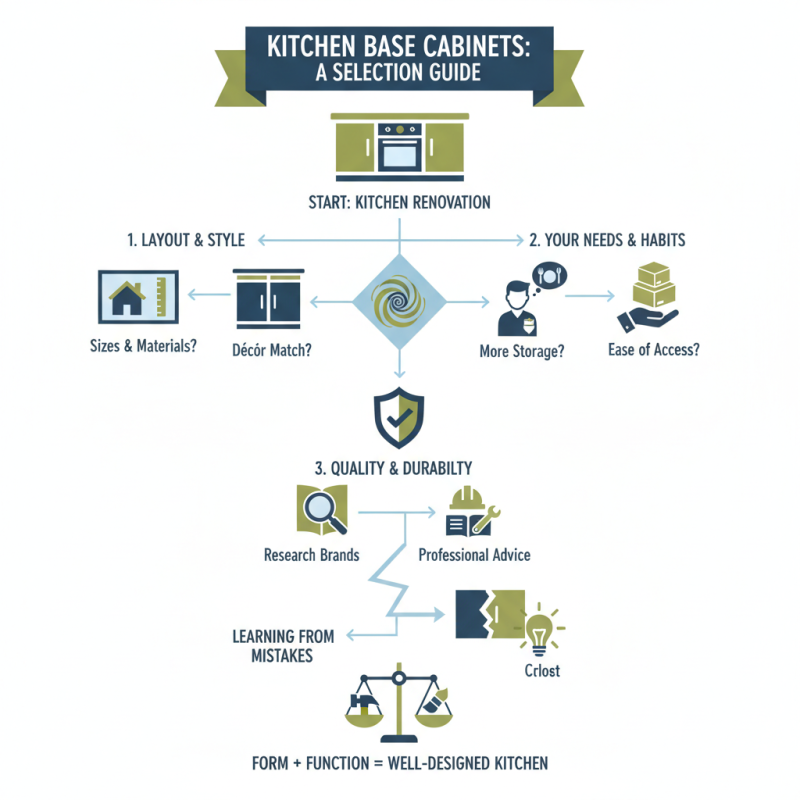
When renovating your kitchen, selecting the right base cabinets is crucial. Base cabinets form the backbone of your kitchen. They support your countertops and organize your essentials. Choosing wisely ensures functionality and aesthetics.
Consider your kitchen’s layout and style. Base cabinets come in various sizes and materials. A seamless match with your décor enhances beauty. However, not every option will fit your needs perfectly. Reflections on your daily habits can guide your choice. Do you need more storage or does ease of access matter more?
Quality is vital. Research reputable brands known for durability. Read reviews and solicit professional advice if needed. Mistakes can happen; maybe you overlooked a measurement or style clash. Learning from experiences can lead to a better decision. Prioritizing both form and function will lead to a well-designed kitchen.
Understanding the Role of Base Cabinets in Kitchen Design
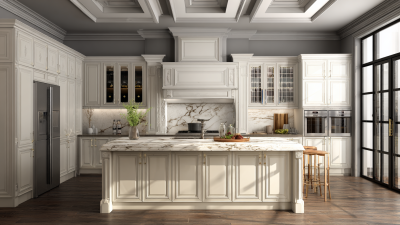
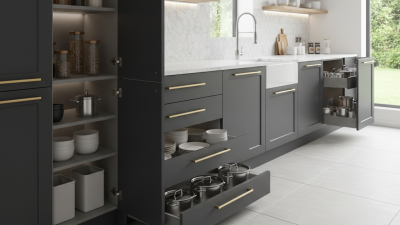
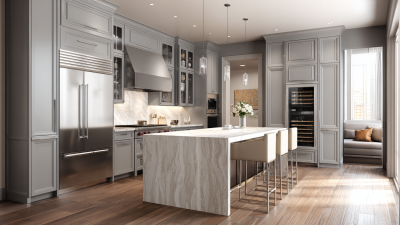
Base cabinets play a vital role in kitchen design. They provide essential storage and shape the kitchen's overall look. These cabinets support countertops and appliances, making them functional yet stylish. Understanding their importance helps in making informed decisions during your kitchen renovation.
Choosing the right base cabinets can enhance both style and practicality. Consider the material; solid wood offers durability, while plywood is more budget-friendly. Think about the finish as well. Light colors can make a small kitchen feel airy. Darker tones add warmth and drama.
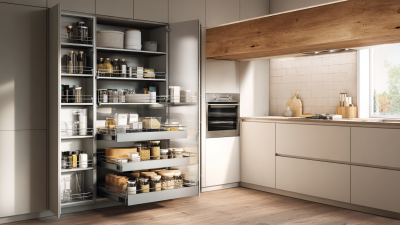
**Tip:** Measure carefully before purchasing. Ensure you account for appliances and any plumbing. Design for accessibility; pulling out drawers should be easy.
While aesthetics matter, functionality should not be overlooked. Ill-fitting cabinets may disrupt workflow. Think about how often you cook. A space-efficient design not only looks good but also works well in daily life. Careful selection means investing in your comfort and efficiency.
How to Choose the Best Base Cabinets for Your Kitchen? - Understanding the Role of Base Cabinets in Kitchen Design
| Cabinet Material |
Durability |
Cost (per linear foot) |
Maintenance |
Style Options |
| Plywood |
High |
$100 - $300 |
Low |
Versatile |
| MDF |
Medium |
$60 - $150 |
Medium |
Modern |
| Particleboard |
Low |
$40 - $100 |
High |
Basic |
| Solid Wood |
Very High |
$150 - $500 |
Low |
Classic |
Factors to Consider When Selecting Base Cabinets for Your Kitchen
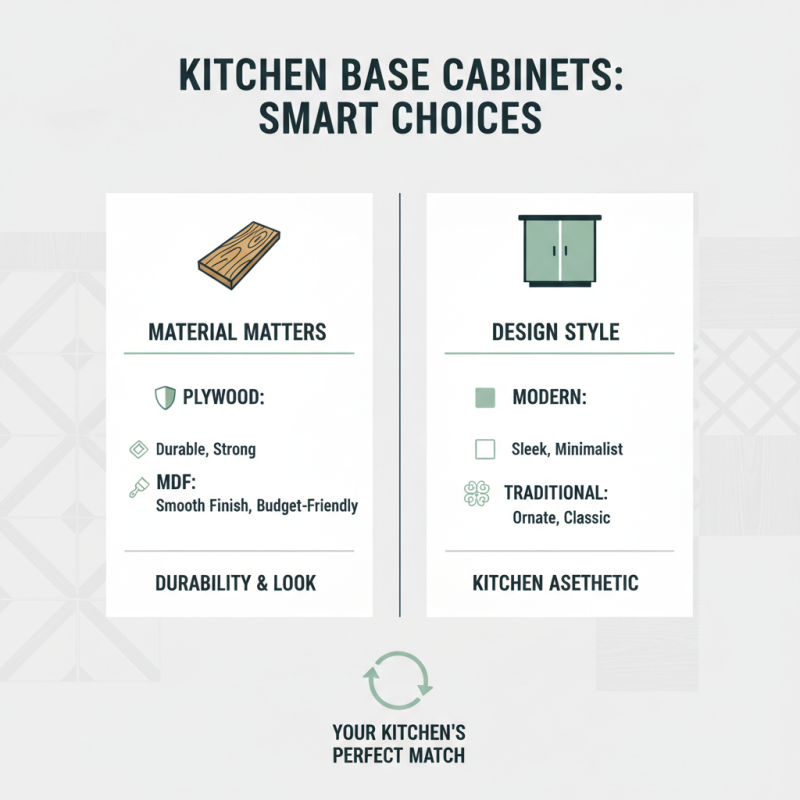
Choosing the right base cabinets for your kitchen is crucial. First, consider the material. Plywood is durable, while MDF offers a smooth finish. The choice impacts durability and aesthetics. Think about your kitchen's style. Do you prefer modern or traditional designs? This will guide your cabinet selection.
Another factor is storage. Assess your kitchen layout. Are you maximizing every inch? Deep drawers offer accessibility for pots and pans. Also, think about height. Standard cabinets may not suit everyone's needs. Tall individuals might prefer higher models. Take time to visualize how the cabinets fit in your space.
Don’t overlook your budget. Quality cabinets come at a cost. However, cheaper options may not last long. Reflect on how much you're willing to invest. Sometimes, spending a bit more upfront saves you from future replacements. Consider functionality alongside appearance. Each cabinet should serve a purpose. Balancing form and function leads to a well-designed kitchen.
Materials and Finishes: Choosing the Right Look for Your Cabinets
Choosing the right materials and finishes for kitchen base cabinets is essential.
Wood, laminate, and metal are popular options. Each offers unique benefits and drawbacks.
According to the National Kitchen and Bath Association, wood remains the preferred choice, found in 62% of kitchens.
However, its susceptibility to moisture can lead to warping.
Laminate surfaces are a practical alternative. They resist scratches and stains better than wood. They also come in various colors and patterns, enabling customization.
Yet, they might lack the warmth that natural wood provides, which can affect your kitchen's overall appeal.
Metal cabinets are durable and modern but can feel cold and industrial. They are often used in commercial spaces.
Each finish contributes to a distinct aesthetic.
Matte, glossy, and textured finishes have different maintenance requirements.
A matte finish can show fingerprints and smudges. A glossy surface may appear sleek but require more frequent cleaning.
In the end, personal style plays a crucial role. Consider the overall look and feel of your kitchen.
Weighing the pros and cons of each option helps in decision-making.
Make choices that harmonize with your lifestyle and preferences.
Evaluating Size and Layout for Optimal Cabinet Placement
When evaluating size and layout for your kitchen cabinets, consider the overall dimensions of your space. Measure the area where you plan to install the cabinets. This is crucial for maintaining functionality. A cramped kitchen can feel overwhelming. Think about how you use the space daily. Spacious layouts allow for better movement and access to essentials.
Placement is essential. Start with the most functional areas, such as near the sink and stove. Place cabinets where you’ll access dishes and utensils frequently. If your design feels off, it may disrupt workflow. Also, don’t forget about door swings and drawers. They need adequate space to open fully. This small detail often leads to regret later.
Finally, remember to adjust for your unique needs. Your family size, cooking habits, and storage requirements will impact your cabinet choice. Reflect on what works best for you. Sometimes, sticking to conventional layouts might not suit your lifestyle. Embrace creativity, but consider practical aspects too. Balancing aesthetics and functionality is vital for a successful kitchen design.
Budgeting for Base Cabinets: Cost vs. Quality Considerations
When budgeting for base cabinets, it's crucial to balance cost and quality. A recent report by the National Kitchen & Bath Association (NKBA) indicated that cabinetry typically accounts for about 30% of a kitchen remodel budget. Homeowners often find themselves choosing between low-cost options and higher-quality selections that last longer. In this scenario, spending a bit more initially can save money in the long run.
While lower-priced cabinets may seem appealing, they often lack durability and can require replacement sooner than expected. For instance, particleboard cabinets might be priced around $80 per linear foot, but high-quality plywood options can range from $150 to $250 per linear foot. Investing in sturdier materials like plywood provides better resistance to moisture and wear.
However, it's essential to evaluate your specific needs. Not every kitchen renovation calls for high-end cabinetry. Understanding your lifestyle and usage patterns can inform better decisions. For a busy family, cabinets that stand the test of time might be worth the investment. But if you are on a tight budget, consider sourcing quality used cabinets or semi-custom options, which can offer a balance of cost and quality. This approach may require a trade-off, but thoughtful planning can lead to a satisfactory compromise.