How to Choose the Best Dining Room Decor for Your Home?
Choosing the right Dining Room Decor can transform your space. A well-decorated dining area invites warmth and creativity. It is also a reflection of your personal style.
According to renowned interior designer Kelly Wearstler, "The dining room is where the magic happens; it's where we connect with others." Her words underscore the importance of thoughtful decor. The right pieces can foster conversations and create lasting memories.
When selecting Dining Room Decor, consider your lifestyle and preferences. Think about color schemes, furniture styles, and lighting. Each choice shapes the overall atmosphere. It is vital to strike a balance between aesthetics and functionality. Too much clutter can detract from the experience. Finding the perfect decor may require reflection and adjustments. Keep your vision clear while allowing room for creativity.
Understanding Your Dining Room's Style and Functionality
When considering the decor for your dining room, understanding its style and functionality is crucial. Your dining room should reflect both your personal taste and the purpose it serves. Consider how often you entertain guests or have family meals. A formal dining room might need elegant decor, while a casual space can embrace warmth and comfort.
Tips for selecting decor: Start by choosing a color palette that resonates with you. Soft colors can create an inviting atmosphere, while bold hues can energize the space. Think about the type of dining table you have; a rustic wooden table pairs well with farmhouse decor. If you have a modern glass table, sleek accessories can enhance its elegance.
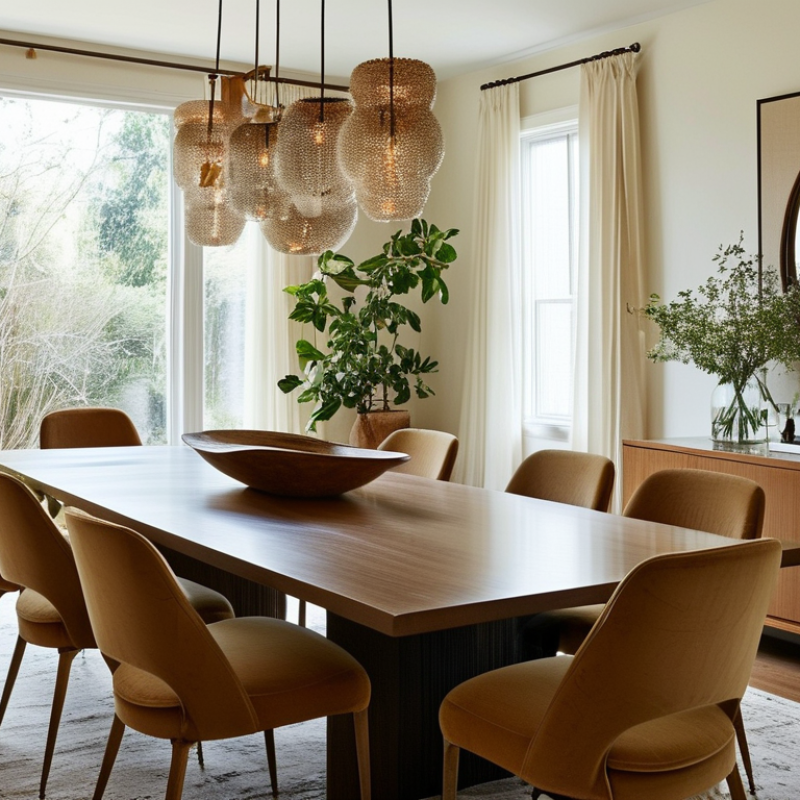
Focus on lighting too. A statement chandelier can serve as a focal point, bringing sophistication. Additionally, think about functional elements like storage. A buffet or sideboard can add style while providing practical solutions. However, remember that balance is key. Too many decorative items can crowd the space, making it feel cluttered. It’s worth reflecting on the impact of each piece you choose. Are they truly enhancing the dining experience?
Evaluating Your Budget for Dining Room Decor
When evaluating your budget for dining room decor, a clear plan is essential. According to a report by the National Kitchen and Bath Association, homeowners spend an average of $2,500 to $5,000 on dining room renovations alone. This figure can serve as a benchmark for your own spending. However, not everyone may be comfortable investing such a high amount. It’s critical to assess your financial flexibility.
Determine which items are must-haves versus nice-to-haves. For example, a quality dining table might be a high priority, while decorative accents could be lower on your list. The same report highlights that 27% of homeowners focus on furniture purchases, while only 12% prioritize artwork. This discrepancy suggests that most are willing to invest in functional decor first.
Consider setting aside around 20% of your total home decor budget for the dining area. Adjusting this based on your priorities can help maintain balance. Pay attention to trends and consumer preferences, but always reflect on your personal taste. What works for others may not suit you. Remember, the key is to blend style with functionality without overspending.
How to Choose the Best Dining Room Decor for Your Home? - Evaluating Your Budget for Dining Room Decor
| Decor Item |
Material |
Estimated Cost |
Style |
| Dining Table |
Solid Wood |
$500 - $1200 |
Traditional |
| Dining Chairs |
Upholstered |
$100 - $300 each |
Modern |
| Chandeliers |
Crystal |
$200 - $800 |
Luxury |
| Table Decor |
Ceramic |
$30 - $100 |
Contemporary |
| Wall Art |
Canvas |
$50 - $250 |
Abstract |
Choosing the Right Color Palette and Materials
Choosing the right color palette for your dining room sets the tone for the entire space. Colors like deep blues or rich greens can create a cozy atmosphere. Conversely, light pastels or whites often make rooms feel larger and more airy. Think about how you want to feel in the space. Warm colors tend to inspire energy, while cool tones promote calmness.
Materials also play a crucial role in decor. Natural materials like wood or stone can add warmth and texture to your dining area. A wooden table anchors the room, while metal accents can introduce a modern touch. Consider how these materials complement your chosen colors. A clash can make the space feel chaotic.
Balancing color and materials might be challenging. It’s easy to go overboard with bold shades or mismatched textures. Take time to reflect on your choices. Gather samples or swatches to see how they interact throughout the day. Sometimes, simpler is better. A soft color scheme paired with a few eye-catching materials can create a refined look. Aim for a cohesive blend that resonates with your personal style.
Selecting Appropriate Furniture and Layout
When selecting furniture for your dining room, consider your space carefully. The scale of each piece matters. A large table may dominate a small room, making it feel cramped. In contrast, a tiny table may look lost in a more spacious area. Measure your room before making any purchases. This ensures a functional layout.
The arrangement of the furniture can enhance both aesthetics and comfort. Aim for a layout that promotes conversation. Chairs should be placed to allow easy movement. Avoid blocking pathways. Think about the flow of the space. A round table might work well in smaller rooms, fostering a more intimate atmosphere.
Think about materials and colors. Your decor should complement your home's overall theme. Wooden furniture adds warmth, while metal can create a modern feel. Fabric choices for chairs and table covers can influence the mood. Patterns can be fun, but they may clash if not chosen wisely. Reflect on how each piece feels and looks in your space.
Incorporating Decorative Elements and Lighting Solutions
Lighting can make or break your dining room. Consider the atmosphere you want to create. Soft, warm lights often invite intimacy. Bright, cool lights might suit a more modern vibe. Chandeliers can add elegance, while pendant lights offer a rustic charm. Each choice influences the mood. Layered lighting works well. Combine ambient, task, and accent lights for depth.
Decorative elements play a crucial role, too. Think about your color palette. Earthy tones create warmth, while vibrant hues can energize the space. Add textures with tablecloths or placemats. A statement piece, like a unique centerpiece, draws the eye. Mirrors can also enhance light flow and make a room feel larger. Even small details, like stylish tableware, help.
You might struggle to find the right balance. Too much décor can feel cluttered. Conversely, too little can lack personality. Trust your instincts and reflect on your preferences. Experiment with different combinations. Observe how each change impacts the room. Be open to revisiting your choices. Your dining area should feel like home.
How to Choose the Best Dining Room Decor for Your Home?
This chart illustrates the importance of various decorative elements and lighting solutions when selecting dining room decor. The data reflects the percentage of homeowners prioritizing specific features in their dining room choices.