How to Choose the Right Sliding Doors for Your Home Design Project
In contemporary home design, sliding doors have emerged as a pivotal element that combines functionality and aesthetic appeal. According to a report by Transparency Market Research, the global sliding doors market is projected to reach USD 34.3 billion by 2025, driven by rising consumer preferences for open spaces and natural light. This trend is particularly pronounced in urban settings, where efficient use of space is paramount. Sliding doors not only enhance the flow between indoor and outdoor areas but also contribute to energy efficiency, offering substantial benefits when designed with insulated glass.
Choosing the right sliding doors for your home project involves a nuanced understanding of various factors, including material, style, and installation requirements. Research from the National Association of Home Builders indicates that over 70% of homebuyers prioritize features that enhance energy efficiency and convenience, which sliding doors inherently provide. Additionally, with advancements in technology, modern sliding doors are now available in diverse styles such as contemporary, traditional, and minimalist, catering to a wide range of design preferences. This adaptability makes them a favored choice for homeowners looking to create a seamless connection between their living spaces and the great outdoors, while also maximizing natural light and improving overall home value.
Types of Sliding Doors: Understanding the Options Available
When selecting sliding doors for your home design project, it's essential to understand the various types available, each tailored to meet different aesthetic and functional needs. The most common options include traditional sliding glass doors, pocket doors, and bi-fold doors. Traditional sliding glass doors are popular for their ability to seamlessly connect indoor and outdoor spaces, making them ideal for patios or decks.
Pocket doors, which slide into the wall, are perfect for saving space in smaller rooms, while bi-fold doors create a dramatic opening by folding back, allowing maximum light and air flow.
Tips: Consider your space's layout when choosing between these door types. For open-concept designs, bi-fold doors might enhance the flow, whereas pocket doors can efficiently divide areas without sacrificing space. Additionally, think about the material; wooden doors add warmth and character, while aluminum or vinyl may offer better durability and lower maintenance.
Another option gaining popularity is the barn door, which adds a rustic charm to interiors. These doors slide along a fixed track mounted on the wall, making them a striking focal point in a room. When selecting a barn door, ensure that the track system is sturdy enough to support the door’s weight and that the style complements your existing décor. Remember, the right sliding door can elevate your home's design while also providing practicality and efficiency.
Materials for Sliding Doors: Wood, Glass, and Metal Considerations
When selecting sliding doors for your home design project, material choice plays a crucial role in both aesthetics and functionality. Each material offers unique benefits and considerations. Wood sliding doors exude warmth and classic charm, making them a popular choice for traditional or rustic designs. According to a 2022 report by the National Wood Flooring Association, wood doors can enhance home value by as much as 10%, appealing to potential buyers who appreciate craftsmanship. However, proper maintenance is essential, as wood can be susceptible to warping and rot in humid climates.
On the other hand, glass sliding doors provide an airy, modern look that promotes natural light flow, making spaces feel larger and more inviting. The American Institute of Architects reports that homes with extensive glass features tend to sell faster and at higher prices, with a noted 15% increase in desirability among prospective buyers. When considering glass, safety and energy efficiency must be top priorities; opt for tempered or laminated glass to ensure durability and resistance to breakage. Lastly, metal sliding doors, particularly aluminum, are gaining popularity due to their strength and minimal maintenance requirements. A study by the Ledger Group found that metal doors offer superior security and longevity, especially in urban environments. Overall, understanding the properties of each material can significantly influence the success of your design project.
Design Styles: Matching Sliding Doors with Home Aesthetics
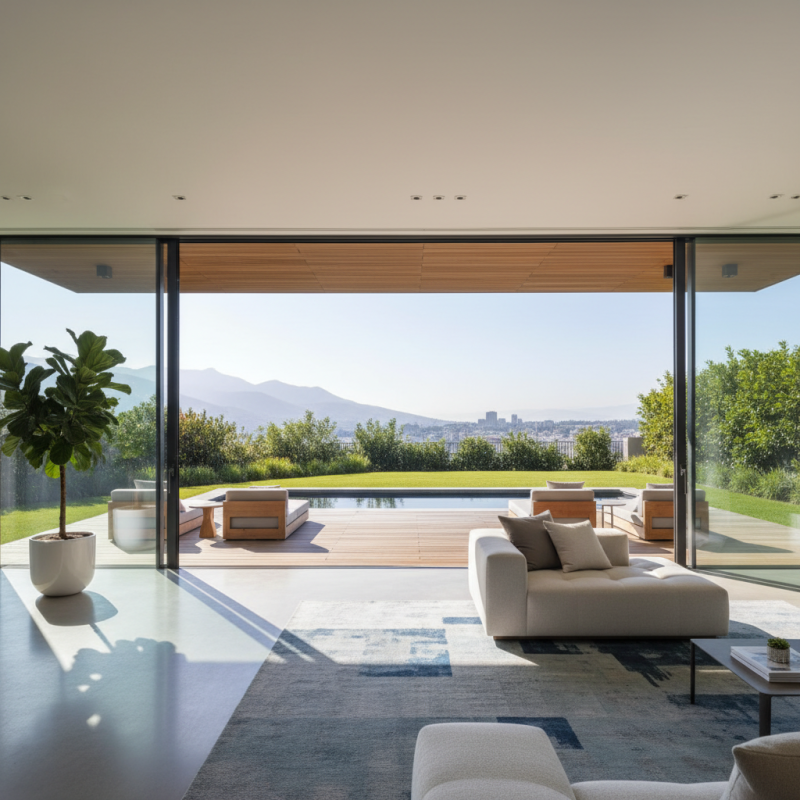
When selecting sliding doors for your home, it's essential to consider the overall design style to ensure a harmonious aesthetic. Whether your home embodies modern minimalism, rustic charm, or classic elegance, sliding doors can be a focal point or a subtle complement to your interior. For contemporary spaces, opt for sleek frames and large glass panels that emphasize openness and allow natural light to flood in. This approach not only enhances the modern aesthetic but also creates a seamless connection between indoor and outdoor areas, emphasizing a sense of spaciousness.
Conversely, for traditional or farmhouse-style homes, consider sliding barn doors that feature warm wood tones and intricate hardware, which can add character and a nostalgic touch. These doors not only serve a functional purpose but also contribute to the cozy ambiance of the space. When choosing sliding doors, pay attention to the finishes, colors, and patterns to ensure they resonate with your existing decor. Ultimately, the goal is to select doors that not only enhance the usability of your space but also reinforce the beauty and style of your home’s architectural identity.
How to Choose the Right Sliding Doors for Your Home Design Project
| Design Style |
Recommended Sliding Door Type |
Material |
Color Options |
Best Location |
| Modern |
Frameless Glass Sliding Doors |
Glass |
Clear, Frosted |
Living Room, Balcony |
| Traditional |
Wood Sliding Doors |
Wood |
Oak, Cherry, Walnut |
Dining Room, Patio |
| Industrial |
Metal Frame Sliding Doors |
Steel, Glass |
Black, Gray |
Loft, Studio |
| Rustic |
Barn Style Sliding Doors |
Wood |
Natural, Distressed Finish |
Entryway, Garage |
| Contemporary |
Aluminum Sliding Doors |
Aluminum, Glass |
White, Anodized |
Patio, Garden |
Functional Features: Security, Insulation, and Space Efficiency
When choosing sliding doors for your home, it’s essential to prioritize functional features such as security, insulation, and space efficiency. According to a report from the National Association of Home Builders, about 75% of homeowners consider security their top priority when selecting doors.
Sliding doors, particularly those with multi-point locking systems and tempered glass, can significantly enhance home security. These features not only provide peace of mind but also deter potential intruders, which is crucial for families and individuals concerned about safety.
Insulation is another critical aspect to consider, as poor thermal performance can lead to increased energy costs. The U.S. Department of Energy reports that energy-efficient sliding doors can reduce heating and cooling bills by as much as 15-20%. Look for doors with high-performance glazing and a thermal break in the frame, which can help maintain a comfortable indoor environment year-round.
Space efficiency is often a decisive factor in modern home design. Sliding doors require less space to operate compared to traditional hinged doors, making them ideal for areas where space is limited. For instance, in smaller homes or apartments, sliding doors can maximize usable space, offering an unobstructed transition between indoor and outdoor areas.
As noted by the American Institute of Architects, incorporating sliding doors can enhance the flow of natural light, further improving the feeling of spaciousness within the home.
Installation Tips: Ensuring Proper Fit and Functionality
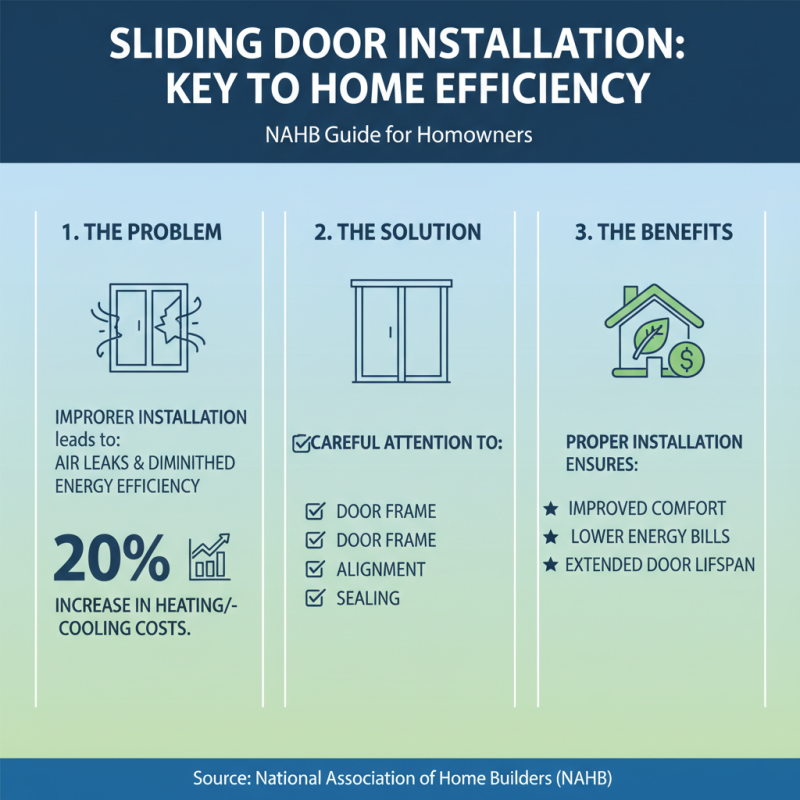
When selecting sliding doors for your home design project, installation is a crucial aspect that dictates the functionality and longevity of your doors. According to the National Association of Home Builders (NAHB), improper installation can lead to significant issues such as air leaks and diminished energy efficiency, with studies showing that poorly fitted doors can increase heating and cooling costs by up to 20%. Ensuring that your sliding doors are installed correctly requires careful attention to the door frame, alignment, and sealing.
First, it’s essential to choose the right measurements to achieve a snug fit. Industry data suggests that a miscalculation of just 1/8th inch can compromise the door's operation and performance. To ensure optimal functionality, the door tracks must be leveled and the frame should be plumb. Additionally, utilizing shims can correct any discrepancies in the structure, providing a stable base for the door. Creating a weather-tight seal around the edges of the door is also critical; research indicates that homes with well-sealed sliding doors can achieve a 15% reduction in energy bills. By prioritizing proper installation techniques, homeowners can enjoy both aesthetic appeal and functional efficiency in their sliding doors for years to come.