How to Choose the Perfect Executive Desk for Your Home Office
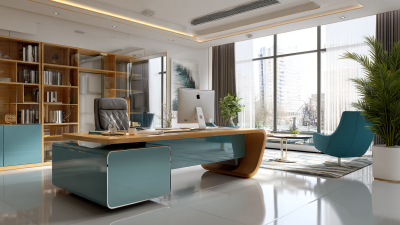
Creating the perfect home office starts with selecting the right executive desk. An executive desk is more than just furniture; it defines your workspace. The right desk enhances productivity and reflects your professional image.
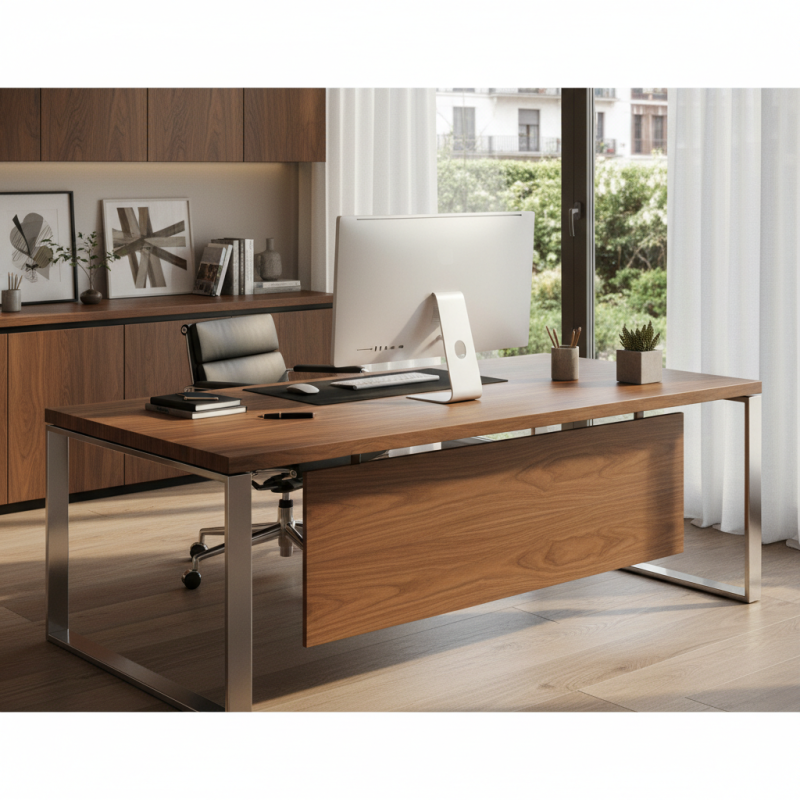
Consider the design and materials. Wood offers elegance, while metal provides a modern touch. Both choices come with their pros and cons. A larger desk can be great for multitasking, but it may consume too much space.
Think about functionality as well. A desk with built-in storage can reduce clutter. However, simplicity may lead to better focus. Reflect on what suits your needs. It’s an essential decision that deserves careful thought.
Understanding Your Home Office Space Requirements
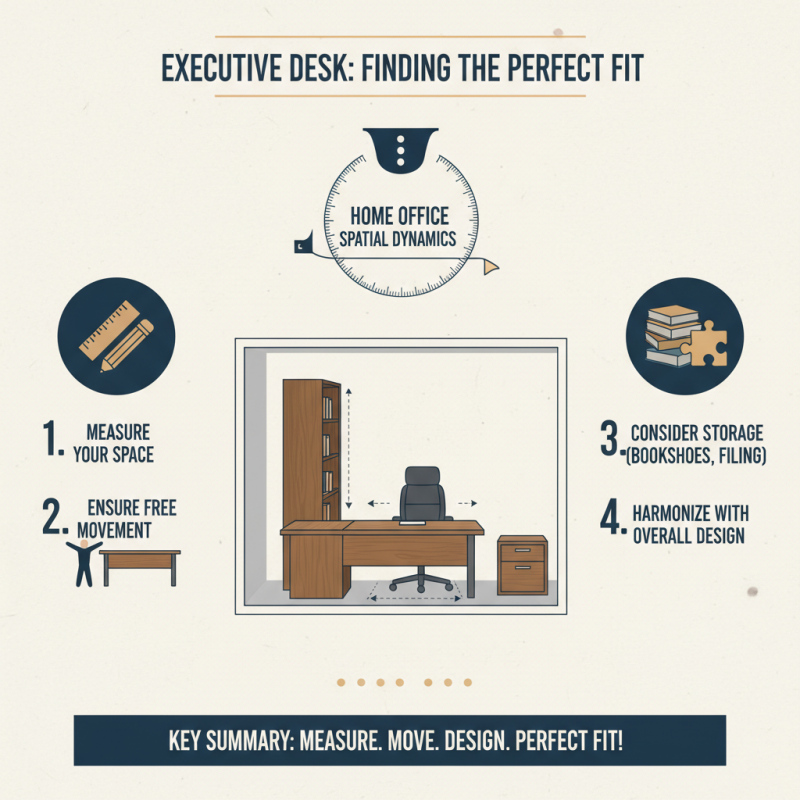
Understanding the spatial dynamics of your home office is crucial when choosing an executive desk. Take a moment to measure the area where you plan to work. Ensure there’s enough space to move around comfortably. Think about what else you want in your office. Do you need bookshelves or filing cabinets? The desk should fit well within the overall design.
Consider the height and width of the desk too. A too-large desk may dominate the room and limit your mobility. The ideal desk complements your workspace but doesn't overpower it. Additionally, think about natural light. Position the desk near a window if possible. This creates a more inviting atmosphere.
Don’t forget about storage options. A desk with inadequate storage can lead to clutter. Reflect on how you organize your work materials. You might find that a simple desk isn’t enough. It can be frustrating to deal with disorganization. So, aim for a desk style that balances functionality and aesthetics.
Identifying Your Personal Style and Functional Needs
Choosing the right executive desk for your home office can be a revealing experience. Start by considering your personal style. Are you drawn to modern designs, or do classic styles resonate with you? A modern desk might have clean lines and sleek finishes. In contrast, a wooden desk with ornate details invokes a warm, traditional feel. This decision sets the tone for your workspace.
Next, think about your functional needs. How do you work? Do you require storage for files, or is a simple surface enough? Visualize where you’ll place your desk. A spacious, corner desk can prevent feelings of claustrophobia. However, it may dwarf smaller rooms. Be honest with yourself about the space you have. A desk that looks perfect in a store might overwhelm your home office. Reflecting on these aspects will guide you to a desk that is not just stylish but also serves your practical needs effectively.
Evaluating Desk Materials and Construction Quality
When choosing an executive desk for your home office, consider the materials and construction quality. Solid wood desks are durable and offer a timeless aesthetic. They can withstand years of use, but can also be pricey. Engineered wood and composite materials might be more affordable, but their longevity can vary. Look for desks with a sturdy finish to protect against scratches and spills.
Tips: Check for joints and hardware. Quality construction often includes reinforced joints. Desks that wobble may need reinforcement, so test stability before purchasing. Ensure the surface is smooth. Rough edges or poorly finished surfaces can detract from your workspace.
Construction quality is essential. Mass-produced desks may lack the attention to detail found in handcrafted pieces. Read reviews to gauge experiences with durability. Don't skip this step; it can save you from future frustrations. Lastly, consider your workspace's design. A desk should complement, not clash with, your home decor.
How to Choose the Perfect Executive Desk for Your Home Office
| Desk Material |
Construction Quality |
Durability (Years) |
Price Range ($) |
Maintenance Level |
| Solid Wood |
High |
20+ |
800 - 2000 |
Low |
| Particle Board |
Medium |
5 - 10 |
100 - 400 |
High |
| Metal |
High |
15+ |
300 - 1000 |
Low |
| Glass |
Medium |
10 - 15 |
200 - 800 |
Medium |
| Laminate |
Medium |
10 - 15 |
150 - 600 |
High |
Considering Size and Layout for Optimal Workspace
When setting up a home office, size and layout are essential considerations. A perfect executive desk should fit comfortably within your space.
Measure your room before shopping. Make sure the desk doesn’t crowd the room or block pathways.
Too large of a desk can make a small office feel cramped. Aim for a balance that allows for movement and openness.
Think about how you work. Do you need space for multiple monitors? Is storage important?
The layout determines how functional your office will be.
Position the desk to catch natural light. It can improve mood and productivity.
However, it’s crucial to avoid glare on screens. A poorly placed desk can lead to frustration.
Also, consider the placement of shelves and other furniture. Everything should complement each other for a cohesive look.
Lastly, reflect on your own habits. Do you often leave papers scattered around? If so, you might need extra storage solutions.
Choose a desk with drawers or add filing cabinets nearby. A tidy workspace can enhance focus.
In the end, selecting the right executive desk is about understanding your unique needs and space.
Assessing Budget and Long-Term Investment Value
When selecting an executive desk for your home office, budget considerations are crucial. Research indicates that a quality desk can range from $200 to over $1,500. A well-chosen desk can last more than ten years, making it a viable long-term investment. According to industry reports, about 70% of professionals working remotely prioritize ergonomics and design. Finding the right balance is essential, as an efficient workspace impacts productivity.
You may find yourself drawn to high-end materials, but practicality matters. Evaluate your workspace needs and frequency of use. A desk that fits your style yet remains functional can enhance your work experience. A report from the American Furniture Manufacturers Association states that 60% of home office users experience discomfort due to poor furniture choices. Investing in a well-designed desk can prevent long-term health issues.
Consider the total cost of ownership. Cheaper options may save money now but can lead to costly replacements later. Aim for a desk that aligns with your work habits and aesthetics. A thoughtful choice can provide satisfaction for years, ultimately reflecting your professional image. Balancing budget constraints with features you value is key.
Budget vs. Long-Term Investment Value of Executive Desks