Leave Your Message

What Are Decorative Items and How Do Buyers Choose Them?

Decorative items turn ordinary rooms into spaces with memory, texture, and personal meaning. Yet choosing them is rarely as simple as following a trend. Buyers often compare color, material, size, craftsmanship, maintenance, and emotional appeal before placing an object on a shelf. A hand-thrown ceramic vase may look beautiful online, but its uneven rim becomes more noticeable in natural daylight. Scale matters too. A small brass bowl can disappear on a large dining table, while an oversized sculpture may make a narrow hallway feel crowded.

Interior designer and design authority Nate Berkus once said, “Your home should rise up to greet you.” This idea explains why corative Items should support daily life, not merely fill empty corners. Buyers usually respond to objects that reflect their routines, travels, values, or changing taste. They may choose woven baskets for practical storage, framed art for visual focus, or candles for a softer evening atmosphere. Meaning matters.

But preference is not always consistent. A shopper might reject a minimalist lamp, then buy a bright patterned tray the next day. That contradiction is normal. Reliable choices still require careful observation. Buyers should inspect finishes, check dimensions, read care instructions, and consider how an item works with existing furniture. Responsible sellers should describe materials honestly and show products from multiple angles. Decorative objects can be personal purchases, but they also deserve informed judgment. Beauty helps. Function often decides.
What Are Decorative Items and How Do Buyers Choose Them?

Meaning and Scope of Decorative Items

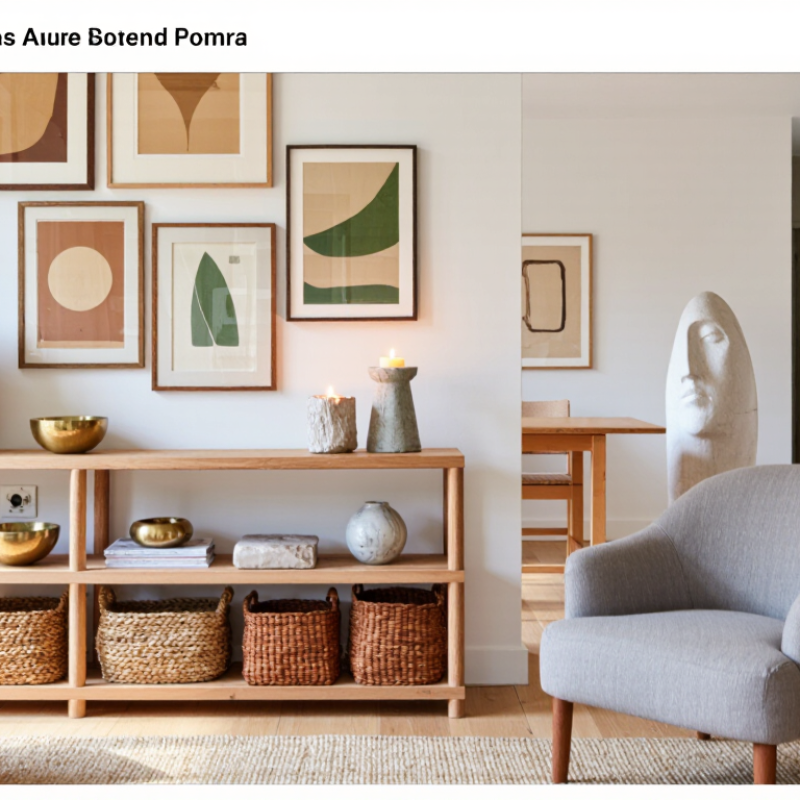
Decorative items are objects that shape a space’s visual and emotional character. Their scope includes wall art, mirrors, vases, candles, sculptures, cushions, rugs, tableware, and decorative lighting. Some pieces are purely ornamental, while others serve daily functions. A ceramic bowl may hold fruit, yet its color and texture can define a dining table. The category is useful, but not perfectly clean.

Grand View Research valued the global home decor market at approximately USD 682.9 billion in 2023. Its 2024 report projects a compound annual growth rate of about 4.8% from 2024 to 2030. This broad market includes furniture and furnishings, so decorative items should not be treated as a separate, perfectly measurable sector. The boundary matters when buyers compare prices, materials, or market claims. It also explains why two reports may show different market sizes.

Buyers often choose decorative items through a mix of appearance, function, durability, and personal meaning. They may compare a vase’s height with a shelf, inspect a textile’s weave, or check whether a lamp creates harsh shadows. The U.S. Census Bureau reported that e-commerce represented 16.1% of total U.S. retail sales in the fourth quarter of 2024. Online shopping increases visual choice, but screens can hide weight, texture, and scale. That is a real weakness. Experienced buyers use dimensions, material descriptions, customer photographs, and return policies before deciding. Some still choose emotionally. That is not always irrational.

Main Categories and Materials of Decorative Items

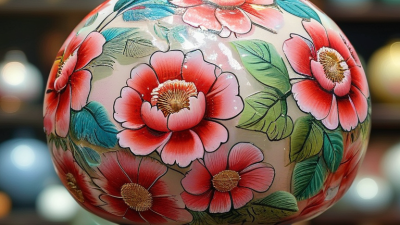
Decorative items shape a room’s mood, texture, and sense of use. The main categories include wall decor, tabletop pieces, textiles, lighting accents, and functional ornaments. Wall decor covers framed art, mirrors, woven panels, and sculptural objects. Tabletop items include vases, bowls, candleholders, and small figures. Textiles add softness through cushions, throws, and rugs. Lighting accents create focus, but they must provide safe, comfortable illumination. Functional ornaments, such as trays or storage baskets, combine appearance with daily usefulness.

Materials strongly affect weight, touch, lifespan, and maintenance. Wood brings warmth and visible grain, although porous surfaces may absorb stains. Ceramic offers color and shape variety, but thin pieces can chip easily. Glass reflects light beautifully and can make a small area feel open. Metal supplies structure and shine; its finish needs checking for scratches or corrosion. Stone feels substantial, yet heavy pieces need stable furniture and careful placement. Natural fibers suit relaxed interiors, while recycled materials can reduce waste when their source is clear.

In my experience, buyers choose better when they match an item to the room’s real conditions. Measure the available space first. A large sculpture can overwhelm a narrow shelf. Then consider cleaning, sunlight, humidity, pets, and frequent handling. I once favored a delicate handmade bowl because of its color, then found its uneven base impractical. That mistake changed my checklist. I now inspect joins, finishes, stability, and care instructions before judging style. Reliable sellers should explain materials, dimensions, origin, and expected use without exaggerated claims.

Decorative Items: A Comparison of Common Material Densities

Material weight can affect how buyers choose decorative items—for example, lighter pieces are often easier to hang or move, while heavier materials may feel more substantial. Values shown are approximate representative densities; actual density varies by material composition and product.

How Decorative Items Shape Interior Spaces

Decorative items shape interior spaces by guiding attention, softening hard surfaces, and making rooms feel lived in. A ceramic bowl on a timber table adds a focal point; a woven cushion can make a bare sofa feel warmer. These choices matter because people spend about 90% of their time indoors, according to the U.S. Environmental Protection Agency. Color, texture, and placement can influence how a room feels during ordinary routines. A floor lamp beside a reading chair creates a quiet pool of light. Small, deliberate details often do more than a crowded display. Less can feel better.

Decor also affects perceived scale and balance. A large mirror can make a narrow hallway feel brighter, while a low arrangement keeps a small coffee table usable. The American Society of Interior Designers’ 2024 Trends Outlook highlights growing attention to wellness and sensory experience in interiors. That supports practical choices such as natural textures, comfortable lighting, and objects with personal meaning. Yet the effect is not automatic: too many pale accessories may make a room feel flat, and a treasured object can look misplaced when its surroundings compete for attention. Try one change at a time, then notice how the room works at different hours. A little trial and error helps.

Key Factors Buyers Consider Before Purchasing

Decorative items include objects that shape a room’s mood, texture, or visual balance. They may be ceramic vases, framed artwork, woven baskets, mirrors, candles, or small sculptures. Buyers rarely choose them for appearance alone. The best purchase usually fits the room, the budget, and daily habits.

I have learned that scale matters more than many shoppers expect. A small vase can disappear on a deep shelf, while a large mirror may overwhelm a narrow hallway. Measure twice. Check the item’s height, width, and placement distance before ordering. Color also deserves attention. A warm lamp can soften a gray room, but several competing colors may create visual noise.

Material, durability, and care requirements strongly influence sensible decisions. Buyers should inspect product measurements, construction details, surface finishes, and cleaning instructions. A delicate textured piece may look impressive, yet it can collect dust quickly. I once bought a beautiful light-colored ornament without considering fingerprints; maintenance became annoying within days. That choice was attractive but poorly judged. Reliable sellers should provide clear photographs, accurate descriptions, delivery information, and reasonable return terms. Safety matters too, especially with wall-mounted objects, glass, candles, or items placed near children and pets. Personal taste still leads the decision, but practical evidence helps prevent regret.

How Buyers Compare, Select, and Maintain Decorative Items

Buyers compare decorative items by looking beyond color and asking how each piece will work in the room. A ceramic vase may suit a narrow shelf, while a broad bowl needs a stable surface and more breathing space. Check dimensions, weight, material, and finish before buying. Photos can hide scale, so compare measurements with a familiar object at home. A small sample of fabric or paint nearby can reveal whether the item’s tones clash in daylight.

Choose pieces that fit both the room and daily habits. In a busy entryway, a low, sturdy tray may be more useful than a fragile sculpture. For a dim corner, reflective glass or a pale finish can catch available light. Feel the surface when possible; rough edges and uneven bases matter more than they seem. I have found that a piece can look perfect online and feel awkward once placed. It happens.

Maintenance should influence the choice, too. Dust carved wood with a soft, dry cloth, and keep delicate finishes away from direct sun and damp spots. For items near cooking areas, smooth surfaces are often easier to wipe clean than deep grooves. Check care instructions, especially for mixed materials, since water may affect wood or metal details. Rotate objects occasionally to limit uneven fading. Keep it simple. Even careful buyers sometimes choose something impractical; noticing why can make the next choice better.

What Are Decorative Items and How Do Buyers Choose Them? — How Buyers Compare, Select, and Maintain Decorative Items

Decorative Item Common Materials What Buyers Compare Practical Selection Considerations Typical Care
Vases and decorative vessels Glass, ceramic, porcelain, metal, and stoneware Height, opening size, stability, finish, color, and whether the vessel holds water Check dimensions against the intended shelf or table. For fresh flowers, confirm that the interior is watertight and easy to clean. Dust regularly. Hand-wash delicate finishes; use a soft cloth to avoid scratching glazed or metallic surfaces.
Wall art and decorative prints Paper, canvas, wood, metal, and glass Artwork dimensions, frame material, hanging hardware, color palette, and glazing Measure the wall and consider viewing distance. Keep paper-based art away from prolonged direct sunlight and damp areas. Dust frames with a dry, soft cloth. Clean glazing with a suitable glass cleaner without spraying directly onto the artwork.
Decorative cushions Cotton, linen, wool, polyester, and blended fabrics Cover dimensions, insert firmness, fabric feel, closure type, and cleaning instructions Compare the cover size with the cushion insert. For frequently used seating, durable, removable covers can simplify care. Follow the care label. Spot-clean promptly and rotate cushions to help distribute wear evenly.
Mirrors Glass with wood, metal, or composite frames Overall size, frame finish, weight, mounting method, and intended placement Verify wall suitability and use hardware rated for the mirror's weight. Avoid placing mirrors where they could be easily knocked over. Clean the glass with a soft cloth. Keep moisture from collecting at the edges and on frame joints.
Decorative bowls and trays Wood, ceramic, glass, metal, and stone Shape, usable surface area, weight, finish, and resistance to heat or moisture Choose a size that fits the intended surface. Check whether the item is designed for display only or for contact with food. Use care suited to the material. Avoid soaking wood and use non-abrasive cleaners on polished surfaces.
Table lamps and decorative lighting Glass, ceramic, metal, wood, and fabric Overall height, shade size, bulb compatibility, switch location, and cord length Confirm that the lamp is suitable for the intended electrical supply and that the shade and bulb type are compatible. Switch off and unplug before cleaning. Dust the shade and base with a dry cloth; follow the maker's electrical safety instructions.
Decorative objects and figurines Ceramic, resin, glass, wood, and metal Scale, detail, material, finish, stability, and placement requirements Consider how the object's size relates to nearby furniture and décor. Check for a stable base, especially on high-traffic surfaces. Dust with a soft brush or cloth. Handle fragile pieces carefully and keep them away from edges and heavy foot traffic.
Decorative rugs and floor coverings Wool, cotton, jute, and synthetic fibers Dimensions, pile, fiber type, texture, color, and suitability for the room Measure the floor area before buying. A rug pad can help limit slipping and reduce movement on smooth floors. Vacuum according to the rug's pile and care guidance. Blot spills rather than rubbing, and arrange professional cleaning when appropriate.