How to Master Space Planning for Effective Design?
Effective design hinges on successful Space Planning. This process involves thoughtfully arranging physical spaces to optimize both function and aesthetics. A well-planned space can enhance productivity, promote collaboration, and create a pleasant atmosphere. Without proper planning, spaces can feel cramped or disjointed, negatively impacting usability.
As we delve into mastering Space Planning, we'll explore various strategies. Consider the flow of movement in a room. How do people interact within the space? Reflect on the purpose of each area. Is it serving its intended role? Design choices should align with these reflections. Balancing aesthetics with functionality can be challenging, yet it is essential for effective design.
Gaining expertise in Space Planning requires practice and ongoing learning. Experimenting with different layouts can reveal hidden potentials. However, it's easy to overlook minor details that may affect overall flow. Embracing imperfection fosters growth and leads to better outcomes in design.
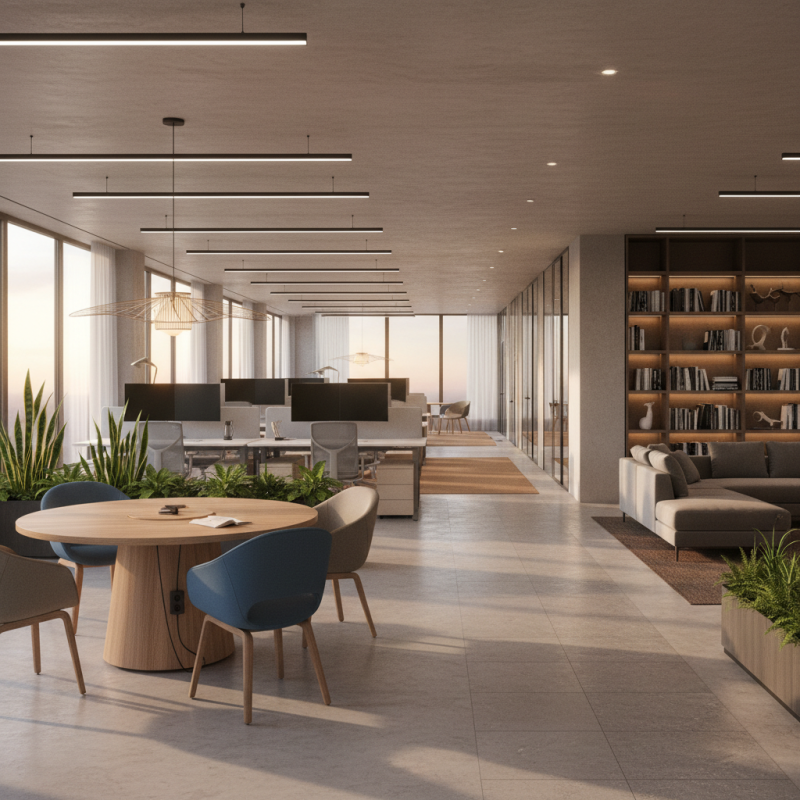
Understanding the Fundamentals of Space Planning in Design
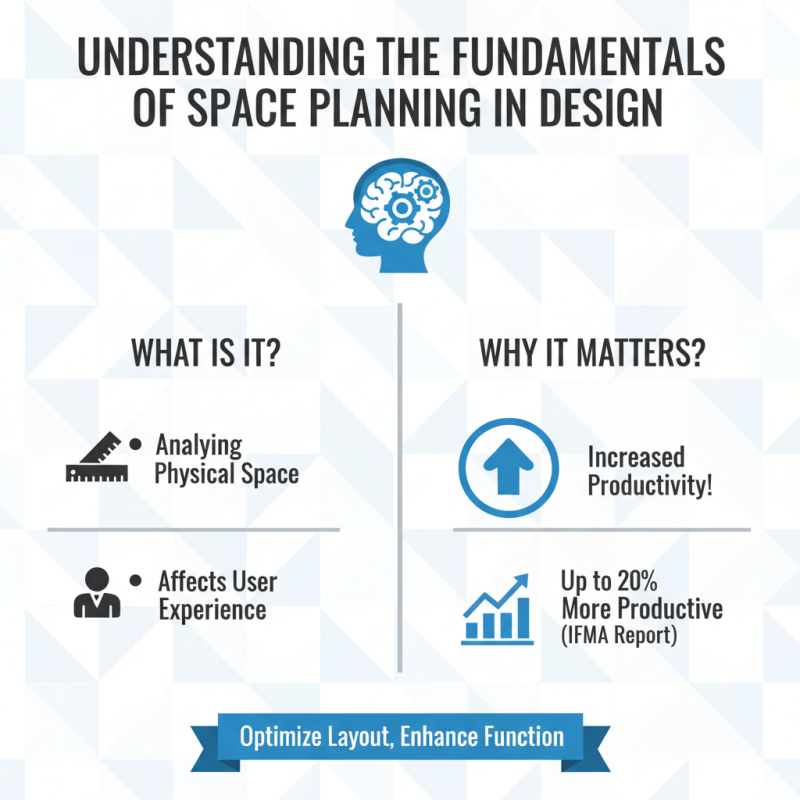
Space planning is a fundamental aspect of effective design. It involves analyzing how physical space affects user experience. According to a report by the International Facility Management Association, well-planned spaces can increase productivity by up to 20%. This statistic highlights the importance of optimizing layout to enhance functionality.
Understanding the flow within a space is crucial. Space should feel inviting and functional. For instance, tight spaces can lead to frustration. Narrow walkways or poorly positioned furniture can obstruct movement. A study from the Interior Design Association indicates that cluttered environments reduce focus by 45%. These insights prompt designers to rethink common layouts.
In professional projects, mistakes occur. A miscalculation in space requires costly adjustments later. It's essential to create multiple layouts and assess them. Decisions should not be rushed. Feedback from occupants can guide improvement. Effective space planning must prioritize both aesthetics and functionality. This balance is vital for long-term success.
Analyzing Functional Requirements and User Needs
Mastering space planning requires a deep understanding of functional requirements. Each space serves a unique purpose, influenced by user needs. For instance, a home office should promote focus. The layout must support work efficiency and comfort. Consider the desk placement and natural light access.
Analyzing user needs can reveal areas for improvement. A small café might feel cramped. Assessing seating arrangements can enhance flow. Too many tables could limit movement. Open spaces can create a welcoming atmosphere. Pay attention to the details that matter. Feedback from users offers valuable insights.
Not every plan will be perfect on the first try. Some designs may fail to meet user expectations. A workspace that lacks storage creates clutter. It’s essential to adjust layouts based on real usage. Reflect on what worked and what didn't. This iterative process leads to more effective spaces.
Creating Efficient Layouts with Flow and Accessibility in Mind
Creating effective layouts requires a keen focus on flow and accessibility. In 2022, a report by the American Institute of Architects emphasized that 70% of respondents prioritized accessibility in their design processes. This highlights the importance of integrating user-friendly elements for everyone. A well-planned space should facilitate movement without obstacles. Wide pathways and appropriate signage can guide individuals smoothly through any environment.
Accessibility isn't just about physical space. It also encompasses visual clarity and cognitive considerations. Many studies suggest that inclusive designs can enhance the user experience significantly. For instance, public spaces designed with proper lighting and intuitive layouts see a 40% increase in usage. However, many designs still fall short. Common pitfalls include underestimating the needs of those with mobility challenges.
Flow is essential in any layout. Spaces should encourage natural movement. In 2019, researchers noted that poorly designed interiors led to confusion, affecting over 60% of users. Simple adjustments often lead to better experiences. Incorporating open areas and reducing clutter enhances navigation. But sometimes, the layout might only partially consider these needs, leading to frustration. Striving for a perfect balance is crucial for effective design.
How to Master Space Planning for Effective Design? - Creating Efficient Layouts with Flow and Accessibility in Mind
| Dimension |
Description |
Example Measurement |
| Room Size |
Total area of the room for planning |
300 sq. ft. |
| Traffic Flow |
Paths for movement within the space |
3 ft. wide pathways |
| Accessibility |
Design considerations for all users |
Doorways at least 32 in. wide |
| Furniture Arrangement |
Layout of furniture to optimize space |
Sofa placed against the longest wall |
| Lighting |
Natural and artificial light sources |
Windows spaced for optimal light |
Utilizing Tools and Technology for Effective Space Planning
Effective space planning is crucial for maximizing functionality and aesthetics. Utilizing modern tools and technology can significantly enhance the design process. According to a study by the International Facility Management Association, 68% of organizations report improved productivity when using advanced space management software. This highlights the importance of adopting technology to create efficient workspaces.
3D modeling and visualization tools are particularly influential. They allow designers to create realistic layouts. These tools help identify potential issues before implementation. However, over-reliance on digital solutions can lead to neglecting real-world constraints. A balance is essential. The Space Management Institute found that 30% of spaces are underutilized, emphasizing the need for data-driven analysis in planning. Discerning how people interact with their environment is key.
Data analytics also plays a vital role. Collecting space usage statistics can inform design decisions. Recent trends show that offices with flexible layouts see 25% more collaboration. Yet, it's crucial not to lose sight of individual needs within open spaces. Not every tool fits every project. Frequent evaluations and adjustments are needed to ensure that technology truly meets design goals.
Evaluating and Adjusting Designs Through Continuous Feedback and Testing
In space planning, continuous feedback and testing are essential for refining designs. A recent report indicates that 85% of design failures occur due to inadequate user feedback during the planning phase. Effectively integrating user input can lead to improved functionality and satisfaction. Yet, many designers overlook this step, assuming their vision alone is enough.
Testing designs in real-world scenarios allows for adjustments based on actual usage. For instance, studies show that environments designed with user feedback can boost productivity by up to 20%. However, just collecting feedback isn't enough. It needs to be analyzed and acted upon. Designers often face challenges in implementing changes based on feedback. Miscommunication can lead to missed opportunities for improvement. Regular assessments can help teams stay aligned with user needs and aspirations.
Additionally, creating prototypes before finalizing layouts can aid in this iterative process. It helps visualize problems that may not be evident on paper. Yet, many rush this phase, leading to designs that don’t resonate with users. Continuous feedback should feel organic, not forced. Acknowledging feedback's role is vital. Balancing creative vision with user-centric adjustments is the key to successful space planning.
Space Planning Effectiveness Over Time
This bar chart illustrates the effectiveness of space planning over eight weeks, showcasing the gradual improvement in design effectiveness ratings as continuous feedback and testing were implemented.