How to Maximize Closet Storage Space for Better Organization?
In today's fast-paced world, maximizing space in your home is essential. Closet storage often gets overlooked, yet it plays a vital role in organization. According to renowned expert Amelia Green, "A well-organized closet can transform your daily routine."
Many homeowners struggle with cluttered closets. Often, valuable space is wasted on seldom-used items. A disorganized closet can lead to frustration and chaos. It’s important to reevaluate what we truly need. Unwanted items can be a burden, taking up precious closet storage.
Innovative solutions exist, from sliding shelves to vacuum bags. These can significantly increase your storage potential. However, it's crucial to select options that truly fit your lifestyle. Overspending on closet storage products can lead to regret. Aim for quality over quantity to create a functional, efficient space.
Assessing Your Closet Space and Needs
Assessing your closet space is crucial for effective organization. Start by evaluating what you own. Pull everything out and sort items into categories: clothes, shoes, accessories. This step helps you visualize what takes up space. Ask yourself, do you wear all these items? Unworn pieces may just clutter your closet.
Next, measure your closet dimensions. Knowing the height and width guides your organization strategy. Consider vertical space. High shelves and hooks can free up floor space. Use bins for smaller items. Labeling boxes can save time when searching for things.
Reflect on your lifestyle. Do you need formal clothes, or are casual styles more suitable? Think about how often you use each item. A closet that holds what you truly need is far more practical. It's okay if your initial attempt at organization isn’t perfect. Each adjustment improves your efficiency and clarity over time.
Choosing the Right Storage Solutions and Tools
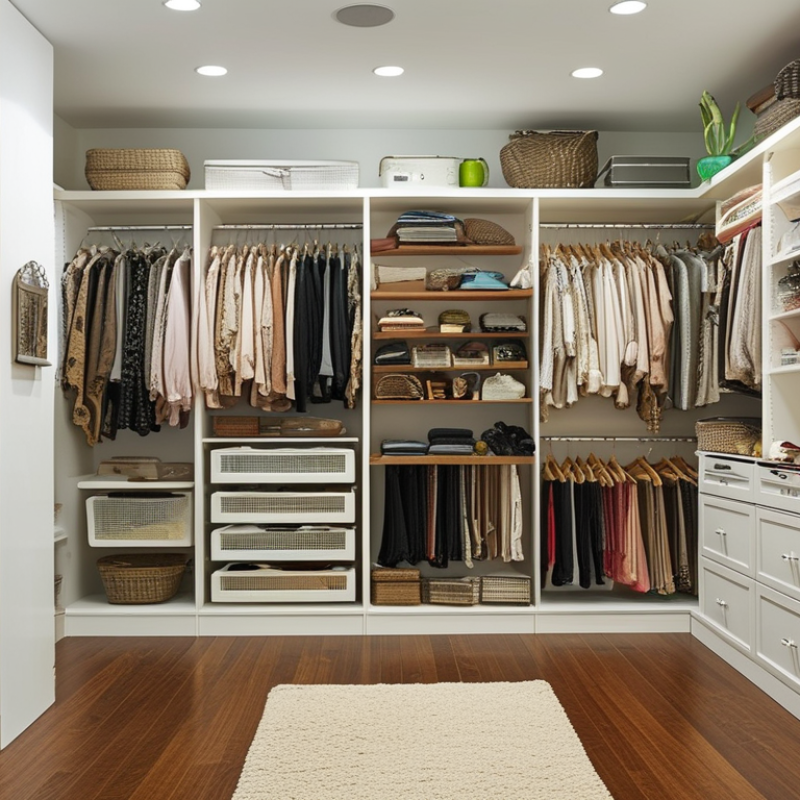
Maximizing closet storage space starts with choosing the right solutions. Consider various types of shelves. Adjustable shelves allow flexibility as your needs change. They provide room for both short and tall items. You could add modular units. These can be customized for your space. Utilizing vertical space is key. High shelves can store seasonal items.
Storage bins are another excellent choice. Clear bins offer visibility, while color-coded bins can streamline the process. Labeling bins can save time when searching for specific items. Hooks and wall-mounted racks can hold accessories, bags, or hats, keeping them accessible.
Invest in quality hangers. Thin hangers save space and maintain garment shape. You might find organizing clothes by category makes it easier. However, not every method works for everyone. What works for one may not suit another’s lifestyle. Reflection on your needs helps make better choices.
Maximize Closet Storage Space: Types of Storage Solutions
Organizing Clothes by Category and Frequency of Use
Organizing clothes by category and frequency of use is crucial for maximizing closet storage space. According to a survey by the National Association of Professional Organizers, 80% of people wear only 20% of their clothing. This statistic highlights the importance of arranging your wardrobe thoughtfully. Start with essentials: items you wear regularly should be easily accessible.
Consider grouping clothes by type first—such as shirts, pants, and outerwear. Within each category, arrange them by how often you wear them. Items used daily should be front and center. Seasonal clothing can be stored at the back or in bins. This not only frees up space but also helps you keep track of what you own.
Tip: Invest in slim hangers to save space and maximize your closet's capacity. Fold bulky items like sweaters or jeans to avoid stretching. Remember, the goal is not just to create more space but to cultivate an organized system that works for you. Reflect on what you actually use and consider donating items that no longer fit your lifestyle. Regular decluttering prevents your closet from becoming another chaotic space.
How to Maximize Closet Storage Space for Better Organization? - Organizing Clothes by Category and Frequency of Use
| Category |
Frequency of Use |
Recommended Storage Method |
Items per Category |
| Casual Wear |
Daily |
Hanging Rack |
15 |
| Formal Wear |
Occasional |
Garment Bag |
5 |
| Seasonal Clothing |
Rarely |
Storage Bin |
10 |
| Workout Gear |
Weekly |
Open Shelving |
8 |
| Accessories |
Daily |
Drawer Organizer |
20 |
Utilizing Vertical Space and Shelving Effectively
When it comes to maximizing closet storage, vertical space is your best friend. Often, we overlook the height in our closets. Adding shelves is a straightforward yet effective solution. A few well-placed shelves can transform an overcrowded closet into an organized haven. Consider using adjustable shelves to accommodate various items. They offer flexibility for seasonal changes.
Utilizing hooks and pegboards can also enhance vertical organization. Hooks allow you to hang bags, scarves, or even hats. This keeps items off the floor, making the closet feel larger. Pegboards can display smaller accessories or shoes, freeing up shelf space for other essentials. The arrangement might not always look perfect, but functionality is key.
Remember to assess your current storage solutions often. Does that shelf need to be higher? Are you using all the vertical options available? Reflecting on your space is crucial. Aim for a balance between aesthetics and practicality. An organized closet is not just about appearance; it’s about making daily routines easier. Experimenting with different configurations can lead to unexpected yet beneficial results.
Implementing Maintenance Strategies for Long-Term Organization
Maintaining an organized closet demands consistent effort and strategic planning. Studies indicate that 75% of people find clutter in closets frustrating. Setting up a routine for regular checks can help keep chaos at bay. Schedule seasonal evaluations to reassess items you own. This simple practice can prevent the accumulation of unnecessary clothing or accessories.
Storage solutions are effective, but they require dedication. Research from the National Association of Professional Organizers suggests that an organized space fosters productivity. Take time to categorize items, ensuring each piece has its designated spot. Use bins and labels to keep everything in order. Regularly revisit your system to determine what works and what doesn't.
In your quest for long-term organization, reflect periodically on your habits. Are you hanging onto items you rarely wear? Creating a "one-in-one-out" policy can help maintain balance. This means for every new item, an old one must go. Such practices require diligence but can significantly enhance your storage capabilities.