What is Pantry Shelving and How to Maximize Its Use?
Pantry shelving has become an essential element in modern kitchens. Statistics reveal that 70% of homeowners consider pantry organization vital for efficiency. Proper pantry shelving can elevate storage capabilities and enhance accessibility. With rising living costs, maximizing every inch of available space is crucial.
The versatility of pantry shelving is noteworthy. It allows for the storage of various items, from canned goods to small appliances. A recent study highlighted that 65% of homeowners reported improved meal planning after reorganizing their pantries. Yet, many still overlook this area, leading to clutter and wasted space.
Implementing effective pantry shelving can foster a more organized environment. It opens opportunities for creative storage solutions. However, without thoughtful design, even the best systems can fall short. Reflecting on personal experiences, it’s clear that recognizing the need for improved shelving often comes too late. Balancing aesthetics and functionality is key to optimizing pantry use.
What is Pantry Shelving?
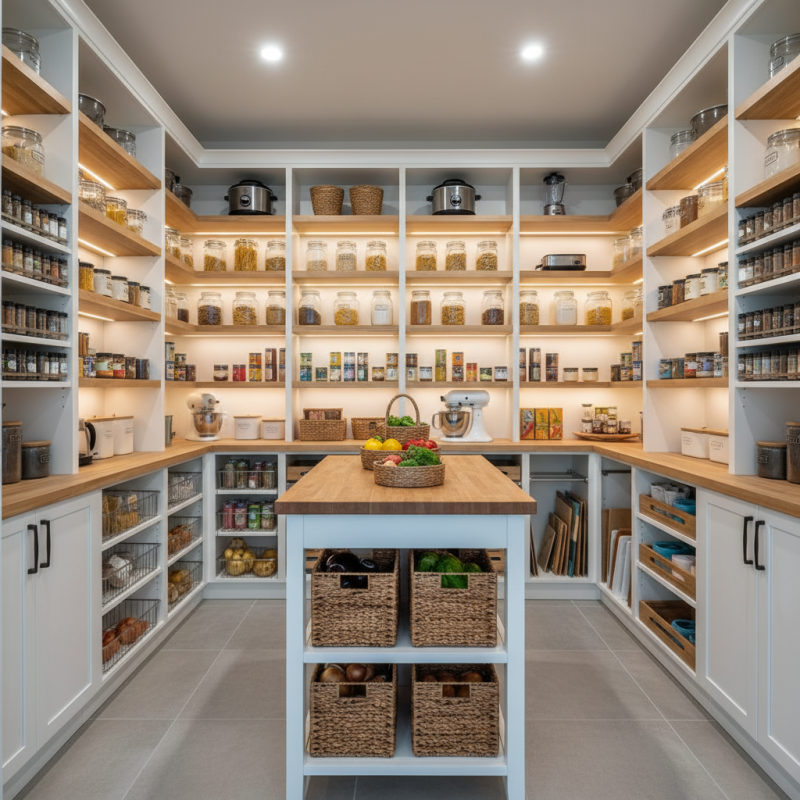
Pantry shelving is an essential component in organizing kitchen spaces. Properly designed shelving allows for better storage of food items, cookware, and other essentials. According to a recent industry report, efficient pantry organization can reduce food waste by up to 25%. This highlights the importance of maximizing shelf space and accessibility.
Effective pantry shelving systems prioritize both function and flexibility. Using adjustable shelves can help accommodate various item sizes. Clear containers can enable easy visibility of contents, reducing the time spent searching for ingredients. Research indicates that using vertical space can increase storage capacity by 30%, making it a practical solution for smaller kitchens.
Common pitfalls include overcrowded shelves and inadequate lighting. Cluttered spaces often lead to expired products and inefficiencies. Implementing labeled bins and efficient lighting can significantly improve usability. However, many overlook these aspects, creating frustration during meal prep. Investing time in proper shelving can transform a chaotic pantry into an organized haven.
Types of Pantry Shelving Materials and Designs
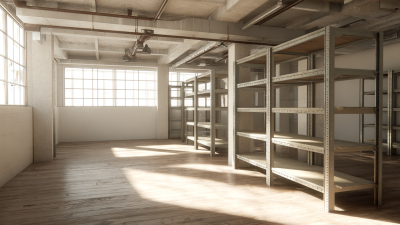
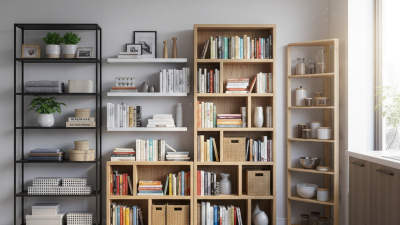
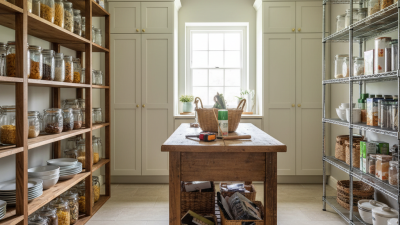
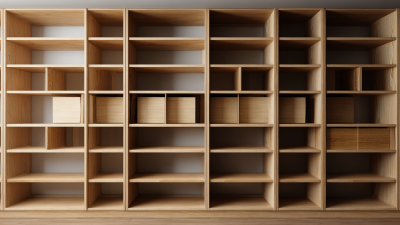
When considering pantry shelving, it’s essential to explore various materials and designs available. Wooden shelves offer warmth and a classic feel. They can be stained or painted to match your kitchen aesthetics. However, they may warp in humid environments. Metal shelves, on the other hand, provide durability and a modern look. They are ideal for heavy items but can be cold and uninviting.
Wire shelving is an excellent option for those seeking flexibility. It allows for air circulation and is easy to adjust. But, it may not be suitable for smaller items that can fall through the gaps. Plastic shelves are lightweight and resistant to moisture. They work well in less formal settings but may not have the strength of wood or metal.
Creating the most effective pantry involves understanding these materials. Assess your needs before deciding on a design. Consider the types of food and supplies you store. This thought process can reveal areas for improvement. Each material has pros and cons that deserve careful reflection. It’s about finding the right balance between aesthetics and functionality.
Tips for Organizing Your Pantry Shelves Effectively
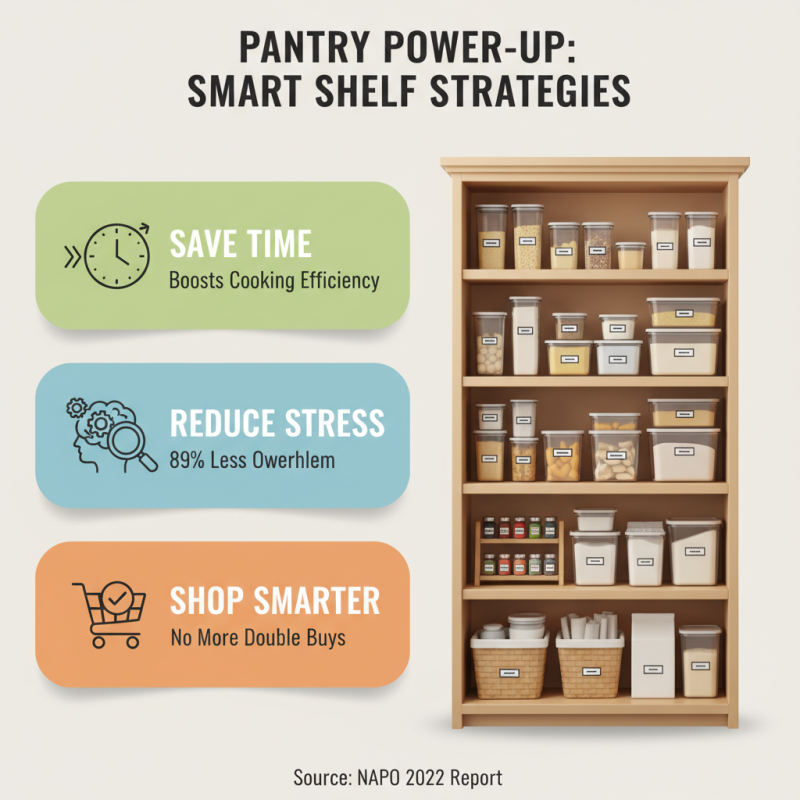
Organizing pantry shelves effectively can transform your cooking experience. According to a 2022 report by the National Association of Professional Organizers, 89% of consumers feel overwhelmed by disorganized spaces. Proper pantry organization can enhance efficiency and save time.
Clear containers are essential for visibility. Labeling is equally important. Use simple, concise labels that clearly describe contents. This is crucial for finding items quickly. Consider using adjustable shelving to maximize vertical space. The average pantry shelf can hold about 150 pounds, so utilize this capacity wisely.
Group similar items together. For example, place snacks on one shelf, baking supplies on another. This reduces the time spent searching for ingredients. Regularly declutter your pantry. Experts suggest doing this monthly. A well-maintained pantry can enhance meal prep and reduce food wastage.
Maximizing Space with Vertical and Horizontal Storage Solutions
Pantry shelving plays a crucial role in organizing your kitchen effectively. Using vertical storage solutions can maximize your space significantly. Tall shelves allow for stacking items, making it easier to reach frequently used ingredients. Consider adding clear bins or labeled containers. This adds an element of clarity to your pantry.
Vertical space, if utilized properly, can hold everything from spices to grains.
On the other hand, horizontal storage shouldn't be overlooked. Low shelves can store heavier items or wide containers. This setup ensures that all your essentials are visible and accessible. Mixing both vertical and horizontal shelving can create a balanced layout. It is essential to assess your inventory regularly. You might discover clutter or expired items that need addressing.
Striking a balance between functionality and aesthetics often takes time and experimentation. Adjustments may be necessary as your needs change.
Maintenance and Care for Pantry Shelving Systems
Maintaining pantry shelving systems requires regular attention and care. Regular dusting is crucial, as dust can accumulate quickly, impacting both the appearance and functionality of your shelves. Deep cleaning once a month helps remove grime. Consider using mild soap and warm water, avoiding harsh chemicals. Inspect the shelving for signs of wear or damage. Look for loose screws or bent metal. Small repairs can prevent larger issues down the line.
Tips for maintaining pantry shelving: Use a vacuum with a brush attachment to clean hard-to-reach spots. Wipe down shelves after every major grocery shopping trip. This keeps everything organized and fresh. Consider re-evaluating your shelving system every few months. This can spark new ideas and improve your pantry's efficiency.
Incorporating shelf liners can help protect against spills and stains. They can also enhance the aesthetic appeal of your pantry. However, remember that not all liners are easy to clean or replace. When choosing liners, consider materials that are durable yet easy to maintain. Regular adjustments in your shelving arrangement can refresh the space and make it more functional.