What is Pantry Shelving and How Does it Improve Your Kitchen Organization?
In the quest for an organized kitchen, "Pantry Shelving" plays a crucial role. This simple yet effective storage solution can transform cluttered spaces. When designed well, it enhances accessibility and optimizes the use of space.
Imagine opening your pantry and finding everything in its place. Clear shelves make it easy to spot ingredients. No more rummaging through boxes or jars. However, achieving this ideal setup takes thought and planning. Do you often discard expired items? A well-structured pantry can help prevent that.
Yet, not all pantry shelving solutions are perfect. Some may lack durability or space efficiency. Reflecting on your unique needs will guide you to the right choice. With careful selection, pantry shelving can lead to a more functional and enjoyable kitchen experience.
Definition of Pantry Shelving and Its Purpose in the Kitchen
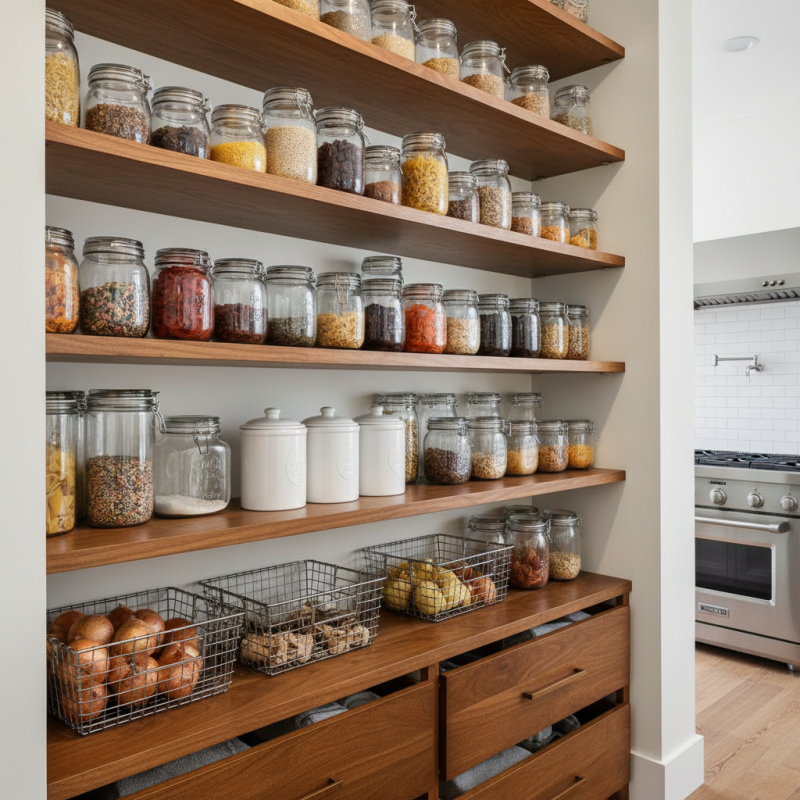
Pantry shelving is a crucial element of kitchen organization. It refers to the system of shelves that store food, cooking supplies, and other kitchen items. Effective pantry shelving not only maximizes space but also enhances accessibility. According to a 2022 survey by The National Kitchen and Bath Association, 70% of homeowners report that organized pantries help them save time while cooking.
The purpose of pantry shelving extends beyond just storage. It allows for easy categorization of items. For instance, placing canned goods on one shelf and dry ingredients on another reduces clutter. This creates a more harmonious cooking environment. However, many people still struggle with maintaining order. In fact, a report from the American Psychological Association suggests that clutter can contribute to stress. Keeping a well-organized pantry can alleviate some of this pressure.
Tips: Consider using clear storage bins. They make items visible and easy to access. Labeling shelves can also help maintain organization. Think about your cooking frequency. If you cook often, prioritize easy-to-reach shelves for frequent ingredients. Remember, organization is not a one-time effort but an ongoing process.
Impact of Pantry Shelving on Kitchen Organization
Types of Pantry Shelving: Materials and Designs Available
Pantry shelving comes in various materials and designs. Each option has unique benefits for kitchen organization. For instance, wooden shelves offer a warm, rustic charm. They can hold a significant weight and are often customizable. Metal shelves, on the other hand, provide a sleek, modern look. They are usually more durable and easy to clean.
Wire shelving is another popular choice. It's lightweight and promotes air circulation, reducing mold growth. However, items may fall through the gaps if not arranged carefully. Glass shelves can add elegance and allow for visibility, but they require more maintenance. Choosing the right material depends on what you need.
When considering designs, adjustable shelving ranks high for flexibility. It allows users to change height according to needs. Corner shelving can maximize space in small kitchens, yet it can be hard to access. Some designs may look appealing but fail in practicality. It’s crucial to evaluate your habits and kitchen layout. This reflection can lead to better choices for a more organized pantry.
What is Pantry Shelving and How Does it Improve Your Kitchen Organization?
| Type of Shelving |
Material |
Design Features |
Benefits |
| Floating Shelves |
Wood, MDF |
Minimalistic, open design |
Space-saving, easy access to items |
| Corner Shelves |
Metal, Wood |
L-shaped or triangular |
Maximizes corner space |
| Adjustable Shelving |
Metal, Plastic |
Versatile height settings |
Customizable for diverse items |
| Wire Shelving |
Steel, Chrome |
Open grid design |
Good ventilation, sturdy |
| Pull-out Shelves |
Wood, Plywood |
Slides out for easy access |
Reduced bending, better visibility |
Benefits of Pantry Shelving for Kitchen Organization
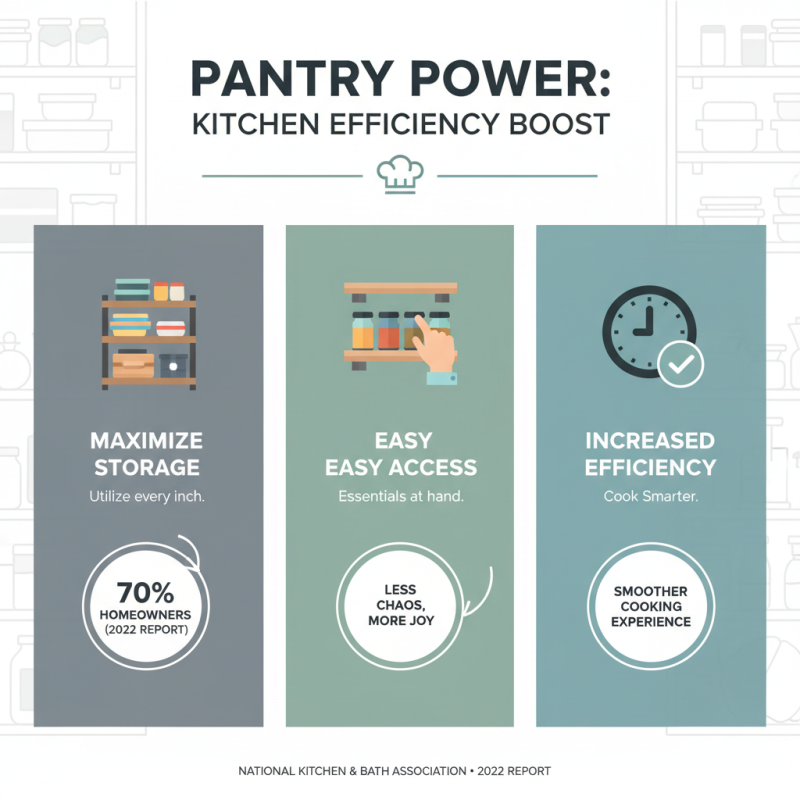
Pantry shelving plays a crucial role in organizing kitchen spaces. It helps maximize storage while keeping essential items within reach. According to a 2022 report by the National Kitchen & Bath Association, 70% of homeowners find that proper shelving increases kitchen efficiency. With well-organized pantries, cooking becomes less chaotic and more enjoyable.
Efficient pantry shelving provides many benefits. It creates designated spaces for specific items, reducing clutter. Items can be categorized based on usage. For instance, you might store baking supplies on one shelf and canned goods on another. This arrangement helps save time when cooking. A survey showed that 65% of people believe organized pantries reduce meal preparation time.
**Tip:** Consider adjustable shelving. This allows you to modify the space as your pantry contents change. Sometimes, we overestimate how much storage we need. It's essential to regularly assess and declutter pantry items. Don't hold onto expired goods or things you rarely use. Maintaining an organized pantry should be a continuous process rather than a one-time task.
Tips for Maximizing Space with Pantry Shelving Solutions
Pantry shelving offers a range of solutions for improving kitchen organization. A well-organized pantry not only enhances efficiency but can also positively impact meal preparation. According to industry reports, an organized pantry can reduce food waste by up to 25%. This is significant, especially considering that the average household wastes approximately $1,500 worth of food each year. By maximizing space with effective shelving, you can better track your supplies.
Using adjustable shelves can help you personalize your pantry layout. This flexibility allows for taller items such as cereal boxes or kitchen appliances. Installing pull-out drawers can save time, making it easier to access items at the back. However, many people still overlook the importance of vertical space. Properly utilizing this can maximize storage capacity. Be mindful, though; clutter can quickly accumulate if not organized regularly.
Many kitchens have awkward spaces that often remain unused. Corner shelving units are a perfect solution for these areas. They can transform a challenging spot into functional storage. However, insufficient organization here can lead to frustration. It's crucial to regularly evaluate your pantry setup. Without regular assessments, you might find items expiring or not fitting properly. Embracing this process can lead to continuous improvement in your pantry organization.
Maintenance and Care for Pantry Shelving Systems
Maintaining pantry shelving systems is crucial for an organized kitchen. Regular cleaning is essential. Dust and crumbs can pile up quickly, creating health risks. According to a study by the National Sanitation Foundation, 70% of pantries harbor bacteria. Wiping down surfaces with a mild detergent can significantly reduce these risks.
Proper organization also plays a role in maintenance. Grouping similar items together helps you find what you need easily. This reduces the tendency to let items expire. Research shows that 33% of households waste food due to poor organization. Using clear bins or baskets can help you visualize contents. Regularly check expiration dates, and consider a rotating system to keep things fresh.
Inspect your shelving regularly for signs of wear. Look for loose screws or damaged boards. Over time, weight can cause shelves to sag, leading to potential accidents. It's estimated that 32% of kitchen injuries occur due to improper shelving. Investing time in maintenance not only protects your food but also improves the overall kitchen experience.