What is the Purpose of Base Cabinets in Kitchen Design and Renovation
In the realm of kitchen design and renovation, base cabinets serve as a foundational element, influencing both functionality and aesthetics. According to the National Kitchen and Bath Association (NKBA), nearly 90% of homeowners consider base cabinets to be essential in their kitchen layouts, illustrating their pivotal role in maximizing storage and organization. Base cabinets not only support countertops but also provide vital storage solutions, allowing for the efficient organization of kitchen essentials, from cookware to pantry items.
Furthermore, studies show that effective kitchen design can enhance the overall value of a home, with well-planned base cabinets contributing to an estimated 80% of a kitchen’s functionality. By incorporating ergonomic designs and maximizing space utilization, homeowners can significantly improve their cooking experience. In addition to their practical use, base cabinets play a critical role in defining the visual appeal of the kitchen, with styles ranging from contemporary to traditional, thereby enabling homeowners to reflect their personal tastes and preferences. As trends evolve, the thoughtful selection and design of base cabinets remain integral to creating a functional, attractive kitchen space.
Purpose of Base Cabinets: An Overview in Kitchen Design
Base cabinets play a crucial role in kitchen design and renovation, serving not only as foundational elements but also as functional storage solutions. According to the National Kitchen and Bath Association (NKBA), nearly 90% of homeowners prioritize storage in their kitchen design, highlighting the significance of well-planned base cabinets. These cabinets offer a practical way to house cookware, utensils, and pantry items while enhancing the aesthetic appeal of the kitchen. The layout of base cabinets can significantly influence workflow, ensuring that essential items are within reach and promoting an efficient cooking environment.
When selecting base cabinets, consider the design style that aligns with your kitchen’s theme. Open shelving options can create an illusion of spaciousness, while traditional closed cabinets offer a cleaner look. Additionally, incorporating pull-out drawers or lazy Susans can maximize storage potential in often-overlooked spaces.
Tips: To enhance functionality, think about integrating different heights of base cabinets based on your household's needs. For example, a higher cabinet can serve as a convenient serving area during gatherings, while lower cabinets can provide easy access for children. Utilizing soft-close hinges can also improve the usability of your cabinets, ensuring quiet and smooth operation.
Storage Efficiency: Maximizing Space with Base Cabinets
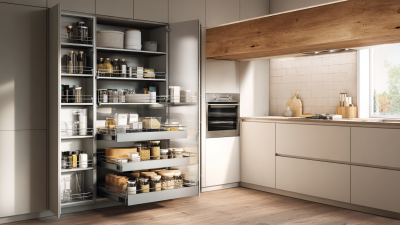
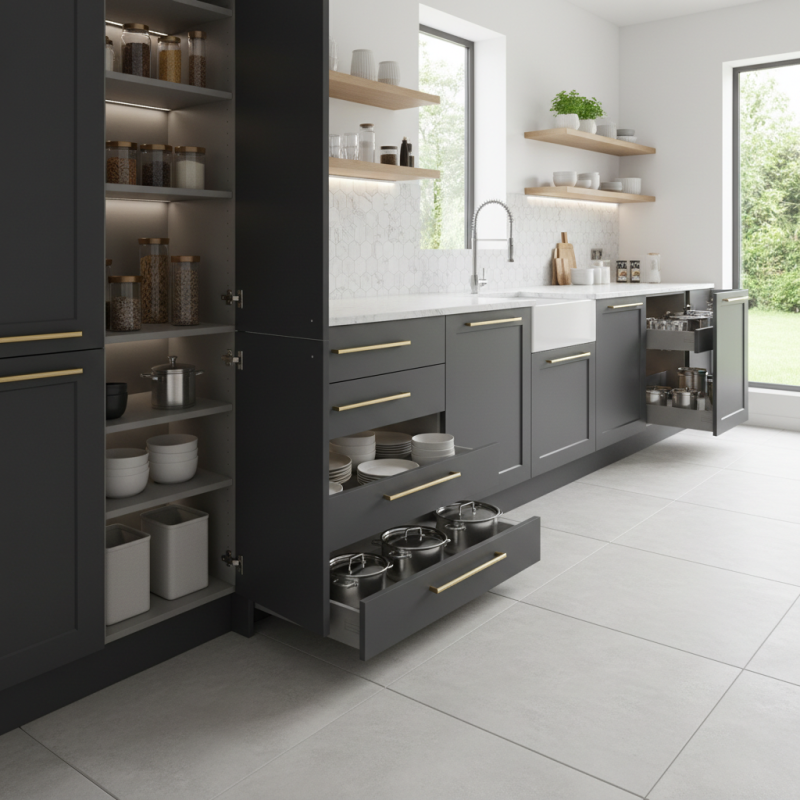
Base cabinets are a fundamental element in kitchen design, playing a crucial role in enhancing storage efficiency. Positioned at the lower section of kitchen layouts, these cabinets provide easy access to essential items while maximizing the use of floor space. Their sturdy construction makes them ideal for holding heavier kitchen essentials, from pots and pans to small appliances. By integrating drawers, pull-out shelves, and other organizational features, base cabinets can significantly improve the accessibility of kitchen tools, making cooking and meal prep more efficient.
In addition to functionality, base cabinets can transform the overall aesthetics of a kitchen. When designed thoughtfully, they help create a cohesive look that complements the kitchen’s style. Customizing the sizes and configurations of these cabinets can lead to optimized storage solutions that fit seamlessly into the available kitchen area. This strategic design not only maximizes vertical and horizontal space but can also incorporate innovative storage solutions like corner cabinets or pull-out spice racks, giving homeowners the flexibility to utilize every inch wisely. With the right approach, base cabinets become much more than mere storage units; they are vital contributors to a stylish and highly functional kitchen.
Ergonomics in Kitchen Design: The Role of Base Cabinets
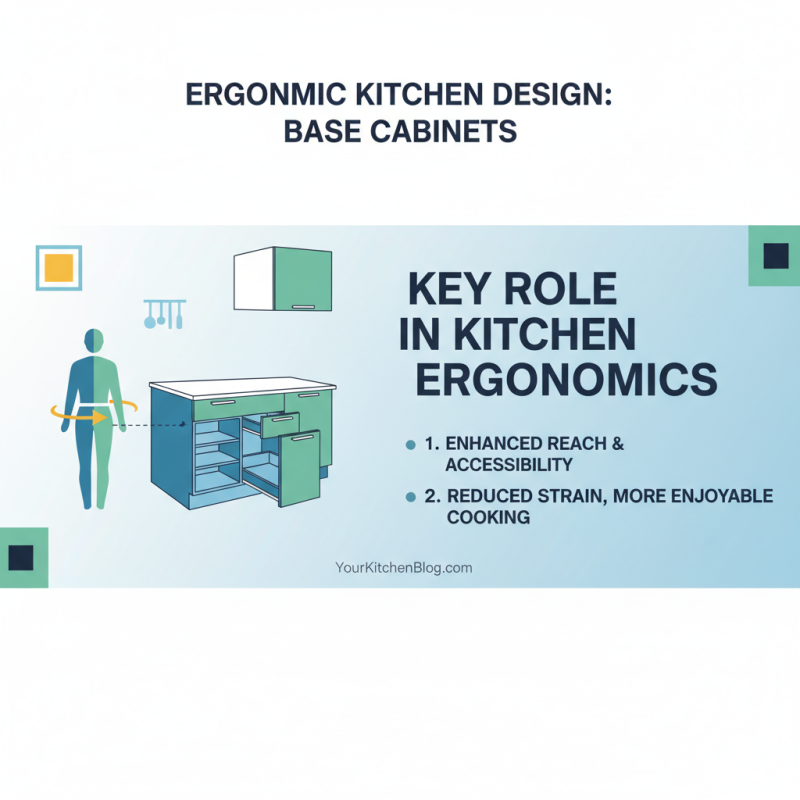
Base cabinets play a crucial role in kitchen design, particularly regarding ergonomics. These foundational elements not only provide essential storage but also contribute to a more efficient and user-friendly workspace. When strategically placed and designed, base cabinets can enhance reachability and accessibility in the kitchen, minimizing the need for awkward bending or stretching. This is especially important for individuals who spend considerable time cooking and preparing meals, as it can reduce strain and promote a more enjoyable experience.
Tips for optimizing the ergonomics of your kitchen base cabinets include ensuring that the counter height aligns with the users' average height, allowing for comfortable meal preparation and cooking. Additionally, incorporating pull-out shelves or drawers can help keep frequently used items within easy reach, preventing the need to crouch down or rummage through deep spaces. Positioning base cabinets close to the cooking area can streamline the workflow, making tasks more intuitive and efficient.
Furthermore, integrating soft-close mechanisms and sturdy handles can improve usability, providing a seamless interaction with these essential kitchen components. It’s essential to consider the overall layout of your kitchen, as an ergonomic design not only enhances functionality but also contributes to a cohesive and aesthetically pleasing environment. Thoughtful selection and placement of base cabinets can significantly elevate the kitchen experience, merging design with practicality.
Aesthetic Considerations: Base Cabinets in Kitchen Style
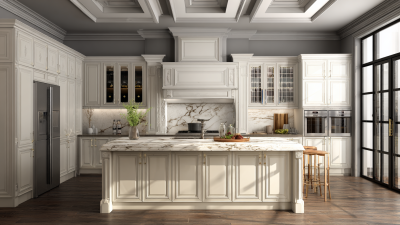
In kitchen design and renovation, base cabinets serve as a foundational element that marries both aesthetics and functionality.
The style and finish of these cabinets can significantly influence the overall look of the kitchen.
According to a report by the National Kitchen and Bath Association (NKBA), nearly 90% of homeowners prioritize cabinetry when making design choices.
This emphasizes the importance of base cabinets as a primary design feature, whether for a modern, farmhouse, or traditional aesthetic.
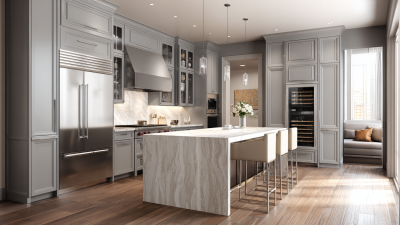
When selecting base cabinets, consider color, texture, and hardware, as these elements can dramatically alter the room’s ambiance.
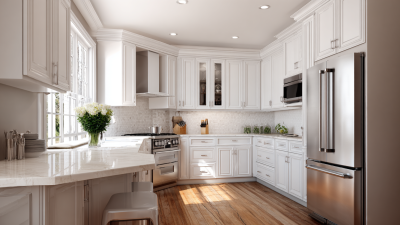
For instance, light-colored cabinets can create an illusion of space, making the kitchen feel larger, while rich woods can add warmth and character.
To enhance the aesthetic appeal, integrating decorative hardware can elevate the design, contributing to a cohesive look that aligns with the kitchen’s overall style.
Tips:
- Pair open shelving with base cabinets to create visual interest and balance in the kitchen design.
- Consider using contrasting colors for your base cabinets and countertops to make a bold statement while ensuring the aesthetics remain harmonious.
- Incorporate lighting under the cabinets to highlight textures and colors, adding depth to your kitchen's visual appeal.
Material Choices: Impact on Durability and Functionality of Base Cabinets
When considering base cabinets in kitchen design and renovation, the choice of materials is crucial for both durability and functionality. Base cabinets not only support countertops but also house essential kitchen appliances and storage. According to the National Kitchen and Bath Association (NKBA), over 80% of kitchen renovations prioritize quality materials for cabinetry, emphasizing their importance in longevity and user satisfaction. Common materials include plywood, medium-density fiberboard (MDF), and solid wood, each with distinct advantages. For instance, plywood is often lauded for its strength and resistance to warping, making it ideal for humid kitchen environments.
The impact of material choice extends beyond mere aesthetics; it directly influences maintenance and longevity. A study by the Remodeling Magazine indicated that kitchens featuring higher-grade materials tend to see a return on investment (ROI) of over 80% during resale. This statistic highlights the financial implications of selecting durable materials, as quality base cabinets can withstand the wear and tear of a busy kitchen. Additionally, features such as water-resistant finishes and easy-clean surfaces enhance the day-to-day functionality of base cabinets, making them indispensable in modern kitchen designs. As homeowners increasingly focus on resilience and practicality, the material selection for base cabinets remains a pivotal aspect of any kitchen renovation project.
Impact of Material Choices on Durability and Functionality of Base Cabinets