What is the Purpose of Upper Cabinets in Kitchen Design?
Upper Cabinets play a crucial role in kitchen design, serving as both functional storage and a design element. Renowned kitchen designer Jane Smith emphasizes their importance by stating, "Upper Cabinets define the kitchen’s style and provide essential organization." The visual appeal of these cabinets can influence the entire kitchen atmosphere, making them a focal point for homeowners.
Beyond aesthetics, Upper Cabinets must be practical. They hold dishes, spices, and other essentials. However, misalignment of form and function can lead to frustration. Too high, and items become unreachable; too low can disrupt workflow. Striking a balance is essential for efficiency.
Reflecting on the relationship between practicality and design is important. Homeowners should consider their needs and space constraints. Not every Upper Cabinet option suits every kitchen. Exploring different materials and styles can lead to better choices. The journey of selecting Upper Cabinets often requires thoughtful reflection and adjustments.
Definition and Overview of Upper Cabinets in Kitchen Design
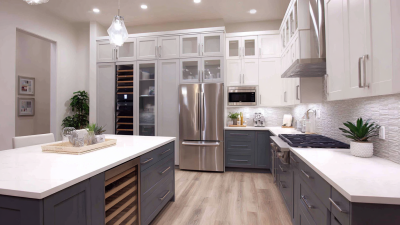
Upper cabinets are essential in kitchen design, serving multiple purposes. They provide crucial storage space for dishes, cookware, and pantry items. By positioning them above counters, they utilize vertical space effectively. This arrangement keeps the kitchen organized and clutter-free, contributing to a more functional cooking environment.
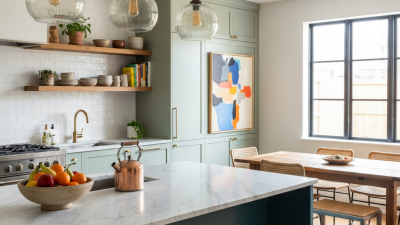
From a design perspective, upper cabinets add character to the kitchen. They can be customized in various styles, colors, and finishes. This allows homeowners to express their personal tastes. However, too many upper cabinets can overwhelm the space. It may be worth considering open shelving as an alternative for a lighter look.
Accessibility is another critical factor. Not everyone can reach the top shelves easily. In some cases, homeowners might find themselves using a stool to access items. This can be inconvenient and potentially unsafe. Thoughtful planning can ensure that upper cabinets meet both aesthetic and practical needs in a kitchen.
Functional Role of Upper Cabinets for Storage and Organization
Upper cabinets are essential in kitchen design, providing functional storage and organization. According to the National Kitchen and Bath Association, 75% of homeowners prioritize cabinetry in their design. These cabinets keep essential items easily accessible and out of sight, promoting a tidy appearance.
For optimal use of upper cabinets, consider the arrangement. Place frequently used items at eye level. Less-used items can go higher, keeping your kitchen functional. Adjusting shelves can create space for larger items. The average kitchen has 20% of its space dedicated to upper cabinets, yet many overlook ways to maximize this area.
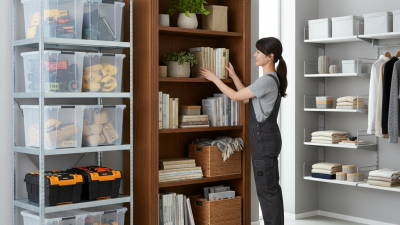
Tips: Use labeled bins or containers to organize small items. Regularly declutter your cabinets to maintain efficiency. Consider open shelving for decor and practical items alike, balancing beauty and functionality.
Functional Role of Upper Cabinets for Storage and Organization in Kitchen Design
Aesthetic Contributions of Upper Cabinets to Kitchen Style
Upper cabinets play a vital role in kitchen design, marrying practicality with aesthetic appeal. These cabinets not only provide essential storage but also shape the kitchen's overall style. With the right design, upper cabinets can act as focal points, enhancing the visual interest of the space. According to a report by the National Kitchen and Bath Association (NKBA), 80% of kitchen remodelers prioritize aesthetics, highlighting the importance of cabinets in making a statement.
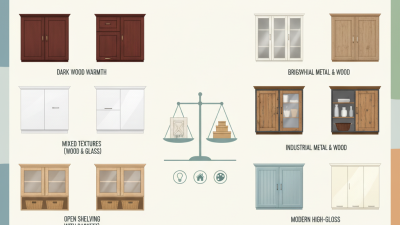
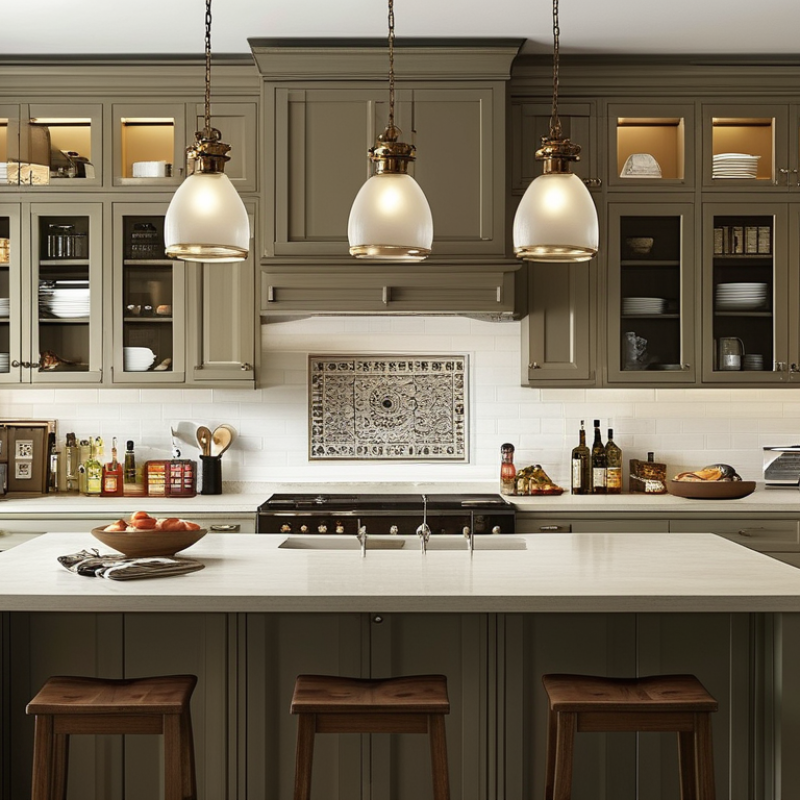
Choosing the right materials and colors is critical for aesthetic success. Light colors can create a feeling of openness, while darker shades add depth and warmth. Glass-fronted cabinets can display dishware and add texture. It is important to consider balance; overly bulky cabinets may overwhelm a small kitchen. Striking the right balance between function and form is key.
Tip: When selecting upper cabinets, think about how they will interact with other elements in the kitchen, such as countertops and flooring. Pay attention to scale. Too large or too small can disrupt harmony. Also, consider open shelving as an alternative to closed cabinets, which can introduce airiness. Balancing practicality with style can lead to stunning designs.
What is the Purpose of Upper Cabinets in Kitchen Design? - Aesthetic Contributions of Upper Cabinets to Kitchen Style
| Design Element |
Aesthetic Contribution |
Material Options |
Color Choices |
| Cabinet Style |
Enhances overall kitchen theme |
Wood, MDF, Particleboard |
White, Grey, Navy Blue |
| Finish Type |
Adds texture and depth |
Matte, Glossy, Textured |
Pastels, Bold Colors, Neutrals |
| Cabinet Hardware |
Complements kitchen decor |
Brass, Stainless Steel, Ceramic |
Metallic Finishes, Color Coated |
| Lighting Options |
Highlights cabinetry and workspace |
LED strips, Pendant lights |
Warm White, Cool White |
Different Styles and Materials of Upper Cabinets Available
Upper cabinets serve not just a functional purpose, but they also enhance the overall aesthetic of the kitchen. When it comes to styles, options abound. For a modern look, sleek, frameless cabinets can create a clean silhouette. Shaker-style cabinets, with their simple lines and classic appeal, suit both traditional and contemporary homes.
Materials also play a pivotal role in choosing upper cabinets. Plywood offers durability and can be finished in various ways. Solid wood, while beautiful, can be more costly and may require careful maintenance. Thermofoil is a budget-friendly choice that resists moisture. However, it may not have the same longevity as wood.
Exploring different styles and materials for upper cabinets reveals both potential and challenges. Each option has its pros and cons. For instance, while glass-front cabinets can create an inviting display, they require constant upkeep to look their best. It’s essential to consider how your choices impact functionality and style.
Considerations for Choosing the Right Upper Cabinets for Your Space
When choosing upper cabinets for your kitchen, size and height are crucial. A study from the National Kitchen and Bath Association reveals that 42% of homeowners prefer cabinets that reach the ceiling. This maximizes storage while enhancing visual appeal. However, long-term accessibility should be considered. Ensure that even the uppermost shelves are reachable or styled in a way that items are displayed but not lost to dust.
Materials also play an essential role in the selection process. According to the American Wood Council, solid wood offers durability, while plywood and MDF have gained popularity due to their cost-effectiveness and versatility. Each material brings its own texture and warmth to the design. However, craftsmanship varies widely. Low-quality builds may warp or sag, so it’s essential to invest in trusted suppliers.
Don’t overlook the importance of color and finish. Neutral tones can create a timeless look, yet they might feel sterile if overused. A pop of color can enliven the space, but be wary of trends that fade quickly. Balancing aesthetics with functionality often leads to tough decisions. The right cabinets should serve both your design goals and practical needs.