Sliding Doors Buying Guide What You Need to Know?
Choosing the right sliding doors can transform a space. In the words of John Smith, an expert in architectural design, "Sliding doors offer both function and a touch of elegance." His expertise highlights the importance of thoughtful selection.
Sliding doors provide accessibility and style. However, many overlook key factors when buying. It's essential to consider material, size, and functionality. Common mistakes include ignoring the space available or choosing poor-quality products. These errors can lead to dissatisfaction.
Investing time in research pays off. Examine your options carefully. Selecting a sliding door involves balancing aesthetics with practical needs. Don’t rush the decision; the right choice enhances both comfort and design in your home. Sliding doors should fit seamlessly into your lifestyle while providing beauty.
Factors to Consider When Choosing Sliding Doors for Your Home
Choosing sliding doors for your home requires careful thought. Start with the material. Options include wood, vinyl, and aluminum. Each offers unique benefits. Wood brings warmth but needs maintenance. Vinyl is low-maintenance and energy-efficient. Aluminum frames are sleek and modern but can be less insulating.
Next, consider the door's size and style. Standard sizes may not fit unique openings. Custom options available. Sliding doors can enhance your home's look, combining aesthetics with function. Think about how they will fit your space. Will they open into a room or lead outside? The placement matters.
Don't forget about security features. Sliding doors can be vulnerable points in a home. Look for reinforced locks and shatter-resistant glass. Evaluate the door's ease of use. It should glide smoothly without much effort. Test a few models. Pay attention to the sound. A noisy door may indicate a problem. Assess all these factors carefully before making a decision.
Understanding Different Types of Sliding Doors and Their Materials
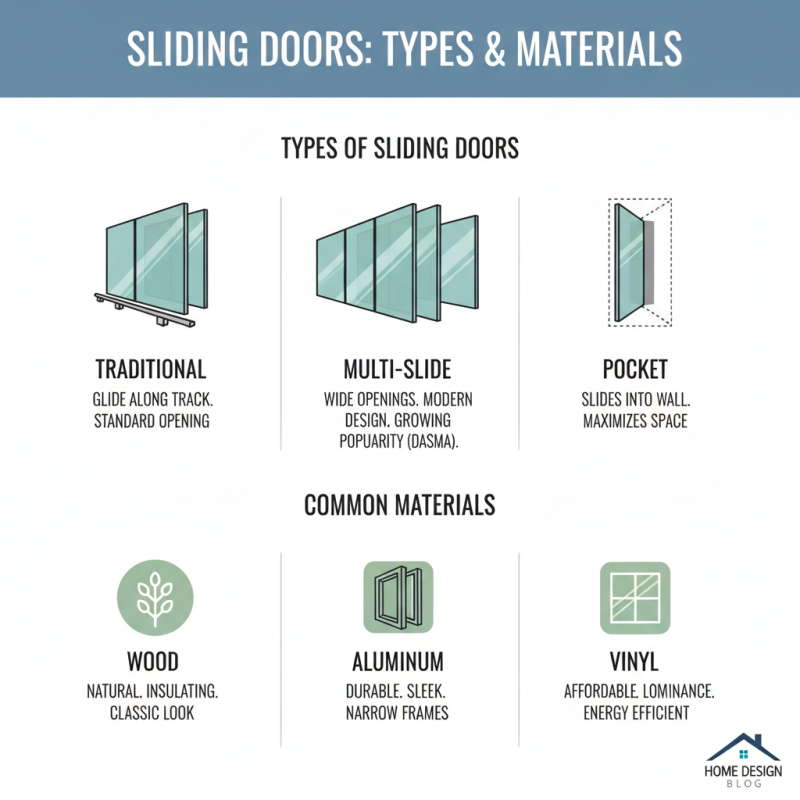
When it comes to sliding doors, understanding the types and materials is crucial for making informed purchases. There are primarily three types of sliding doors: traditional, multi-slide, and pocket doors. Each serves a unique purpose and aesthetics in a space. Traditional sliding doors glide along a track, while multi-slide doors provide wider openings. Pocket doors slide into the wall, maximizing floor space. A recent report from the Door & Access Systems Manufacturers Association (DASMA) emphasizes the growing popularity of multi-slide designs, driven by modern architectural trends.
Materials for sliding doors significantly impact durability and maintenance. Common options include wood, vinyl, fiberglass, and aluminum. Wood offers warmth but requires regular upkeep. Vinyl is low-maintenance and often used for energy efficiency. Aluminum provides a sleek look with high resilience. According to market research by Statista, fiberglass sliding doors are gaining momentum due to their excellent insulation properties and design flexibility.
Tips: Consider your climate when selecting materials. For areas with extreme weather, opt for energy-efficient options. Always check manufacturer's specifications for proper installation guidance. Ensure your track system is sturdy; a weak track can lead to operational issues. Reflect on your lifestyle needs. High-traffic areas may benefit from more durable materials.
Cost Analysis: Budgeting for Purchasing and Installing Sliding Doors
When budgeting for sliding doors, it's crucial to consider both purchasing and installation costs. Industry reports suggest that the average cost of sliding doors ranges from $300 to $3,000. This variation largely depends on the materials used and the complexity of the installation. For instance, custom models or higher-end materials like fiberglass or wood may elevate the price significantly. Installation costs can also vary, typically between $100 and $300, depending on the contractor's expertise.
Tip: Always get multiple quotes from contractors. Comparing prices helps ensure you receive a fair estimate. While considering DIY installation can reduce costs, assess your skill level to avoid potential issues.
Remember that maintenance costs can add up over time. Glass doors, for instance, require regular cleaning and may need seal replacements. According to industry data, homeowners may spend an additional 10% annually on maintenance for sliding doors. Don't overlook these ongoing expenses when planning your budget. Prioritize quality and durability, as investing in better products can save money long-term.
Energy Efficiency in Sliding Doors: What the Data Shows
Energy efficiency is crucial in modern home design, and sliding doors play a significant role. According to the U.S. Department of Energy, poorly insulated doors can account for over 30% of energy loss in residential structures. Selecting energy-efficient sliding doors can significantly reduce heating and cooling costs. High-performance models with low-E glass and insulated frames help maintain interior temperatures, enhancing overall comfort.
When shopping for sliding doors, consider the Energy Star ratings. Doors labeled as Energy Star approved meet rigorous standards for energy efficiency. Additionally, triple-pane glass significantly increases insulation compared to double-pane options. Opting for energy-efficient doors can reduce your energy bills by up to 20%, based on reports from the American Architectural Manufacturers Association.
Tips: Always request the thermal performance data before making a purchase. Review installation requirements carefully; poor installation can negate energy savings. Invest in proper weather stripping for added efficiency. Regular maintenance also helps in maintaining the energy performance over time. Remember, the upfront cost may be higher, but long-term savings and comfort are worth it.
Energy Efficiency in Sliding Doors: Comparison of U-Factor Ratings
Maintenance Tips to Prolong the Lifespan of Your Sliding Doors
Sliding doors are a beautiful and functional addition to any home. However, they require regular maintenance to ensure longevity. Dust and dirt can accumulate in the tracks, leading to poor functionality. Cleaning the tracks regularly is crucial. A simple vacuum can remove loose debris effectively.
Lubrication is equally important. Use a silicone-based spray to keep the tracks running smoothly. Avoid oils that can attract more dirt. Inspect the seals for wear periodically. Damaged seals compromise insulation and energy efficiency. Replacing worn seals can save on energy bills.
Occasionally, check the rollers and hinges. Misalignment can occur, which may lead to more significant issues. A simple adjustment can often resolve minor problems. Be mindful of the door's weight; excessive force can cause damage over time. Regular attention will help keep your sliding doors looking great and functioning well for years to come.