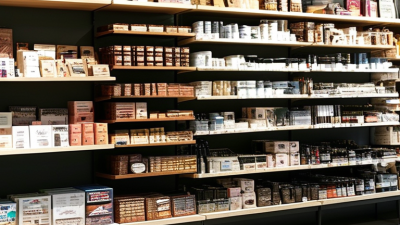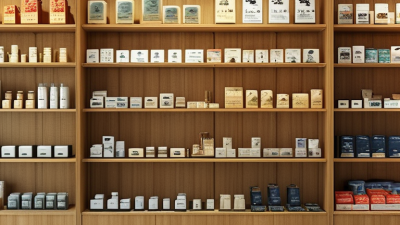
Choosing among China’s top 10 Display Shelves manufacturers is not just a matter of comparing prices. Store fixtures affect product visibility, customer movement, and daily restocking. A grocery aisle may need sturdy steel bays, while a cosmetics counter may call for compact shelves with clean edges and adjustable tiers. The right supplier should understand both the products and the space around them. Small details matter.
A useful comparison looks beyond catalog photos. Buyers can ask about material thickness, shelf load capacity, finish options, dimensional tolerances, and assembly requirements. Request drawings or samples when possible, and check whether the proposed design fits your store layout. Packaging deserves attention too; scratched panels or missing fasteners can delay installation. That takes checking. Clear answers and consistent specifications are practical signs of a capable manufacturing partner, though they are not guarantees.
This article introduces ten Chinese manufacturers serving different retail display needs, from standard gondola shelving to customized shop fixtures. It is a starting point, not a definitive ranking: capabilities, lead times, and service can change, and a suitable supplier for one project may not suit another. Compare each company against your own requirements, and confirm product details directly before placing an order. There is no shortcut. A careful review can help you balance durability, appearance, budget, and support without assuming that the lowest quote offers the best value.
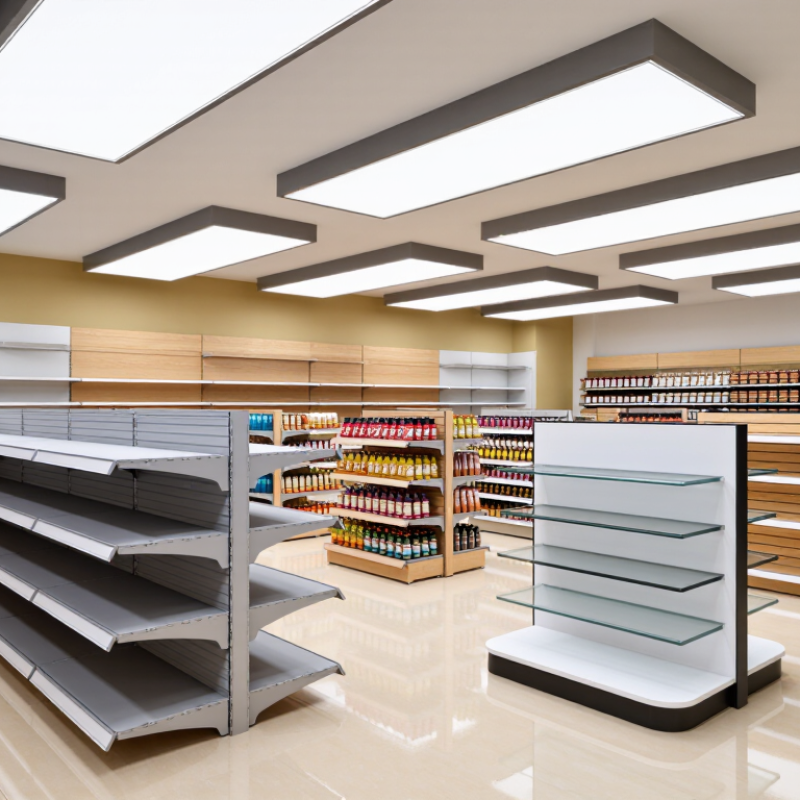
Display shelves are retail fixtures that bring products into view and keep them within easy reach. Common types include wall-mounted shelves, freestanding units, gondola shelving, and countertop displays. Wall shelves make use of vertical space, while gondolas create accessible aisles in supermarkets and larger stores. Countertop units suit small items near checkout areas. Small details matter. Shelf height, depth, and spacing affect both visibility and restocking; a deep shelf can hide short packages at the back.
Materials shape a shelf’s appearance, capacity, and maintenance needs. Powder-coated steel is often used for sturdy store shelving, while wood or wood-based panels can create a warmer look in boutiques. Acrylic and glass let light pass through, though they may show scratches or fingerprints more readily. A practical choice depends on product weight, customer traffic, cleaning routines, and the surrounding fixtures. A grocery shelf holding canned goods needs different support from a light cosmetics display. Not always. The most attractive option may not be the easiest to refill, and that trade-off deserves a close look before installation. After setup, checking for wobble, sharp edges, and blocked sightlines can reveal problems that drawings missed.
China’s 2024 Retail Sales Reached RMB 48.8 Trillion: Market Context
China’s total retail sales of consumer goods reached RMB 48.8 trillion in 2024, rising 3.5% year on year, according to the National Bureau of Statistics. The figure offers useful context for display shelf manufacturers. It does not mean every retailer expanded or every product category grew. Demand still varied by location, season, and shopping habits. The number is large. Its meaning is less simple.
For a store, shelf choices often come down to practical details: product weight, restocking frequency, aisle width, and available floor space. A compact convenience shop may need narrow, easy-to-replenish units. A supermarket may prioritize adjustable shelves for changing product sizes. These requirements shape material, load capacity, finish, and delivery planning. National sales data can suggest market activity, but it cannot replace conversations with retailers.
Manufacturers serving China’s retail market may benefit from flexible designs and consistent quality checks. Yet price pressure can make durability easy to overlook. That deserves a second look. A shelf that bends under regular use can create replacement costs and disrupt store operations. Retail sales figures provide a broad backdrop, while local store visits and purchase patterns offer more specific clues about what retailers need.
China’s total retail sales of consumer goods reached RMB 48.79 trillion in 2024, up 3.5% year on year. The figures provide market context for retail display and shelving demand; they do not represent sales of display shelves. Source: National Bureau of Statistics of China.
Ranking China’s top 10 display-shelf manufacturers requires more than comparing factory size or catalogue photos. Score verified monthly output, production lines, shift patterns, and control over cutting, welding, coating, and packing. Ask for dated capacity records and a sample order’s inspection trail. A large stated capacity can still hide a bottleneck. Check the actual factory.
Certifications matter when their scope matches the work. The ISO Survey 2022 recorded more than 1.26 million valid ISO 9001 certificates across 189 economies, but certification alone does not prove shelf quality. Verify the certificate’s validity, site, and covered processes. Then inspect weld consistency, coating thickness records, load-test procedures, and packaging checks. Small details count.
Project track record should carry substantial weight. Request three comparable installations, with quantities, delivery dates, and permission to contact clients. The World Bank’s 2023 Logistics Performance Index assessed 139 economies across areas including infrastructure, tracking, and timeliness; these factors help explain delivery risk, but do not rank factories.
Those weights are imperfect. A factory may have strong references but limited public evidence, so record what remains unverified rather than treating a polished presentation as proof.
When comparing display shelf manufacturers in China, look beyond catalog size. A wide product range may include gondola units, wall bays, countertop stands, and wire racks, but not every factory handles each type equally well. Ask which items are made in-house and which rely on outside suppliers. That detail can affect finish consistency and scheduling. Request drawings, material specifications, and photos of completed installations. Useful evidence beats polished promises.
Customization is practical when the supplier can confirm dimensions, load requirements, finishes, and packaging before production. Send a marked-up sketch, even if it is rough. Then check whether the quotation includes sample approval and tooling costs. Delivery lead time needs the same scrutiny. Ask for separate estimates for sampling, production, inspection, and shipping; a single date can hide important delays. Fast is not always better. A compressed schedule may leave little room to correct a color mismatch or unstable joint. Compare written timelines against your own launch date, and ask what happens if a component arrives late. The comparison is not perfectly tidy: suppliers may define “production time” differently. Clarify the starting point, and get each milestone in writing.
China Top 10 Display Shelves Manufacturers?
When comparing display-shelf suppliers, treat the stated load rating as a testable specification, not a sales estimate. Ask whether it means a uniformly distributed load or a concentrated load. A shelf holding 80 kilograms across its surface may behave differently when one heavy item rests near the front edge. Request the test method, shelf dimensions, support arrangement, sample identification, and permitted deflection. For non-domestic storage furniture, EN 16121 and EN 16122 may be relevant; confirm their applicability to the product and intended use. The ISO Survey 2022 reported 1,265,216 valid ISO 9001 certificates worldwide. That figure reflects broad adoption across sectors, not proof that any shelf can safely carry its advertised weight. A certificate is not a load test.
Tips: Verify the certificate’s issuing body, validity, manufacturing site, and scope. Match the tested sample to the quoted shelf. Check load capacity per shelf and for the complete unit, then ask how the rating changes with different spans or mounting methods. Keep the report with the purchase specification. Small detail, big difference. I would still question a clean-looking certificate if the supplier cannot connect it to the factory making the order.