|
North America
|
Warm, flexible dining zones
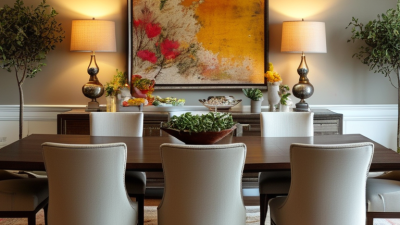
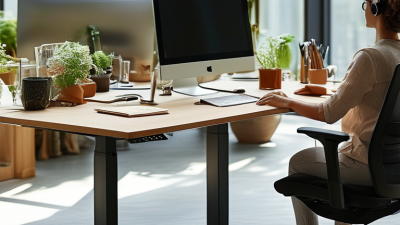
Dining rooms are increasingly designed for everyday meals, remote work, entertaining, and seasonal gatherings rather than formal use only.
|
Warm white
Sand
Clay
Deep green
|
Oak, walnut, textured upholstery, brushed metal, durable matte finishes, and easy-clean performance fabrics.
|
Use an extendable table, upholstered side chairs, and a slim sideboard. Allow approximately 90 cm / 36 in of circulation space around the table where possible.
|
A dimmable pendant or linear chandelier centered above the table, supported by wall lighting or a compact floor lamp.
|
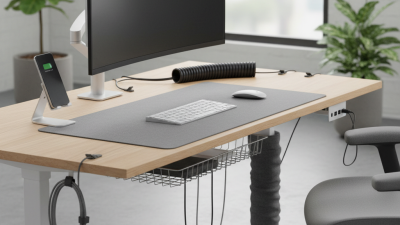
Prioritize stain resistance, cable management, storage capacity, and furniture that can adapt to both daily dining and larger gatherings.
|
|
Western and Northern Europe
|
Quiet naturalism and compact efficiency
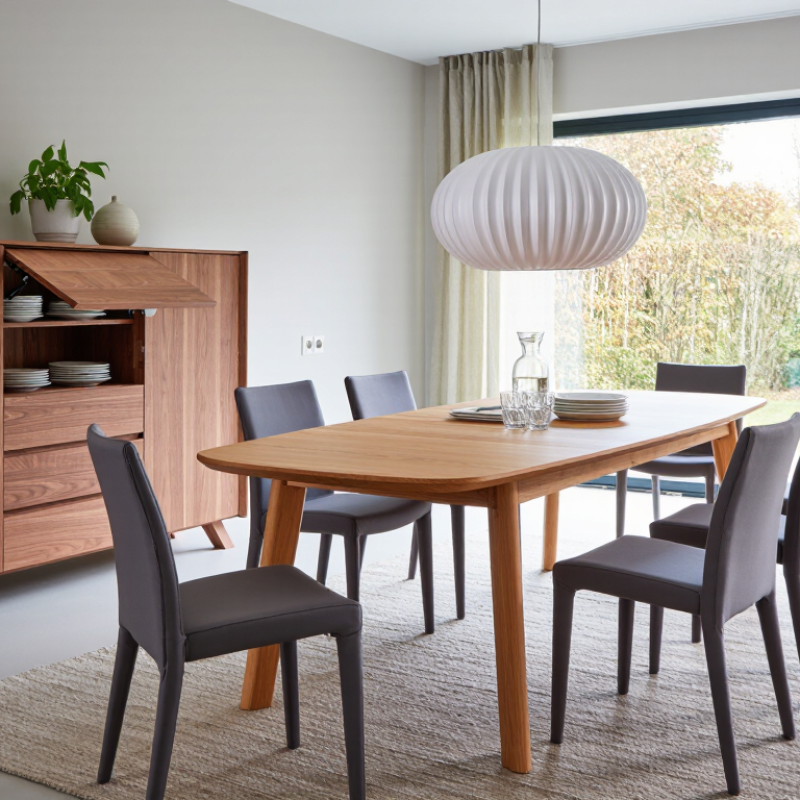
Calm interiors combine restrained forms with tactile natural materials and efficient use of floor area.
|
Chalk white
Greige
Mushroom
Muted blue
|
FSC-certified timber, oak veneer, linen, wool blends, ceramic surfaces, and low-sheen water-based finishes.
|
Choose round or soft-corner tables for smaller rooms. A compact four-seat layout generally benefits from a table around 110–130 cm / 43–51 in in diameter.
|
Sculptural pendants with warm white light, typically around 2700–3000 K, to create a comfortable evening atmosphere.
|
Look for repairable construction, replaceable covers, efficient packaging, and multifunctional pieces suitable for apartments.
|
|
East Asia
|
Minimal warmth and visual calm
The 2026 direction favors uncluttered rooms, low visual contrast, refined craftsmanship, and flexible furniture proportions.
|
Rice white
Natural wood
Charcoal
Muted terracotta
|
Light wood, bamboo, paper-like shades, stone, natural fiber textiles, and finely textured lacquer or matte coatings.
|
Use slim-profile tables, stackable seating, and concealed storage. Rounded corners help improve circulation in compact dining areas.
|
Diffused pendant lighting, concealed indirect light, and adjustable task lighting for dining, reading, or study activities.
|
Favor space-saving proportions, lightweight construction, easy movement, and designs that coordinate with open-plan living spaces.
|
|
South Asia
|
Craft-led modern heritage
Contemporary dining settings pair clean silhouettes with regional craft references, layered textiles, and expressive decorative details.
|
Warm ivory
Saffron
Indigo
Terracotta
|
Solid timber, cane, hand-finished metal, stone, block-printed textiles, and patterned ceramic accessories.
|
A generous rectangular table works well for shared meals. Add a bench on one side to increase seating flexibility and reduce visual bulk.
|
Layered lighting with a central pendant, decorative wall sconces, and warm accent lights for evening entertaining.
|
Select finishes that tolerate heat, dust, and frequent cleaning. Removable textiles and robust joinery are especially valuable.
|
|
Middle East
|
Refined hospitality and textural luxury
Dining rooms emphasize generous seating, strong hosting functions, tactile surfaces, and a balance between modern lines and regional material character.
|
Desert beige
Cream
Olive
Bronze
|
Veined stone, dark or medium timber, boucle, velvet accents, brushed brass, bronze, and artisan ceramics.
|
Use an extendable rectangular or oval table with supportive upholstered chairs. Provide clear space for serving movement and additional occasional seating.
|
A statement chandelier or clustered pendants can be combined with dimmable perimeter lighting and decorative table lamps.
|
Consider humidity variation, dust management, heat-resistant finishes, and fabrics that maintain appearance under frequent entertaining.
|
|
Latin America
|
Color confidence and indoor-outdoor connection
Dining spaces increasingly use natural textures, lively color accents, and layouts that connect interior meals with terraces or courtyards.
|
Off-white
Cobalt
Palm green
Burnt orange
|
Tropical or local hardwoods, woven fibers, terracotta, glazed ceramic, natural stone, and hand-crafted decorative surfaces.
|
Choose sturdy tables with rounded edges and flexible seating. Include a sideboard or open shelving for serving ware and decorative objects.
|
Use woven pendants, wall sconces, and layered ambient lighting to support relaxed meals and social gatherings.
|
Select UV-resistant finishes for bright rooms, breathable fabrics for warm climates, and materials that are easy to maintain.
|
|
Africa
|
Authentic texture and contemporary craft
The strongest direction combines modern functional forms with locally inspired patterns, natural fibers, and visibly tactile surfaces.
|
Sand
Umber
Rust
Indigo
|
Solid wood, woven grass, rattan, hand-worked metal, stone, earthenware, and organic cotton or linen.
|
Select durable tables with generous proportions, paired with mixed seating such as chairs, benches, and occasional stools.
|
Natural-fiber pendants and warm ambient lighting can highlight wall texture, artwork, and crafted accessories.
|
Confirm material traceability, structural durability, humidity suitability, and availability of replacement parts before purchasing.
|
|
Australia and Oceania
|
Relaxed biophilic simplicity
Dining rooms favor natural light, indoor plants, informal hosting, and durable materials that transition easily between indoor and outdoor living.
|
Soft white
Eucalyptus
Stone grey
Ocean blue
|
Native or responsibly sourced timber, stone, cane, linen, recycled fibers, and powder-coated metal.
|
Use a practical oval or rectangular table with lightweight chairs. Maintain clear access to doors, patios, and high-traffic circulation routes.
|
Combine daylight control with dimmable pendant lighting and subtle wall or cabinet illumination for evening use.
|
Prioritize UV stability, moisture resistance, cleanable surfaces, and durable finishes for homes with strong sunlight or coastal air.
|
|
Global Sustainability Priorities
|
Long-life, low-waste dining interiors
Across markets, buyers are placing greater value on adaptable furniture, responsible materials, repairability, and reduced replacement frequency.
|
Natural neutrals supported by long-lasting accent colors rather than short-term seasonal palettes.
|
Certified timber, recycled metal, recycled or natural textiles, low-VOC coatings, durable ceramics, and modular components.
|
Favor extendable tables, replaceable upholstery, knock-down construction, standardized hardware, and multifunctional storage.
|
Use LED light sources, dimmers, efficient controls, and layered illumination to reduce unnecessary energy use.
|
Ask about material origin, care requirements, repair options, packaging, expected service life, and end-of-life recyclability.
|