How to Choose the Perfect Kitchen Layout for Your Home?
Choosing the perfect kitchen layout is crucial for both functionality and aesthetics. According to a report by the National Kitchen and Bath Association (NKBA), over 60% of homeowners prioritize kitchen design in remodeling projects. The right layout can significantly enhance workflow and usability. Renowned kitchen designer, Jane Doe, emphasizes, "A well-thought-out kitchen layout transforms cooking into an enjoyable experience."
Every kitchen layout presents unique challenges and opportunities. Open floor plans offer space but might compromise storage. In contrast, galley kitchens maximize efficiency but can feel cramped. Homeowners often wrestle with these dilemmas, seeking a balance between style and practicality. It's essential to consider personal cooking habits and family dynamics when selecting a layout. Moreover, reflecting on common mistakes, like neglecting adequate storage or counter space, can lead to better decisions.
Ultimately, the perfect kitchen layout should reflect personal needs while incorporating effective design principles. Embracing imperfections in the planning phase can lead to innovative solutions. Think about how your kitchen will evolve over time, as lifestyle changes can impact layout choices.
Understanding Different Kitchen Layout Styles
When considering kitchen layout styles, it's essential to understand the options available. The most popular styles include the L-shape, U-shape, and galley layouts. Each has distinct advantages, reflecting different needs and preferences.
The L-shape encourages an open feel, perfect for smaller homes. It offers ample counter space, though the corners might feel a bit challenging to utilize fully.
The U-shape layout provides a more enclosed design. It surrounds the cook with storage and countertops. However, it can become cramped if too many people work in the kitchen simultaneously.
The galley layout, with its parallel counter design, maximizes space efficiency. This style works great for narrow kitchens but can feel tight. It may require careful organization to avoid chaos during meal prep.
Consider visibility and flow when choosing. Open layouts are great for interaction, but may lack privacy. Closed layouts provide focus but can feel isolating. Each layout has strengths and weaknesses. Reflect on how you cook and entertain. Dreaming of a perfect layout is natural, but each option requires adjustment and thought. Make a list of priorities to guide your decision-making.
Assessing Your Space: Measuring and Planning
When planning the perfect kitchen layout, assessing your space is crucial. Start by measuring the dimensions of the kitchen. Use a tape measure to ensure accuracy. Note the placement of doors, windows, and any fixed features. Sketch a rough floor plan to visualize your layout. This step helps in understanding what can realistically fit.
Once you have your measurements, reflect on your cooking and social habits. Do you often host guests? Consider an open layout for better flow. If you value a clean workspace, parallel or L-shaped designs may suit your needs. Think about the kitchen work triangle. This concept connects the stove, sink, and refrigerator efficiently. However, it can be challenging to achieve in small spaces.
Don’t forget to revisit your sketch. Are you overlooking important details? Is there enough circulation space? Avoid cramming in too many cupboards or appliances. Your plan should feel comfortable, not overwhelming. Keep refining until the layout feels right for your lifestyle.
How to Choose the Perfect Kitchen Layout for Your Home? - Assessing Your Space: Measuring and Planning
| Kitchen Layout Type |
Description |
Ideal Space Size |
Pros |
Cons |
| L-Shaped |
Perfect for open floor plans, allows for a good workflow between preparation, cooking, and cleaning. |
150-250 sq. ft. |
Flexible design, can incorporate an island. |
Limited counter space, might feel cramped if too small. |
| U-Shaped |
Provides ample countertop and storage space, perfect for multitasking. |
200-300 sq. ft. |
Very efficient workflow, excellent for families. |
Can feel enclosed in smaller kitchens. |
| Galley |
Narrow design that features two parallel counters, efficient for cooking. |
100-200 sq. ft. |
Optimizes space usage, great for cooking. |
Limited space for multiple cooks, feels cramped. |
| Island |
Incorporates a central island for additional prep space and seating. |
200+ sq. ft. |
Enhances social interaction, additional storage. |
Requires ample space, can disrupt traffic flow. |
Functionality vs. Aesthetics: Balancing Needs and Design
When designing a kitchen, finding the right balance between functionality and aesthetics is essential. A stylish kitchen might look great, but if it lacks practicality, it can hinder daily tasks. Consider how you will use the space. A functional kitchen layout supports cooking, cleaning, and gathering effectively.
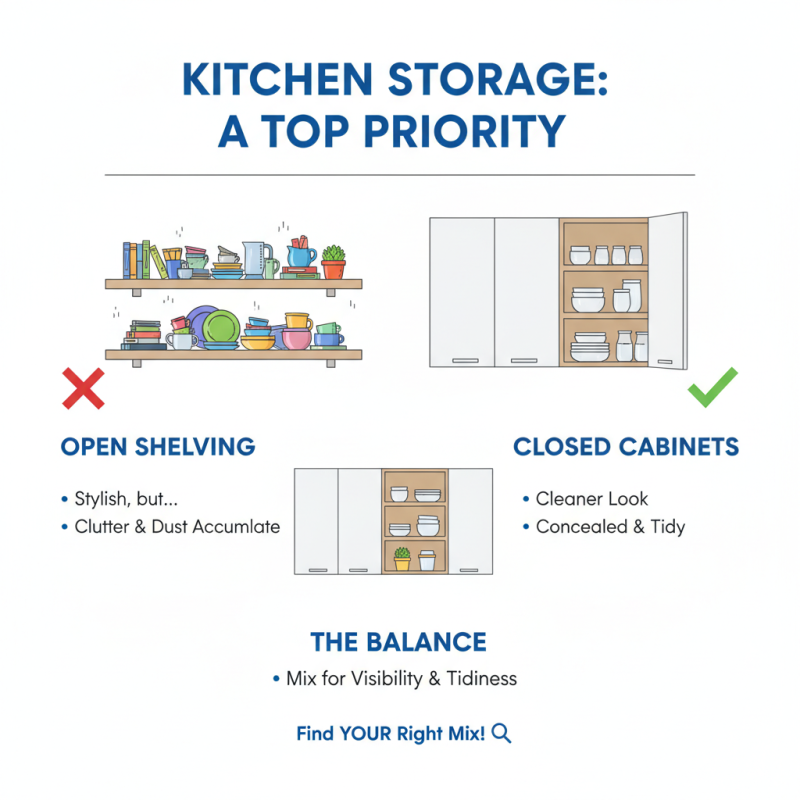
Tips: Prioritize the work triangle. This concept connects the stove, sink, and refrigerator. It ensures efficiency and flow in your kitchen. Pay attention to storage solutions too. Open shelves can look beautiful, but they might not be practical for everyone's needs. Choose a layout that allows enough storage for your cooking tools.
Think about your personal style as well. A sleek modern design may appeal to some, while others may prefer a cozy farmhouse aesthetic. Reflect on what inspires you. Don’t shy away from combining different styles. An eclectic approach can create a unique look. Sometimes, mixing old and new elements might feel daunting, but it can lead to a stunning result. Balancing these considerations is a journey of trial and error.
Kitchen Layout Preferences: Functionality vs. Aesthetics
Considering Traffic Flow and Accessibility in Layout
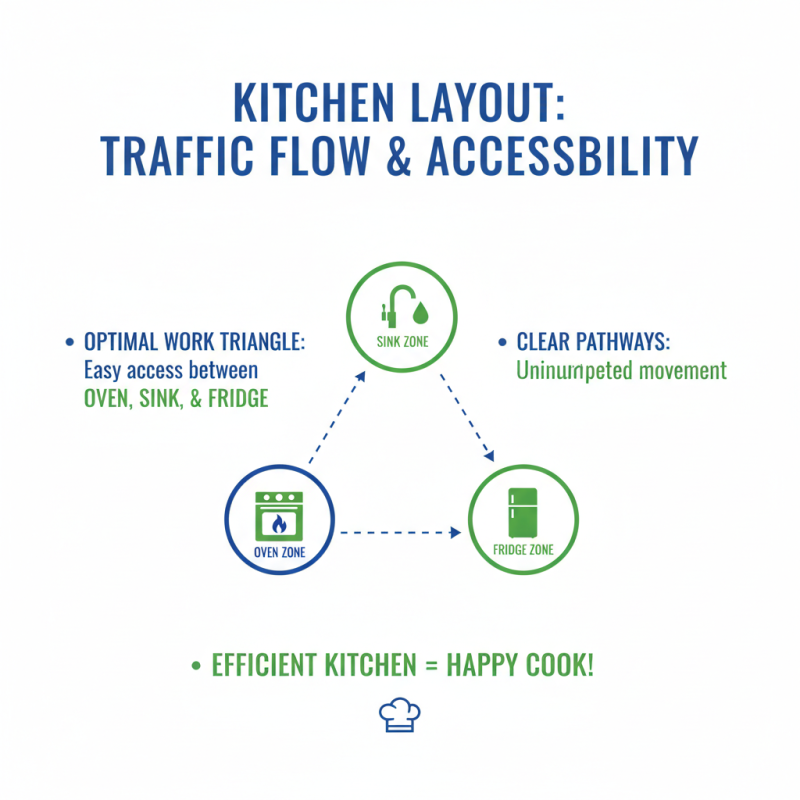
When planning a kitchen layout, considering traffic flow and accessibility is key. Imagine your kitchen bustling with activity. You want to ensure that everyone can move freely. A well-thought-out flow allows for easy access to the oven, sink, and refrigerator. If the distance is too great between these key areas, cooking can become frustrating.
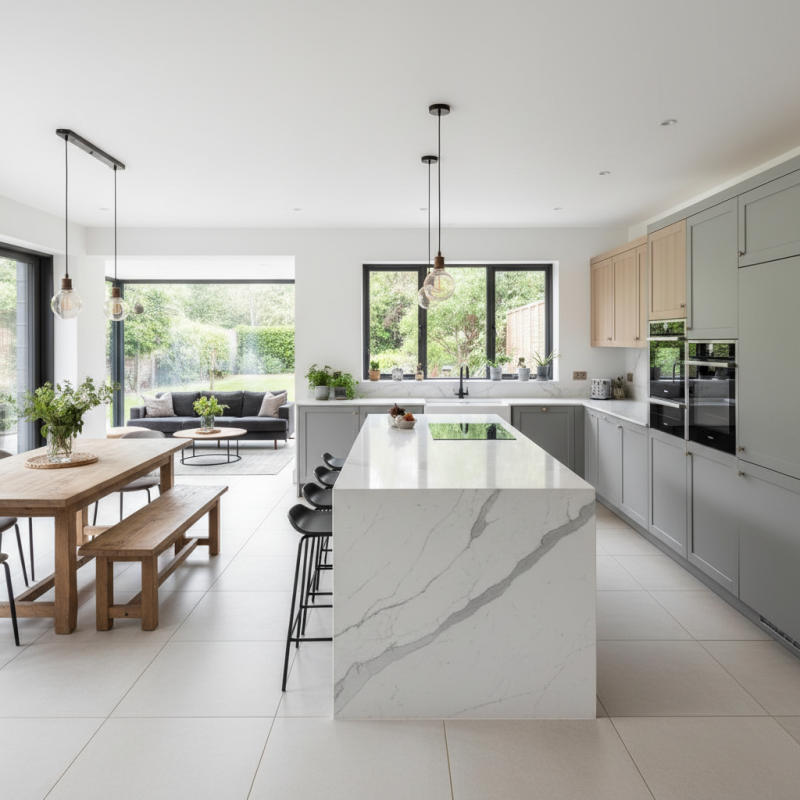
Islands can create bottlenecks if not placed wisely. A central island allows for meal prep but could obstruct movement. Keep pathways clear and wide. Ideally, there should be at least 36 inches of walkway space. This space is essential when multiple people are using the kitchen. In smaller kitchens, consider a galley layout. This can streamline movement while keeping essential work zones close.
Accessibility is another vital aspect. Evaluate the heights of countertops and shelves. Can everyone reach what they need? If you find yourself reaching for items, rethink your design. Make sure storage is organized. A cluttered space can hinder efficiency. Reflect on how your kitchen is used daily. Adapt the layout to your lifestyle. This will enhance both functionality and comfort.