What Is Kitchen Storage and What Types Are Available?
Kitchen Storage is more than a collection of cupboards. It is the planned system that keeps food, cookware, utensils, appliances, and cleaning supplies accessible. A well-designed kitchen may include wall cabinets, base cabinets, drawer units, pantry shelves, corner solutions, and open racks. Each option supports a different task. Pots need strong, low storage. Spices need visibility. Dry goods benefit from adjustable pantry shelves.
The demand for better organization is measurable. The National Kitchen & Bath Association’s 2024 Kitchen Trends Report identifies improved storage and functional layouts as major priorities in kitchen planning. Houzz’s 2024 U.S. Kitchen Trends Study also highlights pantry cabinets, deep drawers, and pullout organizers as popular upgrades among renovating homeowners. These findings reflect practical experience, not only design fashion. People want fewer crowded worktops and faster access to everyday items.
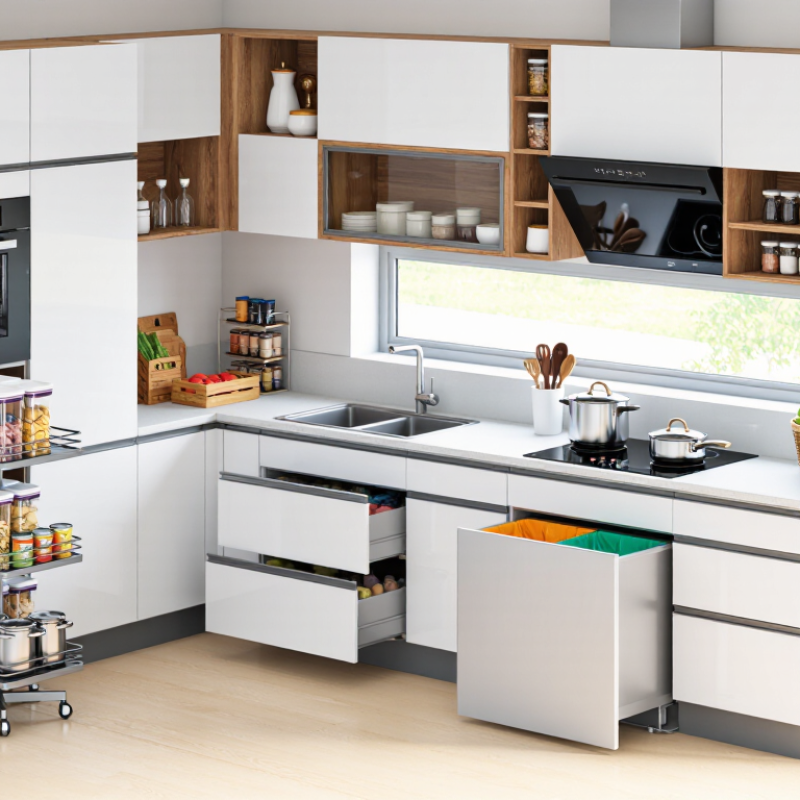
Small details matter. A drawer beside the hob can hold cooking tools. A tall cabinet can hide a vacuum cleaner. A pullout bin can make waste sorting easier. However, storage capacity alone does not guarantee a useful kitchen. Poor measurements, awkward corners, and rarely used accessories can waste both money and space. Reports describe broad preferences, but every household behaves differently. That gap matters.
This guide explains what Kitchen Storage means and compares the main types available. It considers layout, accessibility, materials, maintenance, and changing household needs. The aim is practical clarity, supported by recognized industry research and real-world planning principles.
Kitchen Storage: Definition, Purpose, and Core Functions
Kitchen Storage: Definition, Purpose, and Core Functions
Kitchen storage is the planned use of cabinets, drawers, shelves, racks, and containers. Its purpose is to keep cooking tools, food, and cleaning supplies organized and protected. Good storage reduces clutter and makes daily movement safer. In practice, I place frequently used items near the main work area. A drawer beside the preparation counter can hold knives, measuring spoons, and towels. This small choice saves repeated steps.
Its core functions include containment, visibility, access, and space management. Containment keeps dry food away from moisture and limits dust. Visibility helps users notice expired ingredients before they become a problem. Clear containers can help, but labels still matter. Vertical storage uses wall height for trays, pans, and rarely used equipment. Deep cabinets provide capacity, yet they can hide small items at the back. I have found that excessive compartments sometimes create another kind of clutter.
Available types include base cabinets, wall cabinets, tall units, open shelving, pull-out baskets, drawer systems, and countertop organizers. Base cabinets suit heavy cookware because they reduce lifting strain. Wall cabinets work well for lighter dishes and glasses. Open shelves offer quick access, but they require frequent cleaning. Pull-out systems improve reach inside narrow spaces, although their hardware needs regular inspection. Measurements should include door clearance, walking space, and appliance access. Moisture-resistant materials, stable fittings, and suitable load limits support safer long-term use. Even careful planning can miss one awkward corner. That corner deserves another look.
What Is Kitchen Storage and What Types Are Available?
Kitchen storage includes built-in and movable spaces used to organize cookware, food, dishes, and utensils. Typical cabinet depths vary by function: base and tall pantry cabinets provide deeper storage, while wall cabinets and open shelves are shallower for easier access.
Main Types of Kitchen Storage Systems
What Is Kitchen Storage and What Types Are Available?
Main Types of Kitchen Storage Systems
Kitchen storage systems combine base cabinets, wall cabinets, tall units, drawers, shelves, and pantry solutions. Each type serves a different movement pattern. Base cabinets hold heavy cookware near the worktop. Wall cabinets store lighter items above eye level. Tall pantry units use vertical space for dry goods, small appliances, and cleaning supplies.
According to the Houzz 2024 U.S. Kitchen Trends Study, 76% of renovating homeowners upgraded their cabinets. That figure shows how central storage is to kitchen planning. Deep drawers often improve access to pots and pans. Pull-out pantry shelves can reduce forgotten food at the back. Corner cabinets need careful design, because awkward angles quickly waste usable space. Island storage adds everyday capacity, especially for trays, bowls, and recycling bins.
Open shelving creates a lighter appearance. It also exposes dust and visual clutter. Glass-front cabinets offer visibility, but they demand consistent organization.
In practical installations, drawer dividers, vertical tray racks, and adjustable shelves often deliver more value than extra cabinet volume.
A small kitchen may benefit from ceiling-height cabinets. However, the highest shelf can become decorative rather than useful. That is an overlooked design flaw. Storage should match the user’s reach, habits, and cooking frequency, not only the room’s measurements.
Materials, Features, and Organization Methods
Kitchen storage is the system that keeps food, cookware, utensils, and cleaning supplies accessible without crowding work surfaces. It includes base cabinets, wall cabinets, drawers, pull-out units, pantry towers, open shelves, and corner solutions. Materials affect durability and maintenance. Plywood boxes resist moisture better than particleboard, while laminate surfaces offer easy cleaning. Solid wood adds visual warmth but may expand with humidity. Engineered stone suits heavy-use countertops, although it still needs careful edge protection.
Features should match real cooking habits. Deep drawers hold pots more efficiently than low cabinets, while narrow pull-outs can organize oils beside a cooking zone. Adjustable shelves accommodate changing appliances. Soft-close hardware reduces noise, but poorly aligned runners become frustrating quickly. Houzz’s 2024 U.S. Kitchen Trends Study reported that 76% of renovating homeowners upgraded their cabinetry. That figure suggests storage remains a major renovation priority, not a minor decoration choice. The NKBA 2024 Design Trends Report also identifies pantry storage and layered organization as continuing priorities in kitchen planning.
Organization works best when items stay near their point of use. Store knives and boards beside preparation areas. Keep plates near the dishwasher. Use shallow dividers for lids, trays, and measuring tools. Labelled containers help, but labels can create visual clutter. This is where many systems fail. Measure appliance handles, plumbing gaps, and door swings before ordering cabinets. Leave clearance for hands, not just objects. A beautiful layout can still feel inefficient when frequently used items require two movements instead of one.
Practical Considerations for Efficient Kitchen Storage
What Is Kitchen Storage and What Types Are Available?
Practical Considerations for Efficient Kitchen Storage
Kitchen storage includes cabinets, drawers, shelves, racks, and open areas that keep cooking tools organized. Efficient storage is not only about adding space. It should support safe movement, quick access, and simple cleaning. A well-planned kitchen places frequently used items near the main preparation area. Plates may sit beside the dishwasher, while pans remain close to the cooktop.
Measure before choosing any storage solution. Record wall height, cabinet depth, door swings, and the space needed for appliances. Deep shelves can hold more, but they often hide small containers at the back. Pull-out drawers usually improve visibility. They also need strong hardware and correct weight ratings. Heavy cookware should stay low to reduce strain and prevent falling objects.
Think in working zones.
Group food preparation tools together. Keep dry ingredients in sealed containers away from heat and moisture. Use vertical dividers for baking trays, cutting boards, and lids. A narrow drawer may hold utensils better than a crowded countertop jar. Open shelving can provide convenience, but it collects grease and dust faster than closed cabinets.
I once planned storage around appearance and ignored cleaning time. The result looked neat but felt awkward during busy meals. That mistake still matters. Storage should match real habits, not an ideal routine. Leave some empty space, because completely full cabinets make every task slower. Check hinges, shelves, and drawer movement regularly, especially after installing heavier cookware.