Top Office Supplies Every Global Buyer Should Consider?
In the dynamic world of global commerce, choosing the right office supplies can greatly impact efficiency and productivity. Office supplies are essential for maintaining a well-functioning work environment. Whether it’s high-quality paper or ergonomic chairs, every item plays a role in fostering creativity and collaboration.
Buyers must consider various factors when making selections. The right office supplies do more than just fulfill a need; they enhance the workplace experience. However, many overlook the importance of durability and sustainability. Investing in reliable products is crucial. Poor choices can lead to discomfort and decreased morale among employees.
The landscape of office supplies continues to evolve with technology. Innovative tools are emerging that streamline workflows and enhance communication. Understanding these trends is vital for any global buyer aiming for success. Ultimately, making informed decisions is key. A thoughtful approach to office supplies reflects a commitment to creating a productive workspace.

Essential Stationery Items for Global Buyers to Evaluate
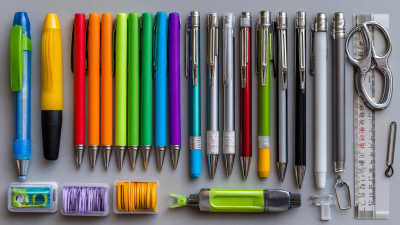
When evaluating essential stationery items, global buyers need to be mindful of their specific needs. The right supplies can enhance productivity and ensure smooth operations. Common items such as pens, notebooks, and sticky notes play a significant role in daily tasks. A quality pen can make a difference in both writing experience and presentation.
Tips: Focus on ergonomics. Choose comfortable pens and notebooks. They will improve your workflow. Consider the variety you're purchasing, too. Not all tasks require the same tools. Different projects might need diverse supplies for efficiency.
Examining paper quality is crucial. Not all papers are created equal. Thicker paper can prevent ink bleed-through and give a more professional appearance. This detail can sometimes be overlooked, yet it impacts presentation quality significantly. Reflect on how your tools affect your output, and try to keep space for improvement in your supply choices.
Technology-Driven Office Supplies: Innovations Worth Considering
Technology is rapidly transforming the landscape of office supplies. Innovations such as smart office tools are gaining traction. According to a recent report by MarketsandMarkets, the global smart office market is expected to reach $48.88 billion by 2025, growing at a CAGR of 24.2%. This growth illustrates the rising demand for technology-driven solutions in office environments.
Smart stationery, like digitizing notepads, integrates seamlessly with smartphones. Users can save handwritten notes directly to their devices. This not only improves efficiency but also reduces paper waste. The Environmental Protection Agency (EPA) reported that paper waste from offices accounts for nearly 25% of all waste produced. Technology-driven office supplies can address this challenge while enhancing productivity.
However, the adoption of these innovations requires careful planning. Not all employees may be tech-savvy. Organizations must offer training to ensure everyone benefits from new tools. Failure to do so can lead to frustration and decreased productivity. As technology continues to evolve, buyer preferences also shift. Companies must stay updated with trends to meet their teams' needs effectively.
Eco-Friendly Office Supplies: Sustainable Choices for Global Procurement
Eco-friendly office supplies have gained significant traction in global procurement. As businesses aim for sustainability, these products offer tangible benefits. According to a 2021 report by the Global Ecolabeling Network, more than 80% of consumers prefer brands committed to environmentally friendly practices. This trend permeates office supplies, influencing buyer decisions.
Recycled paper products, bamboo stationery, and biodegradable packaging are now mainstream choices. In fact, a survey by Eco-Business in 2022 indicated that 68% of organizations reported increased procurement of sustainable office items. These products not only reduce waste but can also lower operational costs in the long run. However, buyers may face challenges, such as higher initial costs and limited availability in some regions.
Implementing eco-friendly supplies requires commitment. Buyers need to evaluate suppliers’ sustainability claims critically. Transparency is key; not all companies meet the necessary standards. A 2023 Deloitte report highlighted that only 30% of firms genuinely comply with sustainability certifications. Scrutinizing the supply chain ensures that procurement decisions align with environmental goals. This process invites reflection on long-term strategies for sustainable growth.
Top Office Supplies Every Global Buyer Should Consider
| Product |
Description |
Sustainability Features |
Usage |
Recyclability |
| Recycled Paper |
High-quality paper made from 100% recycled material. |
Produced with minimal energy use and water. |
Ideal for printing and writing. |
Yes |
| Biodegradable Pens |
Pens made from biodegradable materials that break down naturally. |
Non-toxic materials that reduce plastic waste. |
Perfect for daily writing tasks. |
Yes |
| Eco-Friendly Notebooks |
Notebooks made with recycled paper and sustainable practices. |
Uses soy-based inks and non-toxic adhesives. |
Great for note-taking and planning. |
Yes |
| Bamboo Desk Organizer |
Stylish organizer made from sustainable bamboo. |
Fast-growing and renewable resource. |
Keeps your workspace tidy. |
Yes |
| Non-Toxic Whiteboard Markers |
Markers made with non-toxic, safe inks. |
No harmful chemicals used. |
Ideal for presentations and brainstorming. |
Yes |
Organizational Tools: Maximizing Efficiency in the Workplace
Organizational tools play a crucial role in enhancing workplace efficiency. Without proper organization, tasks can pile up quickly, leading to frustration. A cluttered workspace hinders creativity and productivity. To maximize efficiency, it’s essential to choose the right tools.
One effective method is using planners or digital calendars. They help track deadlines and important meetings. Visual reminders can keep you focused on daily tasks. Notebooks and filing systems also aid in managing information. Keep essential documents organized for easy access. Remember, a tidy desk reflects a clear mind.
Tips: Regularly declutter your workspace. Spend a few minutes each day on organization. Use color coding for files to quickly identify categories. These small changes can lead to significant improvements. An organized environment fosters better decision-making. Reflect on what works and what doesn’t. Adapt tools that fit your workflow style. Experimenting can lead to the best results.
Cost-Effective Bulk Purchasing Strategies for Office Supplies
When it comes to bulk purchasing for office supplies, a strategic approach can save costs while meeting the needs of a global team. Start by analyzing the specific requirements of your office. Evaluate the types of supplies used most frequently—paper, pens, or printer cartridges—so you can prioritize these items for bulk buying. This assessment helps in minimizing waste and ensures that you don’t overstock unnecessary items.
Consider leveraging online platforms that cater to bulk purchases. These platforms often provide discounts for larger orders. Additionally, establishing a relationship with suppliers can lead to better deals. However, not every supplier will meet your quality standards. Always do your research to find those who have a proven track record. Inconsistent quality can create challenges in the workflow, ultimately leading to wasted time and resources.
Buying in bulk isn’t just about quantity; it’s also about timing. Keep an eye on market trends and seasonal sales. This strategy requires flexibility; sometimes, waiting for the right moment might yield the best savings. Remember that the cheapest option isn’t always the best in the long run. Reflect on your procurement process and be open to adjustments based on your experiences. This will enhance your strategy, making it more effective as time goes on.
Top Office Supplies Usage and Cost Analysis