Leave Your Message

What Is a Standing Desk and What Are Its Types?

A Standing Desk lets you work while standing, but it is not simply a tall table. It is a workstation designed to support changes in posture throughout the day. As Cornell University ergonomics expert Alan Hedge puts it, “The best posture is always your next posture.” That advice captures an important point: standing still for hours is not the goal. Your desk should make it practical to alternate positions, adjust your screen, and keep your shoulders relaxed.

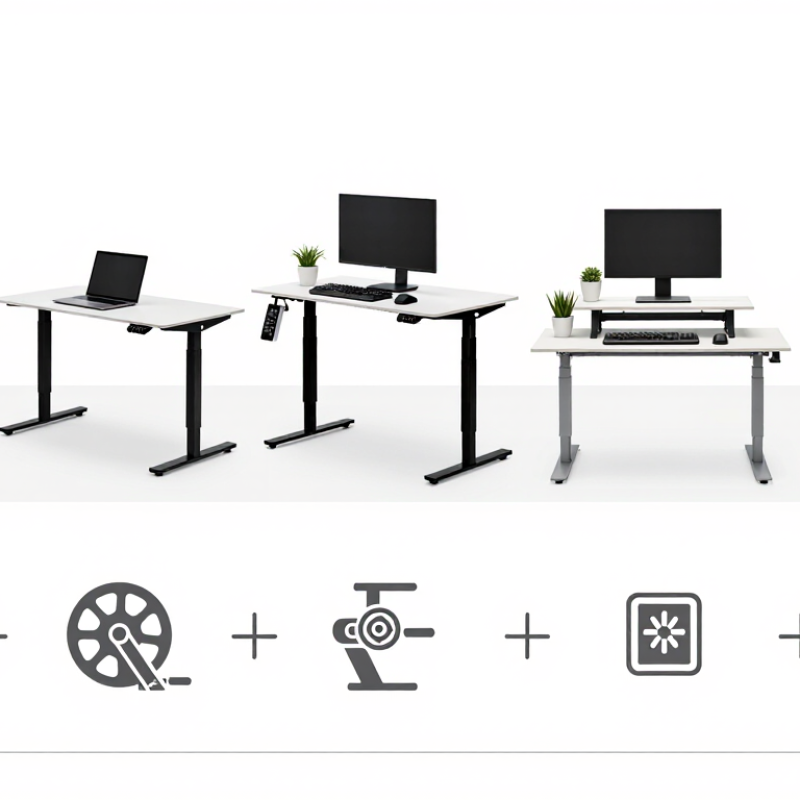
The main types include fixed-height desks, hand-crank models, electric sit-stand desks, desktop converters, and mobile standing desks. Each suits different spaces and budgets. An electric model can shift height with a button; a converter rests on an existing desk and may be easier to install. Look closely at height range, stability, work-surface size, and how the controls feel during daily use. A keyboard set too high can leave your wrists bent, while a monitor set too low may pull your gaze downward. Small details matter. A desk alone cannot guarantee comfort or better health, and the right setup depends on the person using it. Even a well-chosen model may take time to adjust to. This guide explains how the types differ and what to consider before choosing one.
What Is a Standing Desk and What Are Its Types?

Standing Desks Defined: Height-Adjustable Workstations and Core Components

A standing desk is a workstation designed to let you work while standing, sitting, or changing between the two. Many models adjust in height, either by hand or with an electric motor. The desktop supports a monitor, keyboard, and other work items, while a frame and legs carry the load. With electric models, a control panel moves the frame up or down. Some include memory buttons for saved heights.

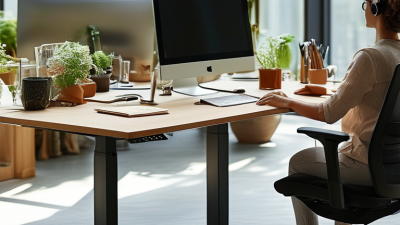
The adjustment range matters more than a feature list. At a suitable height, your shoulders can stay relaxed, elbows can rest near a right angle, and wrists can remain fairly straight. A monitor arm or riser may help place the screen at eye level, but it is not always included. Cables also need slack; a tight cord can snag when the desk rises. That detail is easy to miss.

A stable frame should feel steady during ordinary typing, though wide desktops and tall settings can make wobble more noticeable. Check the desk’s weight capacity against the equipment you use, including monitor arms and accessories. A hand-crank model avoids a motor, but adjusting it takes effort. Electric controls are convenient, yet the mechanism adds parts that may need maintenance. I would not treat standing all day as the goal; alternating positions and taking short movement breaks is usually more practical.

What Is a Standing Desk and What Are Its Types?

A standing desk is a workstation designed to support work while standing. Some models stay at a fixed height, while others let users change the working surface height to alternate between sitting and standing.

Desk Type How Height Is Adjusted Typical Height Range Core Components Common Use Key Considerations
Fixed-height standing desk Height is set during assembly and does not move during use. Fixed; varies by model and intended user height. Work surface, legs or frame, cross-supports, and feet. Dedicated standing workstations and spaces where a consistent surface height is suitable. Simple and stable, but cannot readily accommodate sitting or different users.
Manual crank sit-stand desk A hand crank turns a mechanical drive to raise or lower the frame. Often approximately 27–47 in (69–119 cm); ranges vary by design. Work surface, telescoping legs, crank handle, gears or drive shaft, and frame. Home offices and work areas where powered adjustment is not needed. Does not require a motor, but adjustment takes physical effort and may be slower.
Single-motor electric sit-stand desk An electric motor moves the lifting columns, usually through a linked drive system. Often approximately 27–47 in (69–119 cm); check the specified product range. Work surface, frame, lifting columns, motor, controller, and power supply. Workstations that are adjusted regularly by one user. Convenient powered movement; lifting capacity and movement speed depend on the design.
Dual-motor electric sit-stand desk Motors in the lifting columns raise or lower the desk together through a controller. Often approximately 24–50 in (61–127 cm); varies by frame and configuration. Work surface, frame, two lifting columns, motors, controller, and power supply. Frequent adjustments or setups with heavier equipment, within the desk's rated capacity. Check rated load, stability at full height, and whether the frame fits the user's workspace.
Desktop sit-stand converter A platform on top of an existing desk is raised or lowered, manually or with powered assistance. Adjustment varies by model; the existing desk height also affects the final working height. Upper work platform, keyboard surface on many models, lifting mechanism, and base. Adding a sit-stand option without replacing an existing desk. Uses less setup space, but the platform reduces available desk area and adds weight to the desktop.

Typical height ranges are general examples, not universal specifications. Choose a desk that allows the work surface and screen to be positioned comfortably for the user's body and equipment.
Manual, Electric, and Pneumatic Desks: Three Adjustment Mechanisms

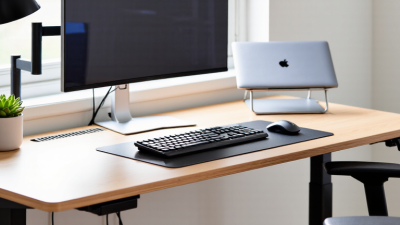
A standing desk lets you raise or lower the work surface, making it easier to alternate between sitting and standing. The right mechanism depends on your budget, workspace, and how often you adjust the height. Manual desks use a hand crank or adjustment handle. They need no power outlet and usually have fewer electrical parts to maintain. Turning a crank can take effort, especially when the desk carries a monitor, books, and a laptop. They can be a practical choice if you rarely change positions.

Electric desks move with a motor, often controlled by buttons on the frame. Some include saved height settings, which can make daily adjustments quicker. Check the desk’s load capacity and listen for unusual noise during movement. A motorized desk needs power, and its cords should not snag when the surface rises.

Pneumatic desks use gas-assisted lifting. Press a lever, then guide the surface upward or downward. They can adjust smoothly without a motor, but the lifting effort may vary with the load. Test the movement with your usual equipment in place; an empty desk may feel different.

Tips: Measure your seated and standing elbow height before buying. Leave room for cables, and check that the frame stays steady at full height. Small details matter.

Converters, Full Desks, and Treadmill Desks: Common Standing-Desk Types

Standing desks come in three common forms, and each fits a different workspace. A desktop converter sits on an existing desk; it is often the easiest option for testing standing work. Check that its platform leaves room for a keyboard and mouse, and that it feels stable when raised. A full height-adjustable desk replaces the work surface and can suit shared offices or people who switch positions often. Measure your chair, monitor, and available floor space before choosing one.

Treadmill desks pair a work surface with a slow-moving walking belt. They can add light movement, but typing while walking may feel awkward at first. Start with short sessions and keep the belt slow; detailed tasks may still be easier while seated. Evidence supports changing posture, not standing all day. A 2018 Cochrane review found sit-stand desks reduced workplace sitting by about 100 minutes per workday in the short term, but the evidence was rated low quality. Results vary, and long-term effects remain uncertain.

Tips: Set the monitor near eye level and keep wrists relaxed. Alternate positions before your legs feel tired. Small changes matter. A converter may wobble, and a treadmill desk takes practice—real drawbacks worth checking before buying.

Ergonomic Fit: OSHA's 28–30-Inch Typical Seated Desk-Height Range

A standing desk lets you work while standing, either for part of the day or between seated tasks. Common types include fixed-height desks, manually adjustable desks, electric sit-stand desks, and converters placed on an existing work surface. The right choice depends on available space, adjustment needs, and how easily you can change positions.

The 28–30-inch seated desk-height range is often associated with OSHA workstation guidance, but it is a typical reference, not a universal fit or fixed requirement. Measure from the floor to the work surface.

When seated, keep your feet flat, shoulders relaxed, and elbows near your sides; your forearms should reach the keyboard without forcing your wrists upward. Small differences matter. A shorter person may need a lower desk or an adjustable chair with a footrest. A taller person may need more clearance beneath the surface.

For standing work, set the surface near elbow height, then check that your neck stays neutral while reading the screen. The first setup may feel awkward. That is useful feedback, though not a diagnosis: adjust one feature at a time and notice where tension appears.

Height alone cannot fix a screen that sits too low or a keyboard placed too far away.

Product Testing: ANSI/BIFMA X5.5-2021 Desk and Table Standards

A standing desk lets users work upright, either at a fixed height or by changing the work surface position. Common types include fixed-height desks, hand-crank models, electric adjustable desks, and desktop converters. The mechanism matters, but so does the frame beneath the top.

ANSI/BIFMA X5.5-2021 sets performance and safety requirements for desk and table products. Its test methods assess areas such as stability, strength, and durability under defined conditions. A useful product test checks the complete setup: frame, fasteners, worktop, and intended configuration. Small details count. A desk can feel solid in a showroom yet wobble when a monitor sits near its edge. The standard is not a promise that every desk suits every user, and electrical or control-system safety may require separate evaluation.

Ergonomics evidence adds context, not a pass mark. A 2018 Cochrane review of 34 studies found sit-stand desks reduced workplace sitting by about 100 minutes per day in the short term; the evidence was rated low quality. That result describes behavior, not structural reliability. Testing cannot fully reproduce years of uneven loading, repeated adjustments, or hurried assembly. That gap deserves attention. A careful buyer should ask which product configuration was tested and whether the test report identifies the applicable X5.5 requirements.