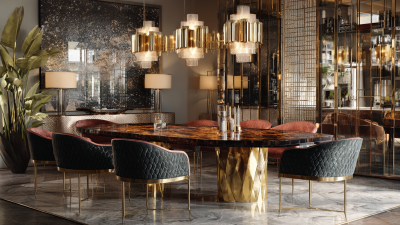
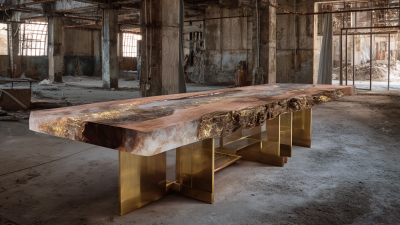
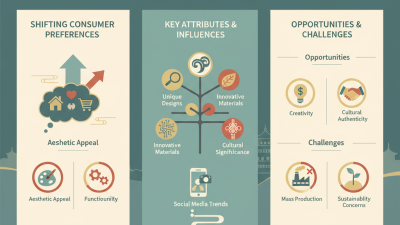
Top 10 Dining Tables for Modern Homes and Stylish Spaces?
Creating a harmonious living space often begins with the right choice of Dining Tables. These essential pieces not only serve a functional purpose but also set the emotional tone of your home. Expert designer Rachel Ashwell once said, “Dining tables are where memories are made.” This underscores the importance of selecting the perfect table for your stylish space.
When choosing a Dining Table, consider your lifestyle and aesthetics. The materials, size, and design should complement your home. A well-thought-out table can enhance gatherings and inspire conversations. It's essential to find a balance between style and practicality. Many tables may look appealing but fail to offer the necessary durability or comfort.
Reflecting on personal preferences can be challenging. You might sway between trends or classic designs. Remember, the ideal Dining Table should reflect not just current styles but your unique taste as well. Every choice brings opportunities for joy and inspiration. It's about more than just function; it's about creating a space where you feel connected and at ease.
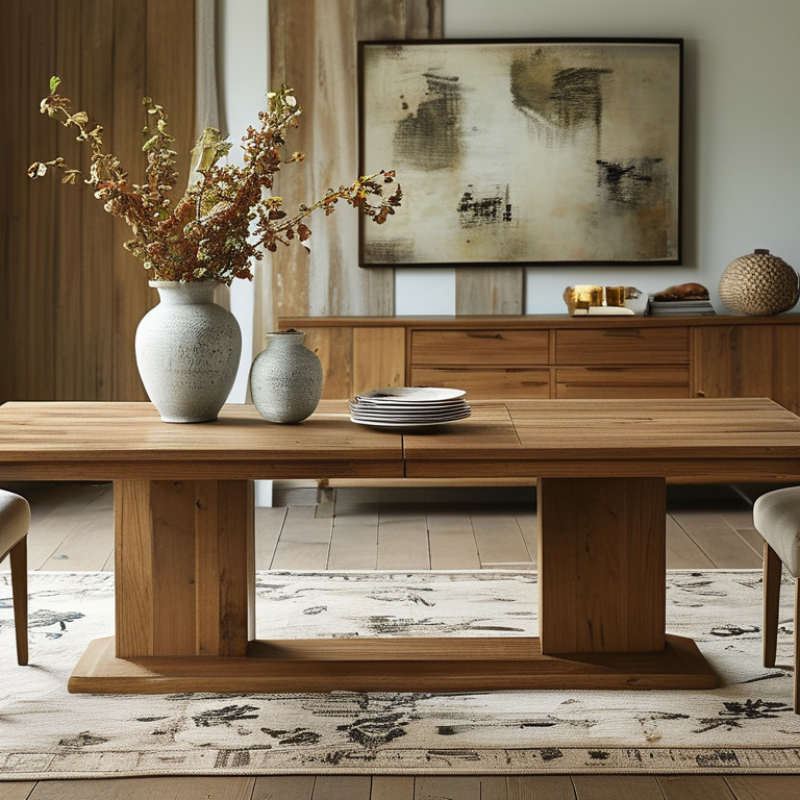
The Evolution of Dining Table Design in Modern Homes
The dining table has seen significant changes in modern homes. This piece of furniture is no longer just functional; it has become a statement of style. Designers now emphasize clean lines and open spaces. Many tables combine materials like wood and metal. This fusion creates a contemporary yet warm ambiance.
Styles vary widely. Some tables have a minimalist aesthetic. Others display intricate craftsmanship. Bold colors and unique shapes are also popular. A round table can encourage conversation, while a rectangular table can enhance a long room’s proportions. However, not every design suits all spaces. Choosing the right table requires careful thought about your home’s layout and decor.
Additionally, sustainability has become a focus. Many consumers now prefer eco-friendly materials. Vintage pieces are also sought after for their character. But, some modern designs prioritize style over practicality. A table may look stunning yet lack adequate space for dining. Homeowners should weigh aesthetics against functionality. Balancing these aspects is crucial for creating a stylish and inviting dining experience.
Key Materials Used in Contemporary Dining Tables: A Data-Driven Analysis
When exploring contemporary dining tables, key materials play a pivotal role in both design and functionality. A recent report from the Furniture Manufacturing Association highlights that wood remains the most popular choice, accounting for over 40% of the dining table market. Different types of wood, like oak and walnut, not only enhance aesthetic appeal but also provide durability. This increase in demand shows a preference for sustainable, hardwood materials, as modern consumers seek eco-friendly options.
Glass and metal are rising in popularity as well. According to a market analysis by the Design Institute, around 25% of dining tables incorporate glass, largely due to their sleek appearance and ability to create an illusion of space. However, glass tables can be challenging to maintain, often showing smudges and fingerprints. Similarly, metal frames are often incorporated for added stability, yet they can introduce a cold feel to a space if not balanced with warmer materials.
The use of mixed materials is a growing trend. Many designers are blending wood with metal or glass to achieve unique looks. A design survey found that 30% of homeowners prefer these combinations for their visual interest. Yet, coordinating these diverse materials can be difficult, as not all combinations achieve harmony. As trends evolve, understanding these key material choices is essential in selecting the perfect dining table for modern homes.
Trends in Dining Table Sizes and Shapes for 2023: What the Data Shows
In 2023, dining tables are evolving in size and shape, reflecting modern design trends. Research shows that round tables are gaining popularity, making up 35% of dining table sales this year. This shape fosters intimacy and conversation, appealing to smaller households. Meanwhile, rectangular tables remain a favorite, with 55% of consumers opting for them, particularly because they maximize space in open floor plans.
Interestingly, the average table size has seen a shift. In 2022, the most popular size was 72 inches long. Now, the trend is leaning toward tables that measure 60 inches, as they facilitate more versatile usage. A report from the American Home Furnishings Alliance emphasizes that 40% of surveyed consumers prefer smaller, more adaptable dining solutions. These changes reflect not just design preferences but also a growing need for functional spaces that cater to smaller gatherings.
Emerging materials are also changing perceptions. Tables made from reclaimed wood or sustainable materials are on the rise. About 30% of consumers now prioritize eco-friendly options. This trend highlights a shift towards sustainability, though not every table on the market meets these values. As consumers become more discerning, the challenge lies in balancing style and ethical production methods.
Top Features of Stylish Dining Tables: What Do Consumers Prefer?
When it comes to choosing dining tables, consumers seek a blend of style, function, and durability. A recent survey by the Furniture Manufacturers Association reported that 72% of individuals prioritize aesthetics in their dining room furniture. Modern homes favor clean lines and minimalist designs, which enhances the overall ambiance of the space. Materials like solid wood, glass, and metal not only add elegance but also improve product longevity.
Another significant feature consumers prefer is versatility. About 68% of buyers appreciate tables that can adapt to different settings. Extendable tables are particularly popular, as they easily accommodate guests during gatherings. The importance of color and finish cannot be overlooked. Neutral tones are favored by 55% of consumers, as they seamlessly blend with various décor styles. However, individual preferences vary, and occasional splashes of bold colors still attract many buyers looking for unique expressions.
Durability is a crucial consideration as well. Research indicates that 60% of shoppers are willing to invest more in high-quality materials. Despite this, many still express doubts about balancing cost and quality. Some consumers find it challenging to assess the longevity of design features. Such concerns drive the need for clear product information and transparent warranties to help buyers make informed choices.
Top 10 Dining Tables for Modern Homes and Stylish Spaces
Market Insights: Leading Brands in Modern Dining Tables and Their Impact
The dining table is more than just a piece of furniture; it’s a centerpiece of modern homes. According to recent market research, the global dining table market is projected to grow significantly, reaching nearly $30 billion by 2027. This growth signals a shift towards investing in high-quality, stylish pieces that reflect personal taste and lifestyle.
Leading brands play a crucial role in shaping trends in this competitive space. Many manufacturers focus on sustainability and innovative designs. For example, a survey by an industry expert highlighted that over 70% of consumers prefer eco-friendly materials when choosing furniture. However, this trend also raises questions about cost and accessibility. Some consumers struggle to find stylish yet affordable options that meet this rising demand for sustainability.
In terms of design, multifunctional dining tables are gaining popularity. They appeal to urban dwellers with limited space. Yet, while these tables are practical, they can sometimes compromise aesthetics. Users often find themselves weighing functionality against style. Balancing these aspects can be challenging, but it ultimately leads to a more personalized living experience. The evolving market reflects a diverse range of options, each with unique benefits and drawbacks.
Top 10 Dining Tables for Modern Homes and Stylish Spaces
| Model |
Material |
Size (L x W x H) |
Style |
Price Range |
| Modern Oak Table |
Solid Oak |
180 x 90 x 75 cm |
Contemporary |
$800 - $1000 |
| Industrial Style Table |
Reclaimed Wood |
200 x 100 x 75 cm |
Industrial |
$600 - $900 |
| Glass Top Dining Table |
Glass & Chrome |
160 x 80 x 75 cm |
Modern |
$500 - $700 |
| Rectangular Walnut Table |
Walnut Veneer |
240 x 100 x 75 cm |
Mid-century Modern |
$900 - $1200 |
| Round Marble Table |
Marble & Steel |
120 cm Diameter |
Elegant |
$1000 - $1500 |
| Extendable Dining Table |
Birch Wood |
150 x 90 cm (extendable) |
Flexible |
$400 - $600 |
| Modern White Table |
MDF |
180 x 90 x 75 cm |
Scandinavian |
$500 - $800 |
| Rustic Farmhouse Table |
Pine Wood |
220 x 100 x 75 cm |
Rustic |
$700 - $950 |
| Compact Bistro Table |
Metal & Wood |
80 x 80 x 75 cm |
Contemporary |
$300 - $500 |