In 2026, choosing the right cabinet means balancing storage, room size, cleaning needs, and everyday access. Closed Cabinets keep belongings out of sight, but their designs serve different purposes. A wall-mounted cabinet can free floor space in a compact bathroom, while a freestanding unit may suit a rental or a room that needs flexible storage. Pantry cabinets organize dry goods; sideboards provide concealed storage for dining essentials. The labels can overlap, so look beyond product names.
This guide compares popular types by their placement, capacity, materials, and practical features. It considers details you can check in person: whether a door clears a nearby appliance, whether shelves adjust for tall bottles, and whether a finish shows fingerprints. Small details matter. Soft-close hinges may reduce noise, but they do not compensate for weak construction or poor installation. In kitchens, sealed surfaces and sturdy shelves often matter more than a fashionable color. In living rooms, cable openings and adjustable interiors can make a cabinet more useful.
There is no universal winner. A tall unit may offer generous storage yet feel overwhelming in a narrow room; a shallow cabinet may look neat but hold less than expected. Measure the space, note what you plan to store, and confirm dimensions and care instructions with the manufacturer. Those checks are easy to skip. They are also where better choices often begin.
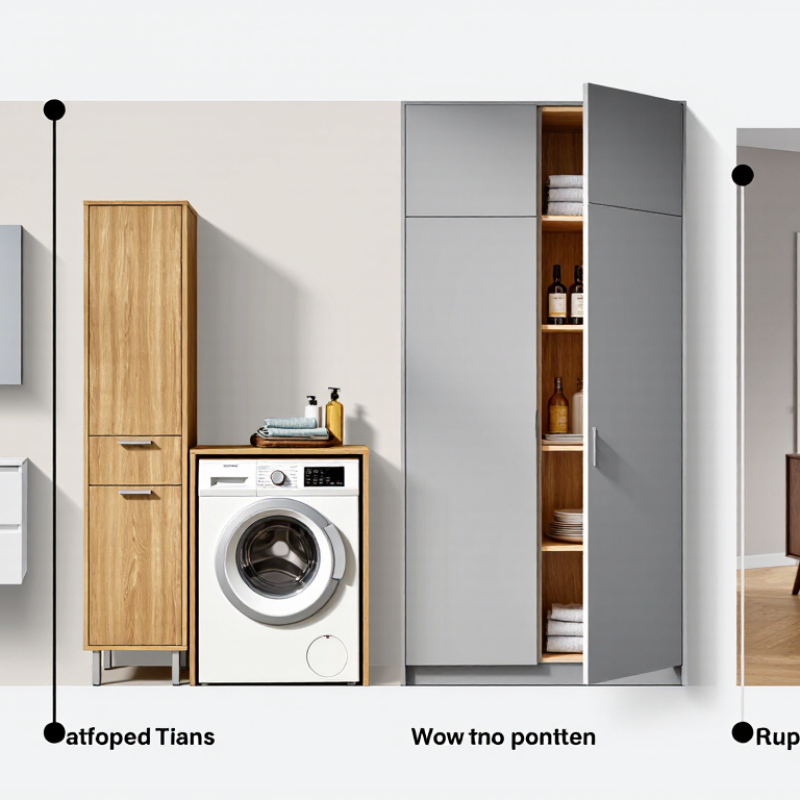
Closed cabinets are best classified by both their shape and how they meet the room. Base cabinets sit under counters and hold heavy cookware; wall cabinets keep cups visible and reachable. Tall pantry cabinets use vertical space for food and cleaning supplies.
Freestanding units can move, while built-ins align with walls or appliances for a cleaner fit. Corner cabinets add capacity, but deep shelves can hide items. Measure door swings and walking clearance before choosing.
Installation changes how a cabinet feels in daily use. Wall-mounted units expose more floor, making compact kitchens feel lighter, while floor-standing cabinets often provide simpler access and installation.
That depends on the room. Check wall structure before specifying suspended cabinets, and allow for uneven floors when fitting tall units. A flush built-in may look precise, but it can leave less flexibility when needs change.
A small detail, easily missed: handles must clear nearby walls and appliances.

Closed cabinets are commonly grouped by where they sit and what they store. Base cabinets rest on the floor and support counters, making them useful for cookware, dishes, and cleaning supplies. Wall cabinets keep everyday items within reach while freeing counter space. Tall pantry cabinets use vertical space for food, trays, or small appliances. They need careful anchoring, especially in busy kitchens.
Corner cabinets fit awkward junctions between two walls. Some use pull-out shelves; others have a simple door and deep interior. Under-sink cabinets have room for plumbing, but their storage can be irregular. Measure pipes and disposal units before choosing one. A small detail matters.
Door style also changes how a cabinet works. Hinged doors need clear space to swing open, while sliding doors suit narrow walkways. Freestanding cabinets can be moved more easily, though they may feel less integrated than built-ins. In practice, the best type depends on room dimensions, access, and the weight of stored items. I would not assume a larger cabinet is always better: deep shelves can hide supplies at the back, and that is a common source of clutter. Planning shelf heights around actual objects usually helps more than adding extra capacity.
Wall cabinets attach above the worktop, keeping plates, glasses, and spices within reach without using floor space. Their height affects comfort: frequently used items should sit low enough to reach safely, while rarely used dishes can go higher. That matters. Secure fastening is essential, especially when cabinets hold heavy cookware. A qualified installer can check wall construction and fixings before mounting them.
Base cabinets sit on the floor and support countertops, sinks, and everyday tasks. Their drawers and shelves store pots, pans, cleaning supplies, and other bulky items. A recessed toe kick gives feet room while someone works at the counter.
Tall cabinets extend from floor to near ceiling, creating vertical storage for pantry goods, trays, or a vacuum. Small kitchens benefit. Yet a tall unit can make a narrow room feel crowded or block light from a window. Measure door swings, appliance clearances, and walking space before choosing one. The neatest-looking layout is not always the most usable; a deep shelf may hide small items at the back. Consider adjustable shelves or pull-out storage, and match cabinet depth to what you actually need to store.
Specialty cabinets solve specific storage problems better than a row of standard shelves. A pull-out pantry brings cans and jars forward, so items do not disappear behind one another. Corner cabinets with rotating trays use awkward angles; narrow vertical cabinets keep baking sheets upright. For small appliances, a closed appliance garage hides cords and counterside clutter. Useful, but only when the appliance fits.
The Houzz 2024 U.S. Kitchen Trends Study reports that 76% of renovating homeowners upgraded their cabinets. That figure signals how central cabinet planning is, though it does not prove every specialty feature suits every home. In laundry rooms, tall broom cabinets hold vacuums and cleaning tools. In bathrooms, shallow linen cabinets can store towels without crowding a walkway. Measure the actual items first: a mixer needs more height than a stack of plates, and door swing matters.
Tips: Put daily-use items between waist and eye level. Check shelf depth, hinge clearance, and nearby outlets before ordering. A pull-out bin may look tidy, yet become awkward when placed far from the sink. Small details matter. Survey findings are useful context, not a substitute for measuring your own space.
Typical depths help match cabinet styles to storage needs: wall cabinets keep dishes within reach, base cabinets suit cookware, and tall pantry or linen cabinets add vertical storage. Medicine cabinets are shallow for toiletries, while corner cabinets use otherwise hard-to-reach space. Dimensions shown are representative planning examples; actual sizes vary by design and installation.
Closed cabinets differ mainly in placement, access, and the loads they support. Wall cabinets keep dishes above counters and free up floor space. Their shallow shelves make everyday items easier to reach, though heavy cookware can be awkward overhead. Base cabinets sit below counters and often use doors, drawers, or both. They suit pots and cleaning supplies, but fixed shelves may waste space around bulky objects. Less bending, too. Tall pantry cabinets offer narrow, stacked storage for dry goods and small appliances. Adjustable shelves help, while deep interiors can hide items at the back.
Freestanding cabinets can move between rooms and need no custom installation. They are useful in rentals or changing layouts, but may feel less stable if overloaded. Built-in cabinets fit wall recesses or run from floor to ceiling, creating a cleaner line and using awkward corners. Their fixed dimensions, however, leave less flexibility later. Utility cabinets usually have taller compartments for brooms, vacuums, or folded household equipment; interior hooks and reinforced shelves distinguish them from general storage units. Check door clearance, hinge strength, and shelf depth before choosing. A cabinet may look roomy in a product drawing, yet a thick door or pipe can reduce usable space. That detail is easy to miss.
| Cabinet Type | Typical Placement | Distinguishing Features | Common Uses | Useful Considerations |
|---|---|---|---|---|
| Base Cabinets | Along the floor, commonly in kitchens, bathrooms, and work areas | Supported by a base or legs; typically topped with a work surface. Available with doors, drawers, or a combination. | Storing cookware, cleaning supplies, bathroom items, and frequently used household goods | Check available floor space, countertop height, plumbing or appliance clearances, and whether drawers or shelves suit the items being stored. |
| Wall Cabinets | Mounted above counters, sinks, desks, or other work surfaces | Attached to the wall rather than resting on the floor; usually have hinged doors and fixed or adjustable shelves. | Keeping dishes, pantry goods, office supplies, or everyday items within reach while freeing floor space | Confirm wall structure and secure mounting requirements. Consider door swing, reach height, and clearance from nearby fixtures. |
| Tall Pantry Cabinets | Kitchens, utility rooms, and other areas with vertical storage space | Full-height or near-full-height cabinet form with enclosed doors; interior layouts may include shelves, drawers, or pull-out storage. | Food, small appliances, linens, and other household supplies | Measure ceiling height, doorway access, and depth. Adjustable shelves can help accommodate items of different sizes. |
| Utility or Broom Cabinets | Laundry rooms, garages, mudrooms, and cleaning closets | Often taller and deeper than general-purpose cupboards; may include a long open bay for upright tools alongside shelves. | Brooms, mops, vacuums, cleaning products, and household equipment | Check the interior height and depth for the largest item. Store chemicals safely and follow their label instructions. |
| Glass-Front Cabinets | Kitchens, dining rooms, living rooms, and display areas | Have enclosed doors with glass panels, allowing contents to remain visible while protected from dust and contact. | Displaying glassware, dishes, collectibles, or books | Choose clear, textured, or frosted glass based on visibility and privacy needs. Consider lighting, cleaning, and the weight of stored items. |
| Filing Cabinets | Home offices, workplaces, and records-storage areas | Designed around drawers rather than shelves; some models use a lock or drawer rails intended for hanging files. | Organizing documents, folders, and office records | Check drawer capacity, compatible file sizes, anti-tip guidance, and whether lockable storage is needed for sensitive paperwork. |
| Freestanding Storage Cabinets | Bedrooms, living areas, garages, workshops, and multipurpose rooms | Enclosed, movable units that stand independently; commonly feature one or more doors and adjustable or fixed shelves. | General household storage, tools, hobby materials, and supplies | Measure the footprint and access route. Secure tall units as appropriate, and check shelf load limits before storing heavy items. |
Note: Cabinet dimensions, materials, hardware, and interior configurations vary by model and installation. Measure the space and review the product specifications before selecting a cabinet.