Choosing the right Shelving Units starts with an honest look at what you need to store. A row of cookbooks, heavy toolboxes, and small pantry jars each place different demands on a shelf. Measure the wall, floor space, and tallest items before comparing styles. It sounds obvious. Yet it is easy to forget the baseboard or door swing.
Professional organizer Peter Walsh has said, “Clutter is not just the stuff on your floor. It’s anything that stands between you and the life you want to be living.” That idea applies to shelving, too: a unit should make everyday items easier to reach, not simply give clutter a new home. Consider shelf depth, spacing, material, and rated load capacity. Check the manufacturer’s specifications, and secure tall units as directed. A sturdy-looking shelf is not proof of safe capacity.
The ten tips ahead will help you compare freestanding, wall-mounted, and adjustable options. They will also cover room measurements, durability, finish, assembly, and long-term flexibility. Think about what may change: a growing book collection, different storage bins, or a move to another room. I once underestimated how much clearance a storage box needed. Annoying, but useful to remember. No single design suits every space. Use these points to narrow your choices, then confirm dimensions and installation requirements before buying.
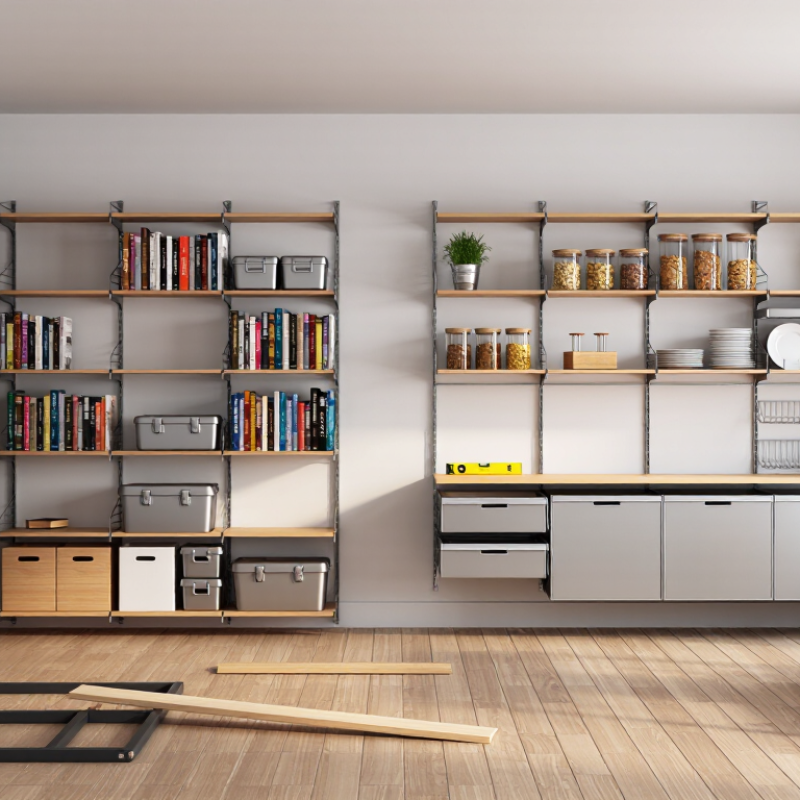
Before choosing a shelving unit, measure the space, not just the wall. Check its height, width, and depth, then account for baseboards, pipes, door swings, and nearby furniture. A shelf that fits on paper may block a closet door in real life. Leave room to walk and reach items safely. Measure twice.
Next, list what the shelves will hold. Note the dimensions and approximate weight of bulky items, storage bins, books, or tools. Check the unit’s stated capacity, and remember that weight should be spread across the shelves rather than concentrated in one spot. For bins, measure the handles and lids too; small details can prevent a frustrating fit. Heavy objects usually belong on lower shelves.
Think about access and change over time. Keep everyday items between waist and eye level, and leave higher shelves for lighter, occasional-use belongings. If the space is damp, dusty, or exposed to sunlight, those conditions may affect suitable materials and stored items. A garage corner, for example, may need different planning than a bedroom closet.
It is easy to underestimate how much clearance a full shelf needs. I sometimes forget to include the space required to lift a bin out, so that measurement deserves a second look. A rough sketch with shelf heights and walking space can reveal problems before assembly. Perfect measurements are rare; careful ones help.
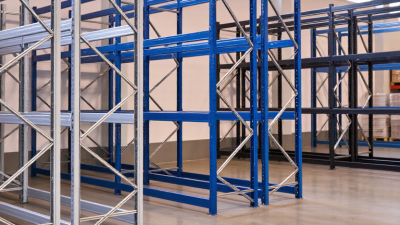
A shelf’s material matters, but its rated capacity matters more. Steel resists denting and suits garages with paint cans or toolboxes; still, thin steel can flex under concentrated loads. ASTM A36/A36M specifies a 36 ksi minimum yield strength for covered structural steel, but that figure does not establish a shelving unit’s capacity. Frame design, welds, braces, and load distribution all count. Check the unit’s stated rating and whether it applies per shelf or to the whole unit.
Wood shelves are easy to cut and can spread weight across a broad surface, yet moisture may cause swelling or sagging. Plastic resists rust and is useful near sinks, but heavy loads can creep over time. A handy test: place a loaded shelf at eye level and look for bowing. Not perfect science. For workplace storage, OSHA’s 29 CFR 1910.176(b) says safe load limits should be marked conspicuously when they exist. Don’t treat a material’s strength data as a substitute for the finished unit’s tested rating.
Compare ratings under similar conditions: evenly distributed loads are not the same as a heavy object resting on one small corner. ANSI MH16.1 provides design criteria for steel storage racks, but household shelving may fall outside its scope. Ask for the applicable test standard, maximum load per shelf, and required anchoring. A wall-mounted unit can fail at its fasteners before its shelves fail. That detail is easy to overlook.
Bars show the midpoint of broad, approximate per-shelf capacity ranges: steel 100–300 kg, solid wood 25–100 kg, engineered wood 15–50 kg, and plastic 10–45 kg. Actual capacity depends on the unit’s design, span, supports, and load distribution. Always follow the manufacturer’s rating.
Choosing shelving starts with the space, not the style. Measure wall width, ceiling height, and floor depth, then check baseboards, door swings, and the route into the room. A unit that fits the wall may still block a doorway. Measure twice. Leave room to reach items without twisting around a corner.
Match shelf spacing to what you store. Tall cereal canisters and binders need different clearances from folded towels or small bins. Adjustable shelves help when needs change, but check the adjustment increments and the stated load limit for each shelf. The ANSI/BIFMA X5.9 standard covers testing of office storage units; it can inform commercial-unit comparisons, but it does not certify every household shelf. Look for clear assembly and anchoring instructions, too.
Stability deserves attention, especially with children at home. The U.S. Consumer Product Safety Commission’s 2022 tip-over report estimated 22,500 emergency-department-treated injuries related to tip-overs involving furniture, televisions, and appliances. That figure covers several product types, not shelving alone. Still, it is a practical reason to check whether a unit can be secured to a wall. Style matters, but an open frame may collect dust, while closed sides can make narrow rooms feel heavier. I would not trust a quick glance at a product photo; compare its actual dimensions and usable shelf depth.
Before buying, compare the unit’s dimensions with the room and the route it must travel. Check ceiling height, doorway width, and the space needed to assemble it safely. Read the installation instructions before choosing a location. Some units need wall anchors, while others require a firm, level floor. Small detail, big difference. Identify your wall type and locate studs before drilling; use fasteners suited to the wall and the unit’s instructions. A hollow-wall anchor may not provide enough support for a heavily loaded shelf.
During assembly, place parts on cardboard to protect both the floor and the finish. Keep locking pins, cross-braces, and anti-tip hardware in place; these features help prevent shifting or tipping. Do not assume a shelf’s weight rating applies to the whole unit. Check both limits, then spread heavy items across lower shelves. For tall units, secure the frame as directed, especially in homes with children or pets. I once thought a slightly uneven floor was harmless. It was not: the frame rocked when weight went on one side. Recheck the unit with a level, tighten connections after assembly, and leave clear access to doors, vents, and walkways.
The sticker price is only one part of a shelving unit’s cost. Compare the total ownership cost, including delivery, assembly, replacement parts, and any wall anchors needed for safety. A steel unit may cost more upfront but handle damp garages better than untreated wood. A lightweight option can suit a closet, though repeated moves may loosen its joints. Check the load rating, and remember that evenly distributed boxes are safer than one heavy box on a single shelf. That detail matters.
Maintenance needs vary with the room. In a pantry, wipeable surfaces make spills easier to clean; in a workshop, dust can collect around brackets and fasteners. Look for finishes that resist rust if shelves will sit near moisture. Adjustable parts should be easy to inspect and tighten. A common misjudgment is to focus on cleaning alone. Stability deserves attention too, especially when children or pets use the space.
Think about how the room may change. Units with adjustable shelf heights can accommodate tall containers later, while modular designs may expand without replacing the original frame. Still, flexibility has limits: unusual dimensions or proprietary connectors can make additions difficult to find. Measure the items you store now, then leave room for a few likely changes. A shelf that fits today’s bins perfectly may feel cramped after a simple change in household routines.
Cost figures are approximate U.S. retail ranges for a typical unit or section, before tax, delivery, and installation. Prices and load limits vary by size, material, construction, and seller. Always follow the manufacturer’s stated capacity and installation instructions.
| # | Tip and Shelving Type | Typical Upfront Cost (USD) | Maintenance Needs | Long-Term Flexibility | Often Suited To |
|---|---|---|---|---|---|
| 1 | Choose wire shelving for airflow. Open shelves allow air to circulate and make contents easy to see. | $40–$150 per 4- or 5-tier unit | Wipe regularly; check connectors and level the unit if it shifts. Small objects may need shelf liners. | Usually good: many systems allow shelf-height adjustments and add-on components. | Pantries, closets, laundry rooms, and general storage |
| 2 | Consider boltless steel shelving for adjustable storage. Its shelves commonly fit into slotted frames without conventional nuts and bolts. | $50–$200 per 4- or 5-tier unit | Inspect joints and keep the unit dry to reduce corrosion risk; avoid overloading shelves. | Good: shelf positions can often be changed, and units may be extended with compatible parts. | Garages, utility rooms, and stockrooms |
| 3 | Use rivet shelving when bulky items need sturdy support. The assembled frame is generally more substantial than lightweight household shelving. | $80–$300 per unit | Check that beams are seated securely and inspect for damage, especially after moving the unit. | Moderate to good: levels are often adjustable, though the unit can be difficult to relocate once loaded. | Workshops, storerooms, and heavier household storage |
| 4 | Pick wood shelving for appearance and solid surfaces. Wood shelves provide a continuous surface for books and smaller items. | $80–$400 per bookcase or shelving unit | Dust and clean with material-appropriate products; protect from prolonged dampness and check for sagging under heavy loads. | Low to moderate: fixed shelves are less adaptable, while adjustable models offer more options. | Living rooms, offices, and display areas |
| 5 | Choose plastic shelving for lightweight, moisture-prone areas. Plastic is easy to clean and does not rust, but capacity varies considerably. | $25–$100 per 4- or 5-tier unit | Wash with mild soap and water; avoid exceeding the rated load or exposing the unit to unsuitable heat or sunlight. | Moderate: lightweight units are easy to reposition, but many have limited accessory options. | Bathrooms, laundry areas, sheds, and light-duty storage |
| 6 | Match garage shelving to the actual load. Heavy-duty steel models are available, but appearance alone does not indicate capacity. | $100–$500 per unit | Keep metal surfaces dry, inspect for rust or loose connections, and distribute weight as instructed. | Moderate: adjustable levels are common, but large units may be cumbersome to move. | Tools, bins, and other heavier garage items |
| 7 | Use wall-mounted shelving when floor space is limited. Secure the system to suitable framing or masonry using the specified fixings. | $50–$250 per short section, excluding installation | Check brackets and fixings periodically; installation and safe loading depend on the wall structure. | Good if the track system supports repositioning; less flexible if the layout depends on fixed brackets. | Small rooms, workshops, and laundry areas |
| 8 | Consider stainless steel for frequent cleaning or demanding environments. It resists corrosion better than ordinary steel, but grade and exposure matter. | $150–$700 per unit | Clean regularly and use products suitable for the steel grade; avoid harsh chemicals that may damage the finish. | Moderate: durable units can remain useful for years, though sizes and configurations may be specialized. | Food-preparation areas, laboratories, and damp utility spaces |
| 9 | Choose mobile shelving only when mobility is useful. Locking casters help keep a cart stationary during use. | $50–$250 per cart or compact unit | Keep wheels clean, check locks and fasteners, and observe any load limits for both shelves and casters. | High for changing work areas; less suitable where a fixed, high-capacity installation is needed. | Flexible workspaces, kitchens, and shared storage areas |
| 10 | Plan for expansion before buying. Check whether extra shelves, uprights, or compatible units are available for the system you select. | $100–$600 for a modular starter setup | Follow the system’s assembly and inspection guidance; confirm that replacement parts remain compatible. | High when components are designed to expand or reconfigure; verify compatibility before adding parts. | Growing households, evolving offices, and changing inventory needs |