What Are Office Supplies A Global Buyers Guide
Office Supplies support nearly every workplace, from a pencil beside a meeting notebook to toner cartridges serving a busy print room. Yet global purchasing involves more than comparing prices. Buyers must assess product quality, supplier reliability, shipping conditions, storage needs, and regional requirements. A low-cost box of folders may become expensive when weak hinges fail during daily use.
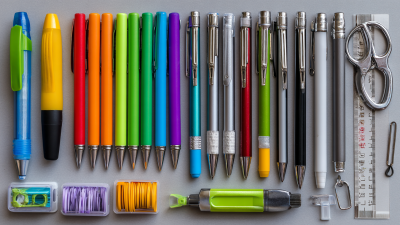
This guide explains what Office Supplies include and how professional buyers can evaluate them. It covers writing tools, paper products, filing systems, desk equipment, presentation materials, and selected workplace technology accessories. Each category deserves practical attention. Check dimensions, materials, packaging, warranty terms, and replacement availability. Confirm whether suppliers provide clear specifications and consistent product samples. Small details matter.
Global procurement also requires responsible judgment. Buyers should review import documentation, environmental claims, data-security features, and applicable safety standards in each destination market. Sustainable choices may include recycled paper, refillable pens, durable organizers, and consolidated shipments. However, “green” labels are not always equally reliable. Ask for evidence. Keep records. Reconsider assumptions.
No guide fits every office.
Local habits influence demand. A humid warehouse may require moisture-resistant packaging, while a remote team may need fewer filing products and more ergonomic accessories. Currency changes, delivery delays, and supplier shortages can also affect decisions. Our framework is practical, but not flawless. Real purchasing experience should test it against budgets, user feedback, and changing workplace conditions. With careful comparison, buyers can build dependable Office Supplies programs that support productivity, compliance, and long-term value.
What Counts as Office Supplies? ISO 216 A4 and HS Product Classes
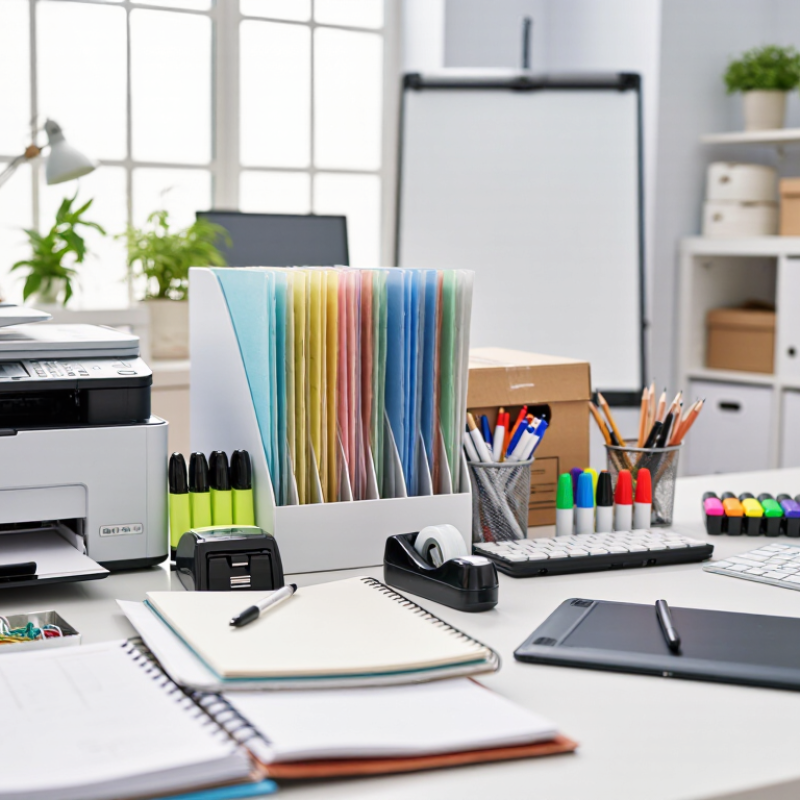
Office supplies cover the everyday tools that keep administrative work moving: paper, folders, envelopes, writing instruments, staplers, labels, and desk organizers. The category is practical, but not always simple. A4 paper measures 210 × 297 millimetres under ISO 216, making it the common reference for documents, printers, and filing systems. Reams may also differ by weight, brightness, coating, and recycled content. These details affect purchasing decisions.
HS product classes add another layer. “Office supplies” is not usually one universal HS category. Paper products, plastic organizers, metal filing items, and writing tools may fall under different headings. The correct classification depends on the product’s material, function, construction, and packaging. Customs treatment can also vary by country. Experienced buyers should check the current tariff schedule and confirm the code with a qualified customs professional before shipping.
Tips: Record the product name, dimensions, material, intended use, and packing format. Photograph the carton label and keep the supplier specification sheet. A folder made mainly from paper may classify differently from a plastic folder, even when both serve the same purpose. Small assumptions cause delays. I have found that product descriptions are often too vague, so reviewing them twice is worthwhile. Classification is not perfectly tidy. Careful records make the uncertainty manageable.
Core Categories: Paper, Writing Tools, Filing, Storage, and Desk Equipment
What Are Office Supplies: A Global Buyer’s Guide
Paper, writing tools, filing, storage, and desk equipment form the working core of office procurement. FAO forestry statistics reported global paper and paperboard production above 400 million tonnes in 2023. That scale makes paper specifications important. Buyers should check recycled content, sheet brightness, thickness, moisture resistance, and packaging protection. A low price can hide frequent jams, damaged cartons, or excessive waste. Paper is not always interchangeable.
Writing tools should match the task.
Fine-point pens suit forms, while broader tips support quick notes. Pencil hardness, ink drying time, and refill availability also affect total cost. Filing products need accurate dimensions and durable closures. Storage units should support safe access, stable stacking, and practical labeling.
According to a 2024 Grand View Research assessment, the global office supplies market was valued at approximately 146 billion US dollars in 2023. Demand is broad, but purchasing habits remain uneven across regions.
Desk equipment deserves equal attention. Monitor stands, cable organizers, task lighting, and document trays can reduce clutter and improve reach.
Ergonomic choices should follow real user measurements, not fashionable assumptions. I have seen buyers over-specify appearance and under-check repairability. That mistake becomes expensive.
Reported sustainability claims also require verification through supplier documentation, testing records, and clear product standards.
Paper Specifications: GSM, Recycled Content, and EPA 30% Fiber Criteria
Paper specifications shape how office supplies perform, ship, and support environmental purchasing. GSM means grams per square meter. It measures paper weight, not thickness alone. An 80 GSM sheet usually suits everyday copying and internal notes. A 120 GSM sheet feels sturdier and reduces show-through. Too light for photographs.
In procurement, I check the paper’s declared GSM against the intended machine. Some printers handle heavier stock poorly, especially near the manual-feed limit. Recycled content also needs careful reading. “Recycled” may include pre-consumer fiber, post-consumer fiber, or both. Ask for the percentage of each type. Do not confuse the terms. Post-consumer fiber comes from used products collected after consumer use.
For many EPA purchasing criteria, office paper should contain at least 30% post-consumer recycled fiber. Buyers should verify the current requirement and request supporting documentation. A supplier’s declaration, product specification sheet, or independent certification can improve reliability. Keep records.
I once selected attractive recycled paper without checking its moisture behavior. It curled slightly in a warm office. That mistake was avoidable. Test a small pack before a large order. Print dense text, duplex pages, and a few color charts. Check feeding, opacity, edge curl, and handwritten notes. Environmental claims matter, but practical performance matters too.
Office Paper Specifications: GSM, Recycled Content, and EPA 30% Fiber Criteria
GSM measures paper weight in grams per square metre. Recycled content is shown as postconsumer fiber, while the EPA procurement benchmark for uncoated printing and writing paper is at least 30% postconsumer fiber.
GSM
Higher GSM generally indicates heavier and thicker paper. Typical office copy paper is commonly around 70–90 GSM.
Postconsumer Fiber
This percentage represents fiber recovered from consumer-used paper and incorporated into new paper.
EPA 30% Criterion
For covered federal purchasing categories, the EPA benchmark is a minimum of 30% postconsumer fiber for uncoated printing and writing paper.
The chart uses representative specification profiles for office paper. Actual GSM and recycled-fiber percentages vary by product and intended use.
Buying Standards: MOQ, Lead Times, Incoterms, and Total Landed Cost
What Are Office Supplies? A Global Buyer’s Guide
Buying office supplies globally requires more than comparing unit prices. Set a practical MOQ that matches monthly usage, storage space, and cash flow. A carton of 2,000 notebooks may reduce cost, but it can occupy valuable warehouse space for months. Small trial orders often reveal paper quality, packaging weaknesses, and labeling errors before larger commitments.
Lead times should include production, inspection, port handling, customs, and inland delivery. The World Bank’s 2023 Logistics Performance Index surveyed 4,090 logistics professionals across 139 economies, highlighting major differences in shipment reliability. Build a buffer of 10–15% for seasonal demand or port delays. Confirm whether the quoted Incoterm covers freight, insurance, unloading, and import clearance. Under Incoterms 2020, responsibilities differ sharply between EXW, FOB, CIF, and DDP. The cheapest quote may simply move costs elsewhere.
Tips: Request a landed-cost worksheet, not only a product quotation. Add unit price, tooling, sampling, freight, duties, insurance, inspection, storage, and payment fees. UNCTAD reports that maritime shipping carries over 80% of global merchandise trade by volume, so ocean freight can strongly affect final cost. Ask suppliers for carton dimensions and shipping weights. Then test the calculation against one real shipment. Mistakes happen. My own procurement reviews often found that “low-cost” orders became expensive after port charges and slow-moving inventory were included. Recheck every assumption.